Proud owner of Shakespeare’s First Folio
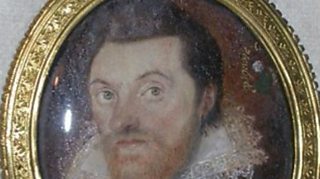
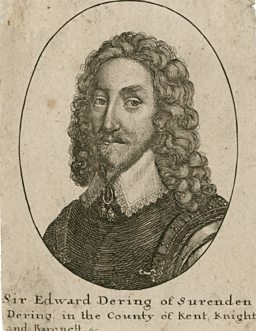
In his own lifetime Sir Edward Dering (1598-1644) was well known for many things – politics, a grand family home at Surrenden Hall in Kent (now largely lost) and his passion for the theatre.
But today he’s remembered for being one of the earliest known owners of the first published collection of Shakespeare’s dramas. In fact, he bought not one but two copies of these First Folios, paying the princely sum of two pounds for them in 1623.
![]()
Much ado near me
Hear more Shakespeare stories on BBC Radio Kent
![]()
Shakespeare Festival 2016
The BBC celebrates the genius of the bard


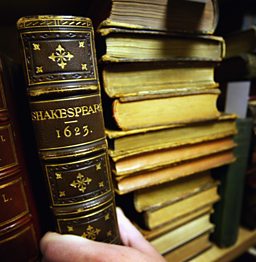
Dering’s household account books also include numerous payments for visits to the theatre and the purchase of playbooks from the day.
This Kentish baronet was one of the first to adapt Shakespeare’s work – for example, producing a conflated version of some of the history plays such as Henry IV
And yet Dering went even further. For this Kentish baronet was one of the first to adapt Shakespeare’s work, producing a conflated version of some of the history plays such as Henry IV, an adaptation which still survives today in the Folger Shakespeare Library in Washington DC.
It’s possible that Dering made this adaptation in order to allow a performance of the play at Surrenden House, making this one of the first if not the first record of Shakespeare’s plays being performed by an amateur cast.
There is certainly other evidence of Dering organising private theatricals in this period, involving members of his family and household as performers. There is a surviving cast list for a planned performance of John Fletcher’s The Spanish Curate (c.1622), for example, which lists several members of the Dering family, as well as the humbler figure of ‘Iack of ye buttery’.
Evidence that Dering planned a similar performance of Shakespeare’s Henry IV plays, perhaps as adapted by him, is found in his accounts for 1622-23 which include an intriguing payment to a Mr Carrington for ‘writing oute ye play of King Henry ye fourth’, as well as another payment for ‘heads of haire and beardes’, presumably for a performance.
This example shows how Shakespeare’s plays continued to live on after his death, on and off-stage and beyond as well as within the world of the London theatres.
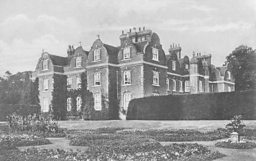
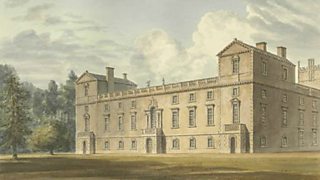
Surrenden House © England's Lost Country Houses
![]()
Shakespeare Lives
The nation’s greatest performing arts institutions mark 400 years since the Bard's death

Related Links
Edward Dering's recordings
Hear more from the collector's diary entries
Shakespeare on Tour: Around Kent
![]()
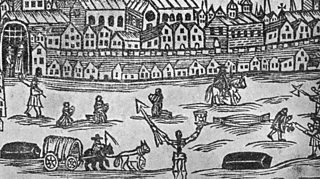
Touring Kent to avoid the plague in London
Shakespeare's Lord Strange’s Men perform in Kent
![]()
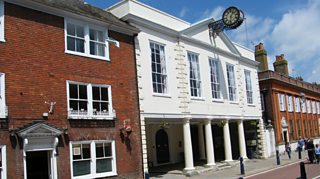
‘Wherefore to Dover?’
Dover, Faversham and the 1597 tour
![]()
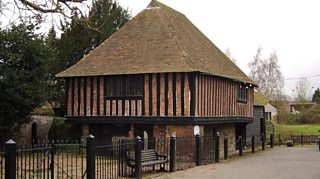
A rare example of a surviving Shakespearean venue
Likely to have staged a Shakespeare play during the dramatist’s own lifetime
![]()
Small towns big on Shakespeare
How Shakespeare's company visited the smallest towns
![]()
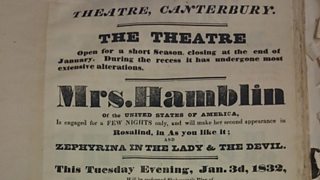
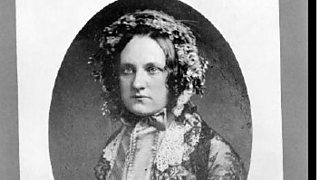
Mrs Hamblin - A woman scorned
The tumultuous private life of a famous American actress
![]()
Dover Theatre and Miss Davenport
'The juvenile actress of the day'
Shakespeare on Tour: Around the country
![]()
Whitby, wealth and a Shakespearean bachelor night
The Bachelors of Whitby sponsor a performance of Merchant Of Venice
![]()
A new king and rebranded Shakespeare’s players head first for Shrewsbury
James I established the ‘King’s Men’ as his official group of theatre players
![]()
Shakespeare's men perform before the King at Wilton in Salisbury
A royal audience in Salisbury
![]()
Caludon Castle: Did Shakespeare perform here for ‘Henry the Harmless’?
Was Shakespeare there during the 1593 'Plague Tour'?