Architecture is the best medicine: The story of Maggie’s
4 November 2016
Maggie’s Centres unite the world’s top architects in their mission to care for people living with cancer. Ahead of a new BBC Two documentary, Maggie's friends and collaborators remember the woman who started it all.
Exclusive: Architecture for life and death
Frank Gehry, Norman Foster, Richard Rogers on the humane architecture of Maggie’s Centres
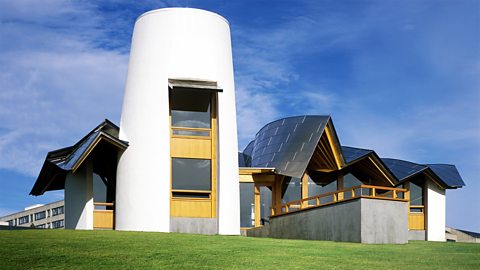
Maggie's Dundee, designed by Frank Gehry; photo courtesy of Maggie's
In 1993, Maggie Keswick Jencks was sitting in a hospital corridor. After years of battling breast cancer, she had just been told she had only a few months left to live.
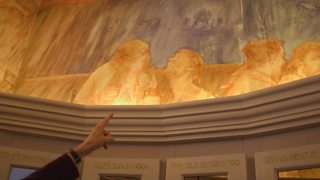
People were saying it's like getting an Oscar, getting a commission from Maggie'sCharles Jencks, Maggie’s co-founder
Rather than resign herself to her fate, this experience inspired her: patients in her condition needed a humane, non-clinical space that they could feel comfortable in, where they could be kept as informed as possible, where they could meet and support other people going through cancer.
They should not go through this ordeal sitting in a hospital corridor. And so, the concept of ‘Maggie’s Centres’ was born.
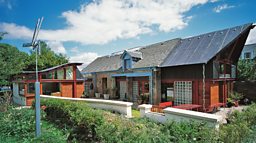
With her husband Charles Jencks, Maggie founded the charity and set about transforming an abandoned stable block near her hospital into a safe haven for cancer patients, working with architect Richard Murphy to ensure its design was nothing like the cold, institutional environment Maggie had found herself in.
Sadly, Maggie died before the building was completed; but Charles and their friends pursued her vision and the first centre, Maggie’s Edinburgh, opened in November 1996.
It was very well received; over a thousand people made use of the building and its support staff during the first year of operation, and soon other hospitals were asking for a Maggie’s of their own. Centres were soon planned for Glasgow and Dundee, and it was this Dundee building that would be the game-changer.
Maggie and Charles Jencks were very well known in the world of architecture, and it so happened that Frank Gehry, designer of world-renowned buildings such as the Guggenheim Museum in Bilbao, was a close personal friend of theirs. It was this love for Maggie that brought the legendary architect to build a small cancer centre in Scotland - his first UK building.
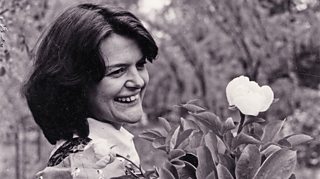
Above all what matters is not to lose the joy of living in the fear of dying.Maggie Keswick Jencks
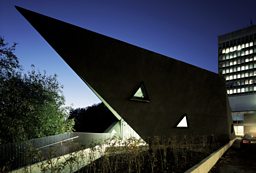
Maggie’s Dundee, with its crinkled roof and lighthouse, was so iconic that suddenly the world’s top architects took notice. Prominent figures including Zaha Hadid, Richard Rogers and Norman Foster would go on to design centres of their own, and for many being ‘in the club’ of Maggie’s architects was considered highly prestigious.
Maggie’s Dundee, with its crinkled roof and lighthouse, was so iconic that suddenly the world’s top architects took notice
Now in their twentieth year, Maggie’s is about to open its twentieth centre and have spread beyond Scotland to the rest of the UK and abroad, with another Frank Gehry building in Hong Kong, and more planned.
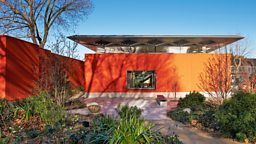
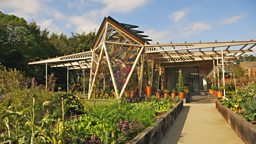
Each centre is unique and some are incredibly distinctive, but all stick to the ideals of the architectural brief, focussing on creating domestic environments where people can feel safe and supported, and making life with cancer a little more bearable.
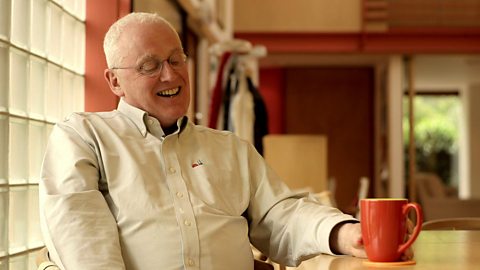
Exclusive: The building that started it all
Richard Murphy, architect of the first Maggie’s centre, reflects on progress
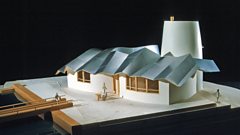
Gallery: Frank Gehry Models
On TV: Building Hope
The fascinating story of Maggie's, a unique cancer charity which began life in Edinburgh in 1996. The programme features interviews with world renowned architects Frank Gehry, Richard Rogers and Norman Foster.

More architecture from BBC Arts
![]()
St Peter's Seminary
A new life for Scotland's greatest modernist ruin.
![]()
Ahead of the curve.
A film tribute to the late Zaha Hadid.
![]()
Altar-ed images
Peter Marlow on photographing all 42 of England's cathedrals.
![]()
Eye for architecture
The RIBA archive in pictures.
![]()
Dream Builders
Razia Iqbal's series of interviews with top architects including Norman Foster, Zaha Hadid and David Adjaye.
![]()
The concrete truth?
Brutalism can be beautiful.
More from BBC Arts
![]()
Picasso’s ex-factor
Who are the six women who shaped his life and work?
![]()
Quiz: Picasso or pixel?
Can you separate the AI fakes from genuine paintings by Pablo Picasso?
![]()
Frida: Fiery, fierce and passionate
The extraordinary life of Mexican artist Frida Kahlo, in her own words
![]()
Proms 2023: The best bits
From Yuja Wang to Northern Soul, handpicked stand-out moments from this year's Proms