The power of the Nile
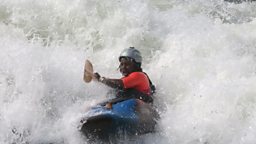
In Jinja, Uganda there is a very healthy respect for the power of the water.
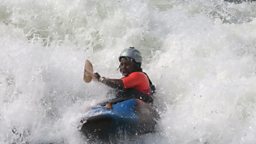
One of the most engaging aspects of filming along the Nile’s great length was discovering quite how many different emotions its waters evoke from those living along its banks. In Jinja, Uganda there is a very healthy respect for the power of the water. People have been washed away and killed by the Nile’s ruthless rapids. Children are told stories of monsters to keep them away from the water’s edge.
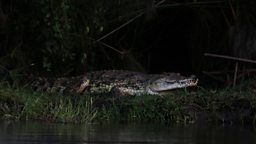
But north of these rapids, the fear of the water is due to more tangible monsters. Huge, man eating Crocodiles. In Murchison Falls National Park, villagers make daily trips to the Nile to get water for washing and cooking. But every time they do so, they are at risk from the incredibly large reptiles that lurk in the water.
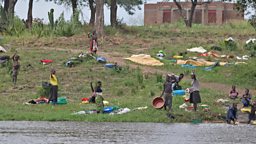
In Africa, it is estimated that 200 people a year get taken by Nile crocodiles
In fact, this park is where many of the large man eating crocodiles from around Uganda have been relocated. This really is not a place you want to be in the water. In Africa, it is estimated that 200 people a year get taken by Nile crocodiles – but many of the locals think the number may be much higher than this.
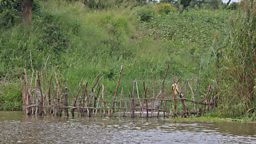
In some areas, crocodile barriers have been built, to allow villagers to wash and collect water safely. However, these barriers need constant maintaining to stop wood rotting, and where this doesn’t happen, gaps can form in the wood and there are stories of crocodiles entering and not being able to get out – transforming it into a deadly crocodile cage.
Some believe that this is the River Ghion – the legendary river which flowed out from the Garden of Eden
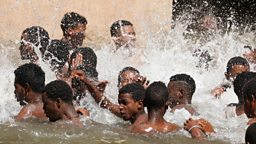
In the upper reaches of the Blue Nile in Ethiopia, the people have a sacred relationship with the water. Some believe that this is the River Ghion – the legendary river which flowed out from the Garden of Eden, in the biblical book of Genesis. There is less fear of furious rapids and man eating reptiles – instead the fear here is when and if the annual flood of the Blue Nile will appear. Some years, the monsoon rain does not overflow the Nile’s banks and the oasis becomes arid – and starvation hits.
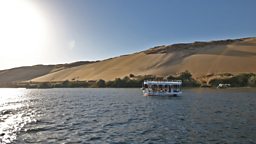
Then there’s Egypt, where there seemed to be more of a worry about the future of the Nile’s water. Sitting at the very end of the Nile’s epic voyage – Egypt is the country that is most at the mercy of events happening upstream.
But despite the fact that the river means different things to different people, what is a uniting factor is how important the Nile is. A resource that flows through five countries – this gives it the possibility to unite and divide. And today, it is certainly not a river without its problems. Pollution, the changing global climate and an increasing demand on its waters are all impacting it. With so many different countries sharing the same life giving resource –navigating the Nile’s future is not going to be without challenges, but for so many it’s vital these are overcome.
And today, it is certainly not a river without its problems.
By Lydia Baines, Producer