Giles Clark: A personal view
In an ideal world all thirty-eight species of cats would live free from threat in the wild. Sadly, we don’t live in an ideal world and now a staggering eighty percent of these iconic and much loved predators are considered to be endangered. Experts believe that we could see mass extinctions of big cats within 10 years unless something is done about it. I would go further and describe many felines as now clinging on by their claws.
Experts believe that we could see mass extinctions of big cats within 10 yearsGiles Clark
For the last twenty years I have lived and worked with cats in captivity and with them around the world. I believe they and the animals that share their habitat deserve a place on our planet. I urge us all to do whatever we can think of to help secure a future for them.
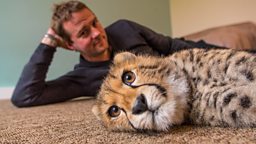
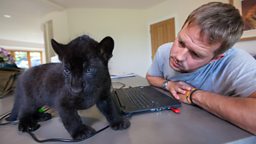
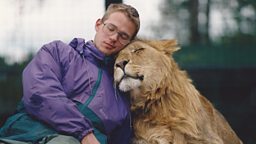
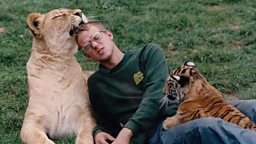
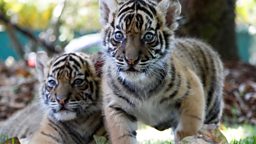
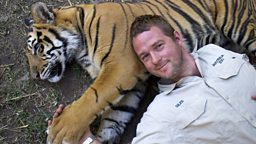
We have fifty cats at the Big Cat Sanctuary. They are either part of international breeding programmes, have been rescued from dire conditions, or are considered to be retired and are here to live out their days. They were all born in captivity and as such will never be released into the wild.
Our ambition is to grant them the best life possibleGiles Clark
Our ambition is to grant them the best life possible and as we are not a traditional zoo we don’t have lots of members of the public on site at any one time. Visitors can pay to come to the sanctuary on carefully managed tours and we prefer to keep numbers limited. These visits allow our cats to play an important ambassadorial role, helping to raise awareness and funds for the sanctuary, as well as helping us support conservation projects around the world.
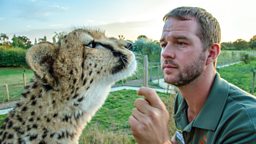
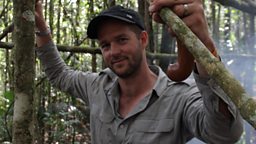
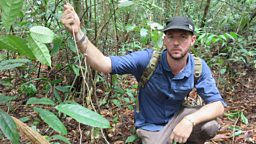
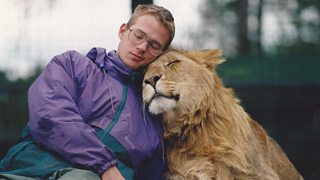
Throughout my career and at most places I’ve worked, there has been a hands-on policy with the cats, including the cubs I’ve raised meaning I could interact with them daily. In the UK it’s not permitted by law or considered best practice to maintain contact with big cats after they reach twelve months of age, as such we wouldn’t go in with any of our biggest guys here at the sanctuary.
We try to make sure all our cats are as comfortable as possible in the company of their keepersGiles Clark
That said, we try to make sure all our cats are as comfortable as possible in the company of their keepers and we aim to provide positive stimulation for them through enrichment, training, food and play. It’s a fact that these guys will spend all their lives in a captive environment and so I want them to feel relaxed when keepers clean out their enclosures or if we need to do routine medical checks.
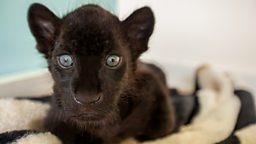
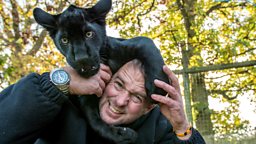
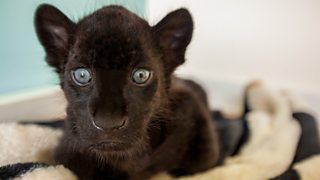
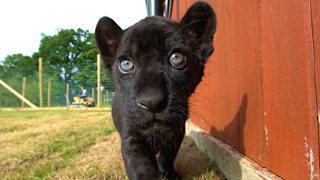
Maya is a black jaguar. She arrived at the centre when she was five days old after being neglected by her mother. She was weak and vulnerable and we took the decision to take her in and to give her the best possible start. Without intervention she may not have lived.
She arrived at the centre when she was five days old. Without intervention she may not have lived.Giles Clark
In her first few months she needed care around the clock so I took her home, but now she is eight months old, is a rambunctious and loveable character and has settled into life at the sanctuary. For me raising Maya has been hard work, a team effort and you can never underestimate the commitment it takes, but it’s a privilege nonetheless to be up close to a developing jaguar and witness her wild instincts emerging first hand.
Maya is a powerful predator and I never take her abilities for granted. Her future is bright at the sanctuary and very soon she will be moving into a brand new enclosure. I hope that she helps to inspire a generation of people that will want to help protect her cousins in the wild.
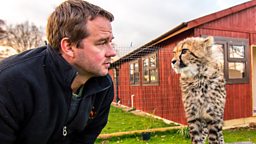
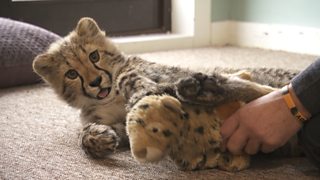
Willow is a young cheetah. She came to us because we have a good relationship with the wildlife park where she was born. In the wild, cheetahs are rapidly running into trouble and year on year we are seeing their numbers fall due to conflict with people and the illegal wildlife trade.
There are only around 7,000 wild cheetahs today after a 90% decline in the 20th century. They've lost almost 80% of their range in Africa.Giles Clark
Willow is now living in a large cheetah enclosure at the sanctuary and she’s a welcome addition to our other cheetahs. It’s very normal when a young animal is moved for them to feel nervous but Willow is very happy here, especially when playing with her fluffy toys. Hopefully, having a bright and spirited cheetah at our sanctuary will allow people to see that they are a species worth fighting for.
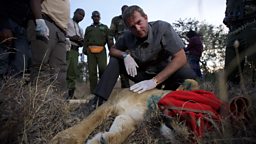
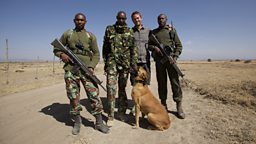
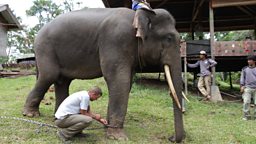
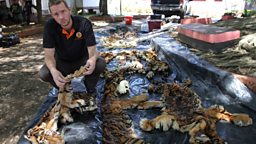
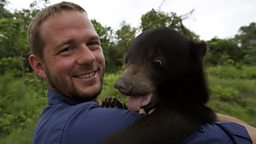
Throughout my career I have supported and will continue to support in-situ conservation projects, working with scientists and local people in the countries where cats still exist in the wild.
Animals don’t have the luxury of timeGiles Clark
For me, it’s not just about resources, money can fix some problems, but long term solutions demand deep and meaningful relationships. In my view, the rangers and conservationists on the ground are the true wildlife heroes. I’m often questioned over my work with cats, my proximity to them and the zoo industry as a whole. There should be debate; we aren’t immune from robust conversations and I believe there are multiple ways we can make a difference. But I often think animals don’t have the luxury of time. They cannot wait for us to calibrate our moral compasses and surely we should all be doing something, anything, to help shape a world that we can be proud of and one where cats firmly have a future.