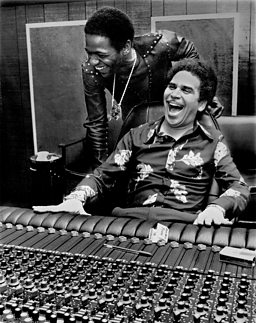
Sound of Song: Reeling and rocking
22 January 2015
Composer and musician NEIL BRAND's series Sound of Song explores the developments in music that contributed to our favourite songs. Here, Neil writes exclusively for BBC Arts on the sounds of Frank Sinatra, Elvis Presley and Al Green, and the growth of a new creative personality in the studio - the producer.
Without magnetic tape, developed and used semi-secretly in 1930s Germany before anybody else really knew what it was, we could not have had so many of the quantum leaps in the pop explosion of the '50s and '60s - slapback echo, low-noise recording, split-second editing or multi-tracking.
If I had to single out one experience I've had during the making of this documentary it has to be the opportunity to record at the legendary Sun Studio in Memphis.
And instantly, we had that authentic '50s sound...
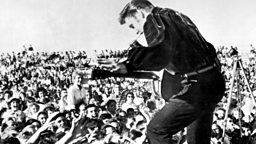
Playing rock-n-roll piano with ex-Johnny Cash bassist Dave Reeve on vocals and rockabilly Hall of Fame drummer JM van Eaton, we recorded the Elvis hit That's Alright Mama, first recorded by The King in that same room on July 5th 1954.
We recorded as he would have done, single complete takes (three in all) into one mike in the centre of the trio, straight onto mono tape - but then engineer Matt Ross Spang put Dave's vocal through the same magical process that Sam Phillips had put Elvis's - tape echo, known as Slapback, which gave a single repeat to the voice less than a second after the original.
And instantly, we had that authentic '50s sound...
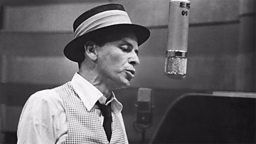
While '50s youngsters created their own musical language making and buying rock-n-roll 45 rpm singles, old-style crooners like Frank Sinatra discovered that the future lay in putting swing into old favourites from the pre-war years.
With a genius like Nelson Riddle to arrange these standards to frame Frank's voice to perfection, 33rpm albums that played 20 minutes or more a side and mikes that could record a much wider dynamic range than ever before, Sinatra's records brought near-symphonic sophistication to jazz.
Exclusive on Sinatra
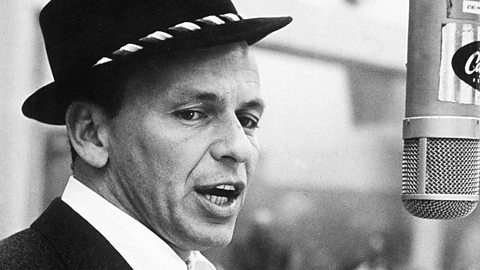
Sinatra's sound at Capitol Records Tower
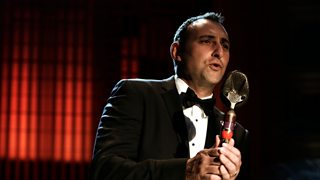
Microphone magic, and how Sinatra's version of I've Got You Under My Skin was arranged
The ability to manipulate music once it was recorded, however, resulted in the growth of a new creative personality in the Sound of Song - the producer.
It was even possible to create a song using fragments of tape
Jerry Lieber and Mike Stoller, creators of Hound Dog, Stand by Me, On Broadway and Jailhouse Rock were eager to be their own producers and retain tight control on how their songs were recorded - and in the making of There Goes My Baby, by the Drifters, sparked a new, richly woven and heavily reverberative sound which would massively influence a certain Phil Spector.
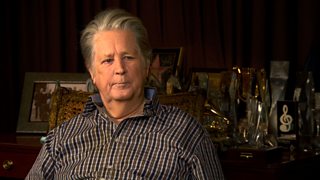
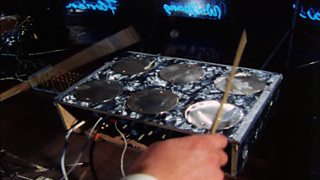
But magnetic tape made one more innovation possible - not only could instruments be recorded separately and overlaid onto pre-recorded tracks to enrich the sound, it was even possible to create a song using fragments of tape, editing together tiny bursts of different musical ideas and instrumentation - as Brian Wilson did in 1966 with Good Vibrations, using Spector's house band, the Wrecking Crew, four different studios and eight months of painstaking, intricate work.
The Beatles heard it and, simultaneously inspired and stung by Wilson's ingenuity and showmanship, embarked on Sergeant Pepper's Lonely Hearts Club Band, the 'studio album' par excellence.
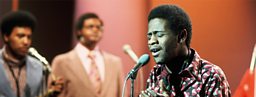
But let's return for a moment to Memphis - not jangling, rocky Sun Studio but the gentle, warm, soul-infused Royal Studios, presided over by producer Willie Mitchell, and home to the honeyed tones of Al Green.
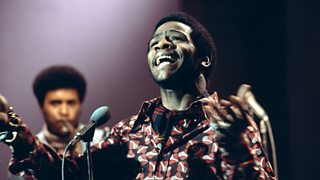
The gentle, warm, soul-infused Royal Studios was presided over by producer Willie Mitchell, and home to the honeyed tones of Al Green
The sound of Memphis Soul was dry where Sun was echoing, literally so in that Royal studio was one of the first to use swagging and carpets to make a clean sound.
This dryness could be unforgiving for bum notes or loose snare hits but allowed a mosaic of fine musicianship, guitar, horns, organ, backing vocals, to conjure up unmistakeable passion for soul hits such as Let's Stay Together, I'm Still in Love With You and Let's Get Married. Willie Mitchell's son Boo treated us to a masterclass in Memphis Soul with the original 8-track master of Let's Get Married.
When you can pull up each individual pre-mixed track and hear each individual artist's contribution building behind Al Green's beautiful voice, you realise what a great band is - a group of gifted individuals who make room for each other and find that perfect little break at that perfect moment to do their magic...
The second episode in the Sound of Song series was shown on BBC Four, Friday 23 January and is available on BBC iPlayer. Neil Brand's introduction to the third in the series has also been published by BBC Arts, alongside exclusive extras including Public Enemy producer Hank Shocklee's take on Kraftwerk's Autobahn.
Exclusive: Al Green at Royal Studios, Memphis
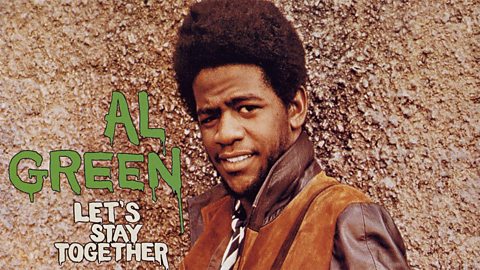
Al Green's Let's Stay Together
Charles Hodges talks about playing Hammond organ on Al Green's hit song
Sound of Song episodes
![]()
The Recording Revolution
Neil Brand investigates how songs were recorded for the first time, the listening revolution in the home that followed the arrival of the microphone, the song-writing genius of Irving Berlin, and the interpretative power of singers Bessie Smith, Louis Armstrong and Bing Crosby
![]()
Reeling and Rocking
Neil Brand recreates some of the most memorable and innovative recording sessions in music history - from Elvis's slapback echo in Memphis and the Beatles' tape loops at Abbey Road to Phil Spector's Wall of Sound and the Beach Boys' pop symphonies
![]()
Mix It Up and Start Again
From the synthesisers of symphonic rock to the mixes of disco and the samplings of hip hop, music was transformed by the arrival of digital technology and the computer
Neil Brand writes...
![]()
The Recording Revolution
The birth of recorded music, W.C. Handy and the blues, and Irving Berlin
![]()
Mix It Up and Start Again
When synths took over: Neil mixes it with Kraftwerk and Public Enemy, and the future of the song

Slapback echo at Sun
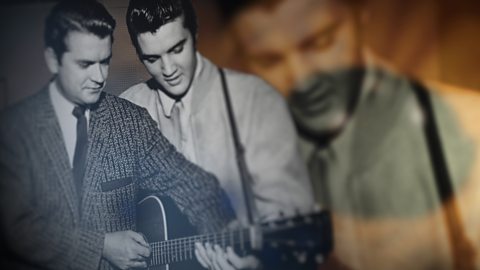
Elvis Presley and the slapback sound at Sun Studio
Neil Brand demonstrates the echo effect producer Sam Phillips created on That's All Right
Sinatra and Riddle
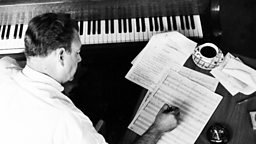
Reel to reel on Sgt. Pepper's
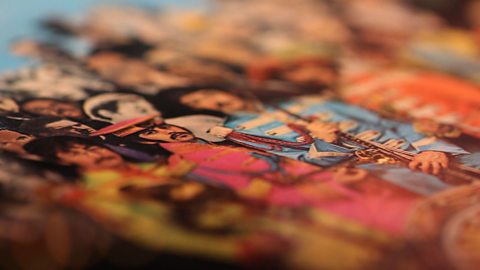
Recording Sgt. Pepper's Lonely Hearts Club Band
How The Beatles used varying tape speeds to create the unpredictable sound of the album.
Royal Studios, Memphis