#Vote100: Revealing your favourite works of art by women
19 February 2018
To mark the 100th anniversary of women over 30 getting the vote in the UK, BBC Radio 4's Front Row asked for your favourite female-created works of art.
Here is a selection of highlights from the films, books, music and art that were suggested on social media - two of which will be debated on a tie-in Front Row special.
Hear the debate
![]()
Front Row
Listen on BBC Radio 4, 19:15, Monday 19 February 2018.
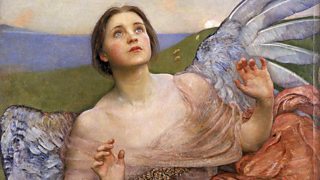
Wuthering Heights by Kate Bush
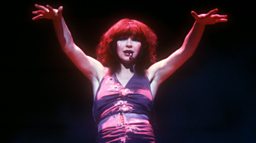
Emily Brontë's novel Wuthering Heights inspired 18-year-old Bush to write this song, which she fought to convince producers to use as her debut single. Turns out she was right, as the track catapulted her to fame and is now ranked as one of the top singles of all time. Photo by Rob Verhorst/Redferns.
Around the BBC
![]()
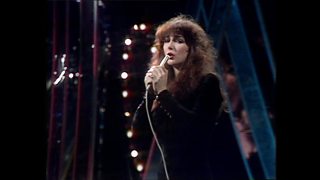
Wuthering Heights live
Kate Bush performed on Top of the Pops in 1978.
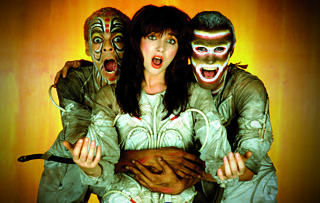
![]()
Ten years with Kate Bush
Rare photographs of the singer at the height of her career.
![]()
Front Row interview
After a 12 year silence Bush talked to John Wilson in 2005.

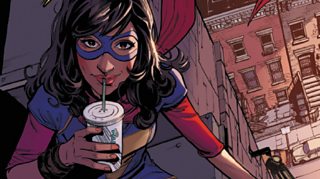
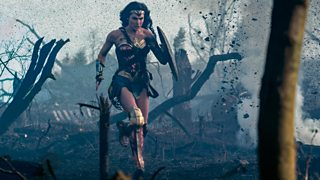
Ms. Marvel Vol. 1: No Normal by G. Willow Wilson
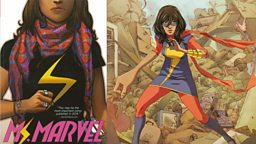
Kamala Khan is a teenage American Muslim superhero and current star of the award-winning Ms. Marvel comics. Her series, by Muslim writer G. Willow Wilson, portrays the Muslim-American experience, and her graphic novel No Normal was called "the most important comic" of 2014. Images © Marvel Comics.
Around the BBC
![]()
Introducing Kamala Khan
G. Willow Wilson tells BBC News about the new Ms. Marvel.
![]()
Radical comic books
BBC Culture on the comics tackling race, gender and sexuality.
![]()
Front Row on comic books
A special programme on the rise of the superhero.

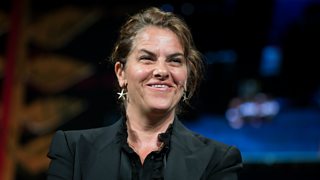
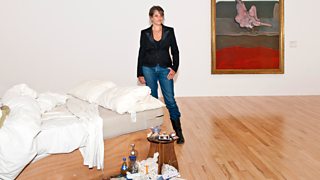
My Bed by Tracey Emin
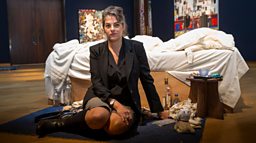
My Bed (1998) was inspired by a depressive phase in Emin's life, when she had spent days in bed after relationship difficulties. The recreation of her ‘vile’ bed was shortlisted for the Turner Prize in 1999; despite outcry at the time, it is now praised as a game-changer for contemporary art. Photo by Rob Stothard/Getty Images.
Around the BBC
![]()
Tracey Emin's culture picks
Her favourites from the world of books, TV, theatre, and art.
![]()
The Tent was misunderstood
Emin on the lost work which listed everyone she'd ever slept with.
![]()
Tracey Emin on Front Row
John Wilson talked to Emin in 2015 as My Bed returned to Tate.
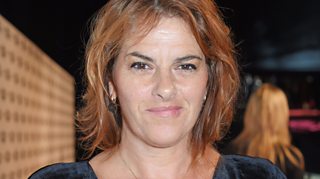
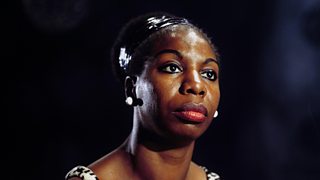
Mississippi Goddam by Nina Simone
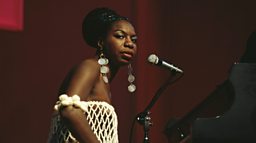
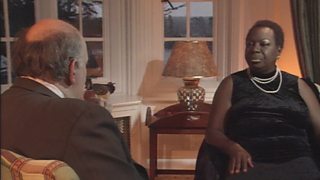
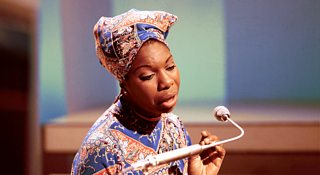
Mississippi Goddam (1964) was written by Simone in response to the murder of civil rights activist Medgar Evers in Mississippi. She called it her “first civil rights song”, and performed it for 10,000 people at the Selma to Montgomery protests in 1965. Photo by David Redfern/Redferns.
Around the BBC
![]()
Listen to Mississippi Goddam
BBC Music shares Simone's 1964 New York performance.
![]()
Nina Simone interview
A 1999 appearance talking about her life and music.
![]()
Nina Simone's life story
BBC Arts charts the extraordinary history of the singer.
When Harry Met Sally by Nora Ephron
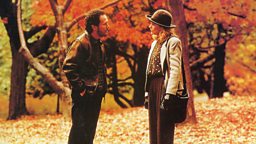
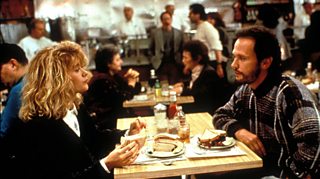
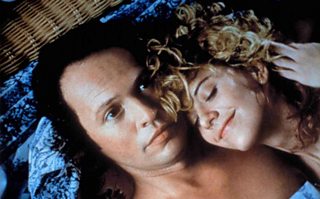
When Harry Met Sally (1989) stars Billy Crystal and Meg Ryan in one of the all-time great romantic comedies. It won writer Nora Ephron a BAFTA for Best Original Screenplay, which she wrote based on interviews she conducted with director Rob Reiner and other friends, asking questions about their love lives.
When Harry Met Sally is writer and stand-up Rosie Fletcher's favourite work by a female artist, and she will champion it in Front Row's head-to-head debate against Tracey Emin's famous sculpture My Bed. Listen to the on-air battle here.
Around the BBC
![]()
Great Lives: Nora Ephron
Former newspaper editor and writer Eve Pollard pays tribute.
![]()
When Harry met Sally at 20
Sarah Churchwell discusses her radio documentary about the film.
![]()
A realistic relationship?
What does the film really tell us about men and women?
Beloved by Toni Morrison
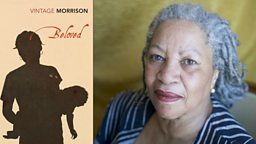
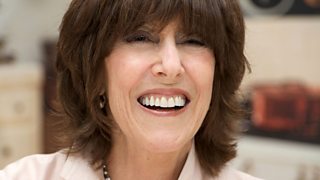
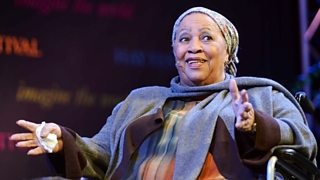
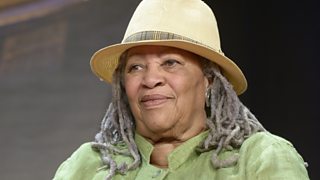
Beloved (1987) is a Pulitzer Prize-winning novel set after the American Civil War. Inspired by an 1856 article, Toni Morrison’s harrowing story is of an escaped slave who kills her baby rather than let her be recaptured by slavers, but is then haunted by the child’s ghost. Photo by Micheline Pelletier/Corbis via Getty.
Around the BBC
![]()
Toni Morrison on Beloved
Kirsty Wark interviewed the acclaimed author in 2014.
![]()
Front Row special
An entire programme dedicated to the Nobel Prize winner.
![]()
Toni Morrison remembers
BBC Arts presents exclusive clips featuring the author.
Ariel by Sylvia Plath
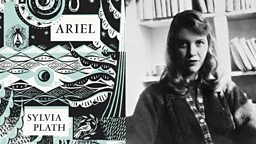
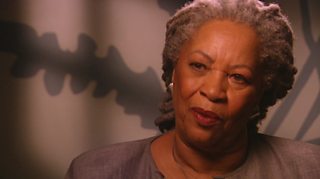
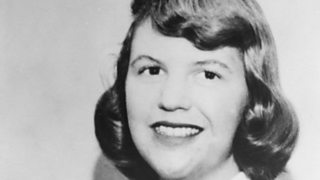
Ariel (1962) is a poem written by Plath shortly before her suicide at the age of 30. The emotive work describes an early morning horse-ride towards the sun, and is one of her most highly regarded and widely discussed poems, particularly as a meditation on identity and gender. Image: Bettman/Getty.
Around the BBC
![]()
Sylvia Plath's final years
Germaine Greer discusses her end-of-life creativity.
![]()
Plath's hidden poetry
Front Row meets the people who discovered her lost work.
![]()
Kathryn Williams on Plath
The songwriter wrote an album based on her poetry.

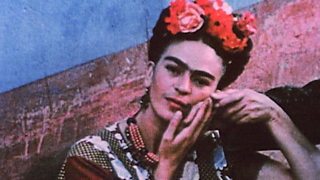
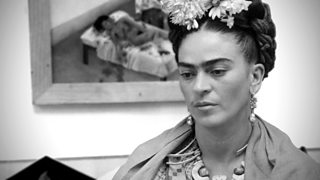
Self-Portrait with Thorn Necklace and Hummingird by Frida Kahlo
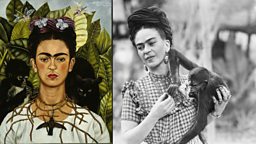
Mexican painter Frida Kahlo’s 1940 self-portrait reflects her love of monkeys, which she kept as pets. Though her neck is bleeding, her expression remains stoic, and the work is considered a statement on enduring the pain of her recent divorce. Image © Leemage / Bridgeman (left), Bettmann (right).
Around the BBC
![]()
In Our Time: Frida Kahlo
The story of one of Mexico's greatest artists.
![]()
A complex marriage
BBC Culture on Kahlo and Rivera's rocky relationship.
![]()
Mexico's elite shun Kahlo
The iconic painter of 'ordinary Mexicans' is not liked by the rich.
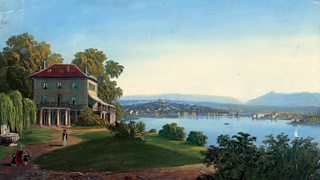
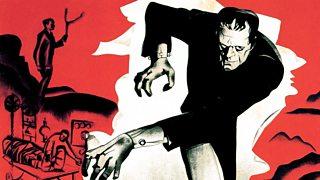
Frankenstein by Mary Shelley
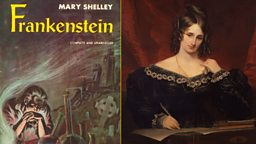
Frankenstein; or, The Modern Prometheus (1818) is one of the most famous horror novels of all time. Mary Shelley’s story tells of young scientist Victor Frankenstein, who gives life to a grotesque monster in his laboratory. Shelley picture by Fine Art Images/Heritage Images/Getty.
Around the BBC
![]()
Birth of a masterpiece
How Mary Shelley came up with the idea for Frankenstein.
![]()
Frankenstein in the movies
Frankenstein's monster has become a film icon.
![]()
Monster's 200th anniversary
How the 1818 novel relates to the science world in 2018.
The Mousetrap by Agatha Christie
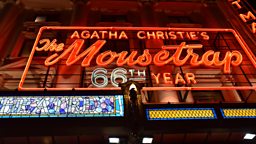
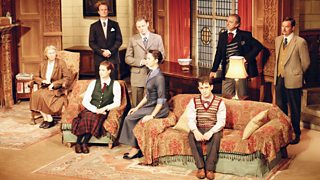
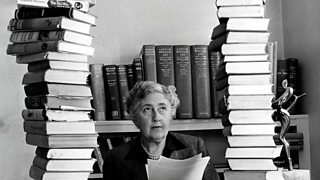
The Mousetrap is a murder-mystery play by prolific crime writer Agatha Christie. It opened in London in 1952, and Christie thought it would close after eight months; in fact it has run continuously ever since, the longest initial run for any play in history. Image: Matthew Chattle/Alamy Live News.
Around the BBC
![]()
Enduring appeal of the play
Front Row on why The Mousetrap has lasted for over 60 years.
![]()
The Queen of Crime
A timeline showing the history of Agatha Christie.
![]()
10 surprising Christie facts
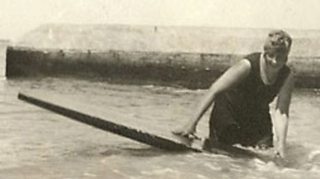
She loved dogs, surfing and poisons, among others.
More from Front Row
![]()
Shows within shows
The animated characters who watch other shows on TV.
![]()
Podcast transitions
Can your favourite audio survive a move to the screen?
![]()
Ready to rumble?
Seven times the art world grappled with wrestling.
![]()
Apocalypse now
Seven doomed futures from E3’s hottest games.

More from BBC Arts
![]()
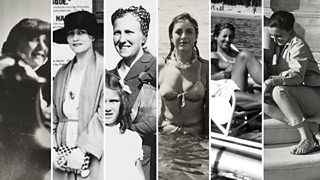
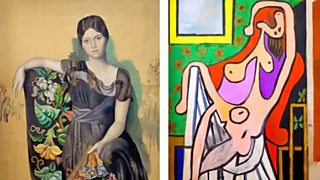
Picasso’s ex-factor
Who are the six women who shaped his life and work?
![]()
Quiz: Picasso or pixel?
Can you separate the AI fakes from genuine paintings by Pablo Picasso?
![]()
Frida: Fiery, fierce and passionate
The extraordinary life of Mexican artist Frida Kahlo, in her own words
![]()
Proms 2023: The best bits
From Yuja Wang to Northern Soul, handpicked stand-out moments from this year's Proms