How climate change go take affect Africa well-well
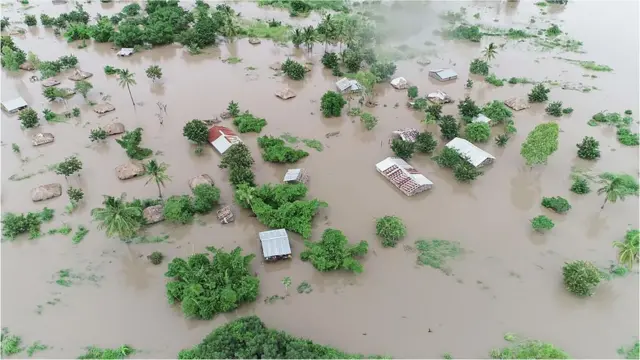
Wia dis foto come from, AFP/UN
Climate Specialist, Richard Washington don tok say Africa na im dey for more danger pass any oda region for di world as weather pattern change upandan.
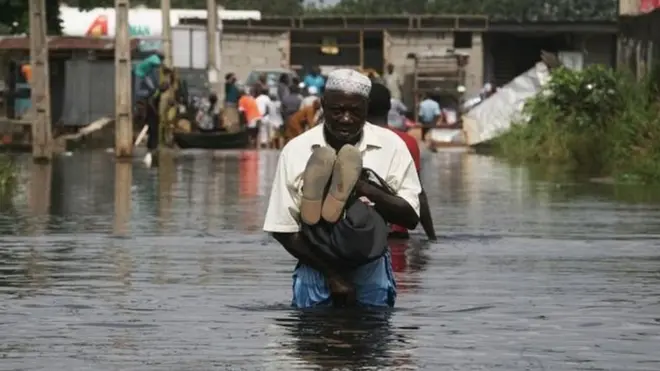
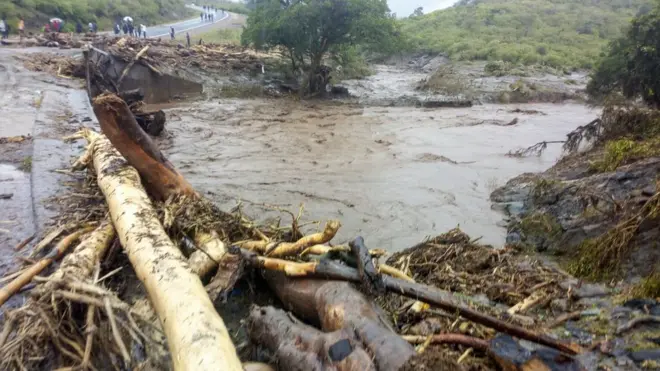
Di African continent na im go be di hardest hit by climate change.
Na four reasons na im make expert on top climate mata tok like dis and dem be:
- First, African society dey closely joined with di climate system; Plenti-plenti pipo dey depend on rainfall to grow dia food.
- Second, African climate system dey complex, different kain weather system na im dey control am. Expert neva too study am compare to oda region.
- Di degree of climate change wey dem dey expect for Africa dey large. Africa get di two major place wey dem expect say rain go reduce pass for di planet. One na for North Africa and di oda na Southern Africa
- Finally, di way pipo go cope with climate change dey low sake of di level of poverty and goment don fail to take quick action on top climate change mata.

Wia dis foto come from, Getty Images
Africa dey sleep waka enta climate change palava?
African climate dey complex and e dey change anyhow. Di Sahara na di world largest desert wey get di deepest layer of serious heating anywhere for Earth.
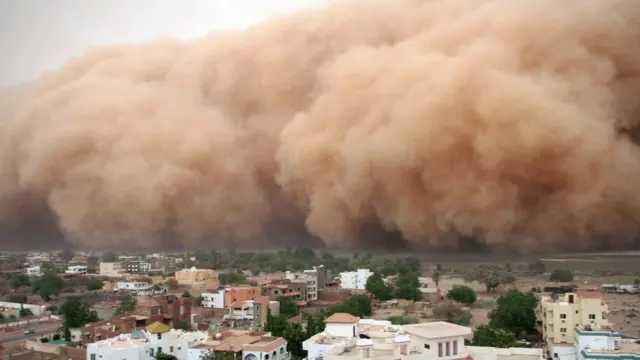
For June and July di most serious dust storms wey dem don ever see for anywhere for di planet fill di air with fine particles and dis dey clash with climate in way wey dem no too understand.
Wia dis foto come from, AFP
For decades wey follow di 1960s enta 1984, rainfall reduce by 30% across di Sahel, wey lead to famine and di deaths of hundred of thousands of pipo for di region and plenti pipo lose dia home.
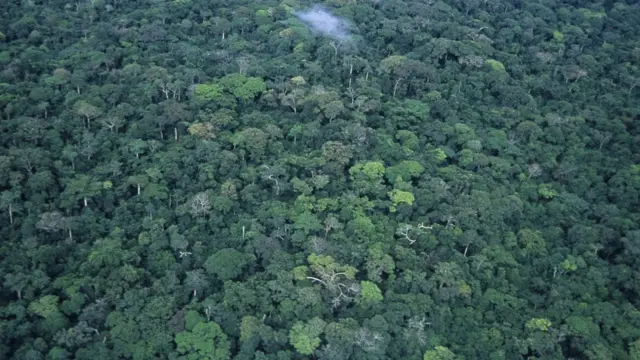
Wia dis foto come from, Getty Images
No oda region don get dat kain long drought.
Currently dem don dey observe say di recovery of di rain go continue all through di 21st century especially ova central and eastern Sahel.

End of Di one wey oda users dey read well well
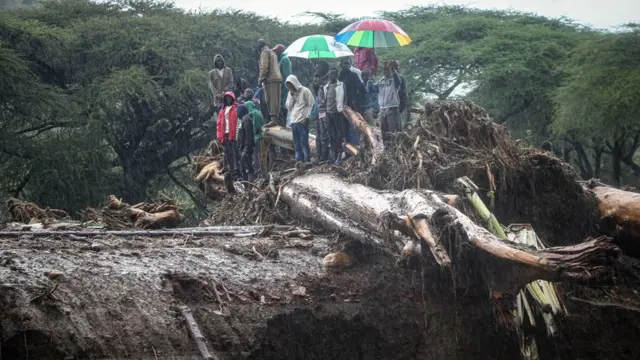
Wia dis foto come from, AFP
But di change go depend on wia future heating for di central Sahara dey high pass.
For southern Africa delay don dey from di beginning, early summer rain don dey dry and dem don predict say e go worse for di coming decades.
Dem don predict say Temperatures go rise by five degrees or more, especially for di parts of Namibia, Botswana and Zambia wey don dey hot pass normal.
Meanwhile for Kenya and Tanzania, di long rains from March to May start later and end sooner - dis dey lead to reduction in rainfall.
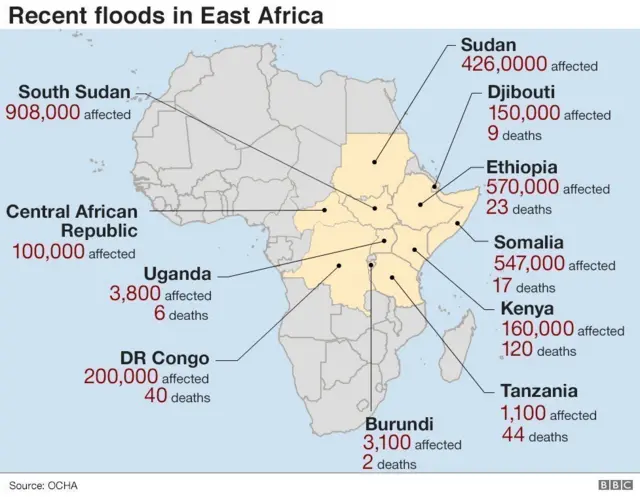
Although tins like di ongoing Future Climate for Africa (FCFA) programme wey UK Department for International Development and Natural Environment Research Council fund, and di experience and insights of African climate scientists don help understand and model African climate.
But Africa go be di hardest hit by climate change, but na dem contribute less to wetin cause di change, Richard Washington tok.