Dirty, oda tins wey dey inside balloons wey North and South Korea dey drop on each oda

Wia dis foto come from, Yonhap News Agency / Reuters
- Author, By Hyojung Kim
- Role, BBC News Korean
- Published
North Korea bin drop hundreds of balloons wey carry dirty enta South Korea, making pipo remember di two sides propaganda war wey don dey happun now for ova 60 years.
At least 260 balloons wey dem attach to plastic bags wey dirty full inside na im land for di South on Tuesday night, and dis make South Korean authorities warn dia kontri pipo make dem stay inside house.
North Korea bin warn some days ago say e go revenge against distribution of anti-Pyongyang leaflets wey South Korea organisations bin send.

Wia dis foto come from, Yonhap News Agency / EPA
2.8 billion Korea War leaflets
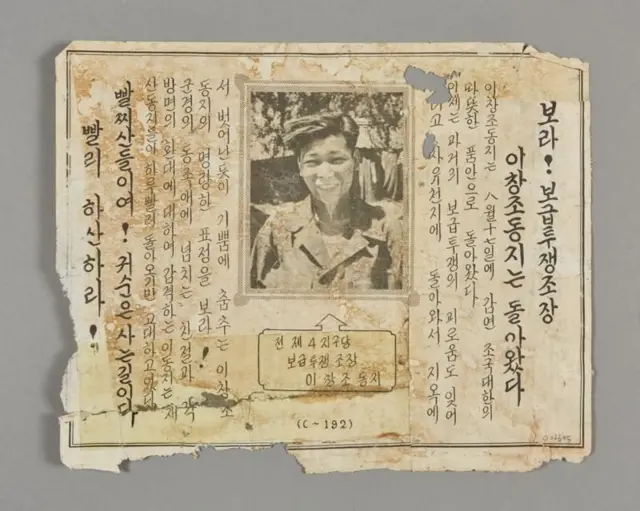
Di objects – wey be mostly flyers wey dem dey call "pira" for Korea – wey dem dey deliver and scata through balloon between North Korea and di South, don dey occur since way back during di 1950s Korea War.
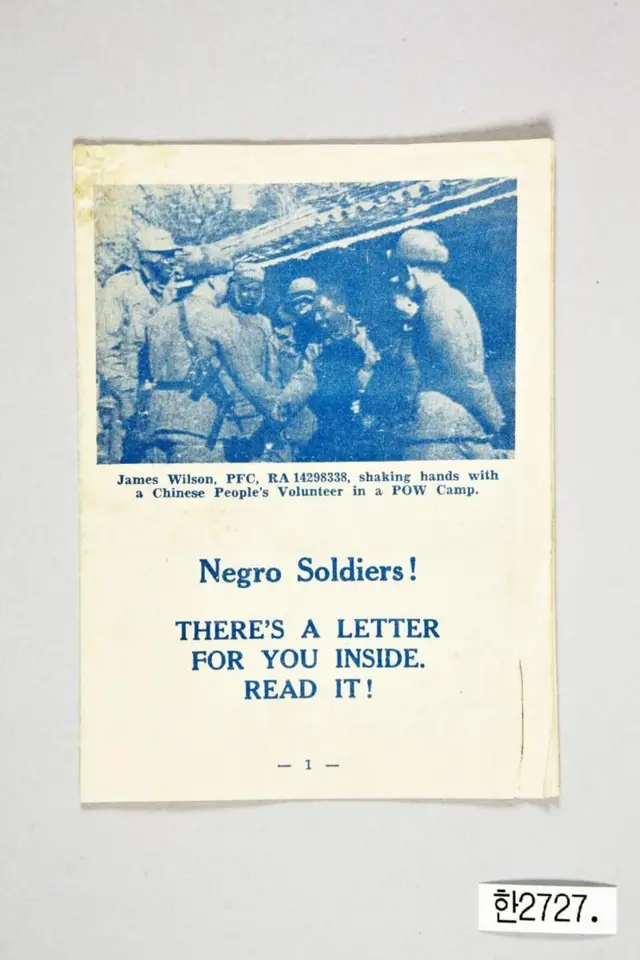
Di practice catch fire during di conflict, as United Nations (UN) forces drop flyers ova di North as part of psychological warfare.
In turn, North Korea also scata flyers wey bin target UN forces.
By di time wey dem sign one armistice agreement on 27 July 1953, dem don drop total of 2.8 billion flyers.
Out of dis, South Korea and UN forces bin distribute 2.5 billion, while North Korea and Soviet Union drop 300 million.




End of Di one wey oda users dey read well well
Wia dis foto come from, DMZ Museum
Dis quantity bin fit cova di whole Korea Peninsula more dan 20 times ova.
Most of di flyers bin dey for bright colours – mainly red - to attract attention.
Di main message inside bin encourage surrender. Some flyers bin also include "guarantees of safety certificates", promising protection for pipo wey hold dem.
Wia dis foto come from, DMZ Museum
"Self-praising" messages
Even afta 1953 armistice agreement, wey make di hostility cease between both sides, dem still continue to distribute di flyers.
Na so so criticising of each oda leaders and dia goment full inside am.
Wia dis foto come from, DMZ Museum
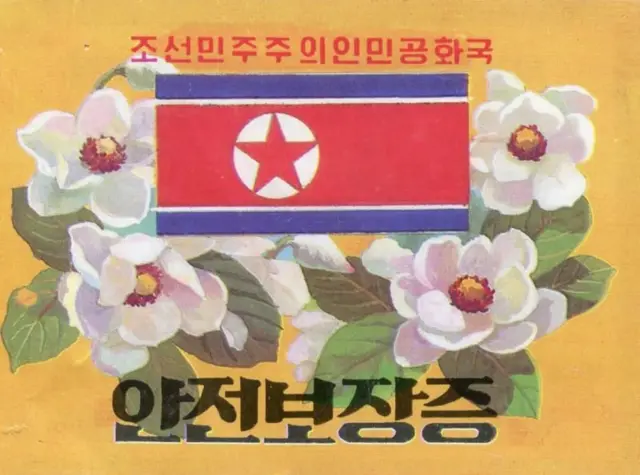
For 1960s and '70s, North Korea flyers emphasise development of Pyongyang and promote di achievements of Chairman Kim Il-sung.
For 1970s, North Korea handouts promise "soldiers wey come to di North" plenty benefits, including "guaranteed rights and freedoms, job placement, free allocation of luxury housing, a living allowance and cash rewards."

Wia dis foto come from, DMZ Museum
During di 1970s, North Korea economic conditions be like say e beta pass di one for South Korea. Dis lead to case wia South Korea pipo escape afta reading flyers.
Until di 1980s, e bin dey common for South Korean students to pick up leaflets wey dem send from North Korea.
To carry dem enta schools or police stations fit give dem rewards like pens, notebooks, and oda school supplies.
Wia dis foto come from, DMZ Museum
Goment offices even bin dey post notice wey offer rewards for reporting spies or collecting anti-South Korea flyers.
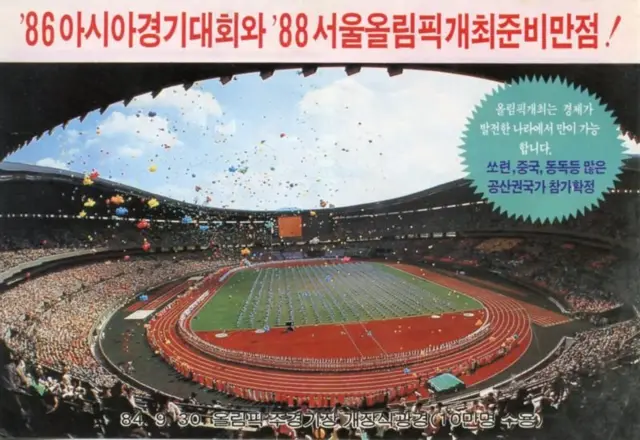
As di economic situation between di two sides reverse, South Korea begin utilise dis aspect for dia own anti-North Korea flyers.
During di 1988 Seoul Olympics, dem bin use hypes like "You no wan chop until you belleful?" to directly address dis shift.

Wia dis foto come from, DMZ Museum
Pause
Following di signing of di 1991 Inter-Korea Basic Agreement and di 2000 Inter-Korea Agreement on di Cessation of Hostile Acts, both North and South Korea officially stop dia flyer distribution activities.
For 2007, di South police cancel di law wey govern di collection and handling of North Korean propaganda materials – effectively ending rewards for submitting dat kain item, including school supplies.
While official-sponsor of flyer distribution bin cease, flyers no completely disappear.
Wen di two sides relationship begin sour during South Korea President Lee Myung-bak time, di two sides begin criticise demsef again and psychological warfare resume.
Flyers begin fly upandan again ova di two Koreas.
Aside from flyers
Since di 2000s, civilian organisations for South Korea don take di lead dey send anti-North Korean flyers.
Dem bin also send Western items like cup noodles, one US-dollar bills, and pamphlets.
Di distribution of anti-North Korea flyers bin expand wella afta di 2010 sinking of di Cheonan naval vessel.
Following North Korea fourth nuclear test for January 2016, South goment of Park Geun-hye resume loudspeaker broadcasts to North Korea as response.
Dis broadcasts, wey dey shout from speakers wey dem hang for di border, include news about human rights abuse for North Korea and popular Korea idol music as part of one broader cultural exchange effort.
In response, North Korea sef resume distribution of anti-South Korean flyers all ova.
Majority of dis flyers bin criticise Washington North Korea policy and di political situation inside South Korea.
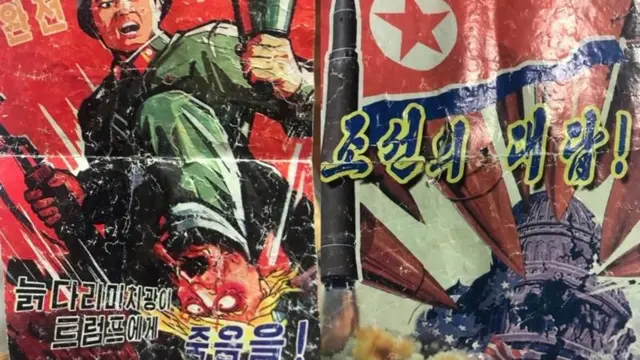
Wia dis foto come from, Julie Yoon / BBC
On 27 April 2018, South Korea President Moon Jae-in and North Korea leader Kim Jong-un announce di Panmunjom Declaration.
Both leaders agree to "cease all hostile acts, including loudspeaker broadcasts and distribution of flyers along di Military Demarcation Line starting from 1 May."
Even wit dis, flyer distribution by South Korea civilian groups, like Fighters for a Free North Korea, continue.
At dat time, Kim Yo-jong, sister of Kim Jong-un, warn say if di South Korea goment fail to prevent di "garbage grand performance" and di ugly situation from happening in di first place, inter-Korea relationship fit scata more.