Di Seven planets you go fit see in di night sky for di last time until 2040
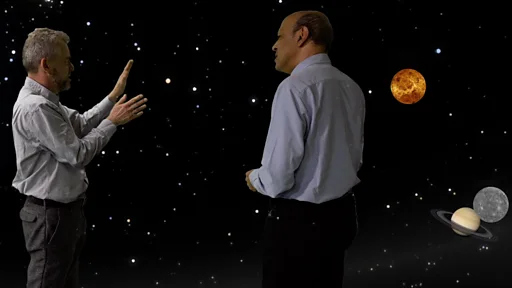
- Author, Maddie Molloy
- Role, BBC Climate & Science
- Read am in 4 mins
Skywatchers go get one nice treat dis week as seven planets - Mars, Jupiter, Uranus, Venus, Neptune, Mercury, and Saturn go all dey briefly visible for di evening sky.
Dis kind event, wey dem dey call 'planetary parade' no be common sight, and e go be di last time seven planets go dey seen at di same time so well until 2040.
Di best chance to see as many planets as possible go be just afta sunset on Tuesday, Wednesday, Thursday and Friday.
Four of di planets - Mercury, Venus, Jupiter, and Mars - go dey visible to di naked eye. Saturn go dey harder to see sake of say e go dey low for di horizon. You go need telescope to spot di oda two planets - Uranus and Neptune.

Wia dis foto come from, Getty Images
One good view of di horizon and clear skies go offer di best chance to spot dem all. However, di window to see all seven planets go dey very brief.
Dr Edward Bloomer, astronomer for di Royal Observatory Greenwich tok: "Rare opportunity to get seven planets for essentially one convenient place for you to look for dem."
As di sun set, Saturn and Mercury go also dey set, e go make dem particularly difficult to see.
"You really only get few minutes afta sunset to catch dem bifor dem drop below di horizon. Afta dat, you go still dey able to see Venus, Jupiter, and Mars clearly for much longer time," Dr Bloomer bin add.
Di planets wey dey our solar system dey orbit di Sun within roughly di same flat plane as di Earth.
As dem dey orbit for different speeds and distances from di Sun, moments dey wen e appear say dem line up from Earth perspective to create one ogbonge visual display, although di planets still dey separated by wide distances for space.
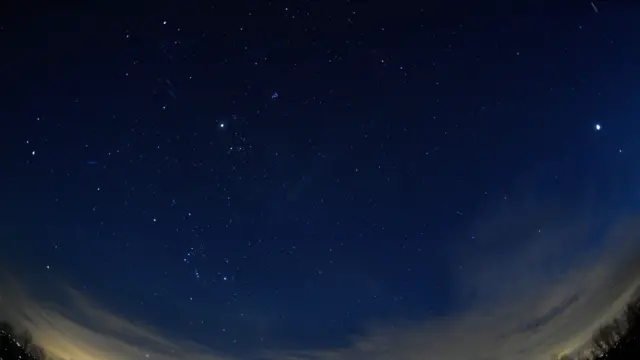
Wia dis foto come from, Getty Images
Venus and Jupiter go be di easiest to spot sake of dia brightness, while Mars go get one kain red colour.
"Uranus dey technically visible wit di naked eye, but you go need perfect eyesight and ideal conditions," Dr Bloomer explain.
To improve your chances to see as many planets as possible, Dr Bloomer advise to head to one location wit clear view of di horizon and minimal light pollution.
"If you just out come of your kitchen go your back garden, you go take time to adjust to di light levels. Give am small time - your eyes dey take about half an hour to fully adjust," Dr Bloomer tok.
"Avoid to dey look your phone, get comfortable, and make sure you get clear view of di horizon."
While dis na exciting opportunity, Dr Bloomer encourage pipo to make habit wia dem go dey look di night sky.
"See how tins change," e tok, e add say to dey observe di heavens na "chance to witness di ongoing mechanics of di solar system at work."
Di skies fit dey clear enough to see dem?
While di weather still never settle currently, clearer and calmer conditions dey expected to develop later in di week.
Tuesday evening go start clear, but cloud and rain go move in from di west later.
On Wednesday night, skies go dey generally cloudier wit showers of rain some times.
By Thursday, expect drier, clearer view of di night sky. Earlier for evening na di best, as mist and fog fit develop further into di night.
For Friday, high pressure dey expected to dominate, dry conditions go mostly dey wit clear spells. Soon afta sunset na di best time as mist and fog fit develop later.