Five oda disease wey mosquitoes dey pass to pipo apart from malaria
Wia dis foto come from, SPL
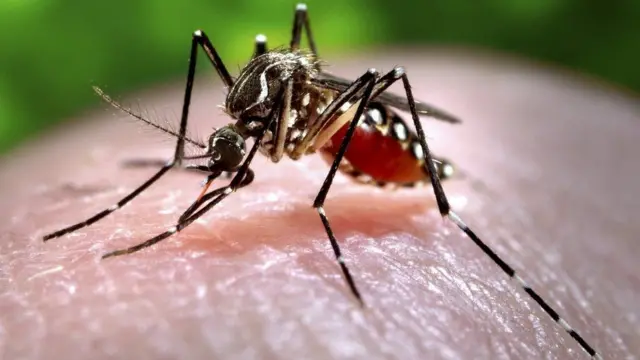
Most pipo dey quick associate mosquitoes wit malaria. But apart from malaria, wey dis tiny flying insects dey transmit, dem dey spread some oda diseases too.
Dem dey call viruses wey mosquitoes dey spread, anthropod-borne or arboviruses.
Like malaria, these viruses dey spread to vertebrate hosts through di bite of a female mosquito wen she carri blood meal to assist her egg development.
Most vertebrate hosts for these arboviruses na non-human. Dem include birds, primates and agricultural animals. But some arboviruses fit dey transmitted to humans wit severe negative outcomes.
Five of di most important arboviruses wey dey affect communities for Africa include di chikungunya, dengue, West Nile, yellow fever and Zika viruses.
Estimates show say half of di wold population dey at rist of being infected by an arbovirus.
Some mosquito-borne diseases – no be all – fit dey deadly to humans. Dis confam say every effort must be in place to prevent being bitten by a mosquito.
Chikungunya
Wia dis foto come from, James Gathany/USCDCP
Di name chikungunya na from di Kimakonde language (used in Tanzania and Mozambique) and e mean “to become contorted”.




End of Di one wey oda users dey read well well
Di symptoms of chikungunya virus include headaches, rash, fatigue, fever and muscle and joint pain.
Generally these symptoms dey clear within one week.
Occasionally, di infection fit result into severe fever and extremely painful joints, wey fit last for months or years.
Unfortunately, no antiviral or vaccine treatments dey available for chikungunya virus.
Deaths from chikungunya no common and e dey generally associated wit underlying health problems.
Di chikungunya virus first dey identified for 1952 during one outbreak for Tanzania.
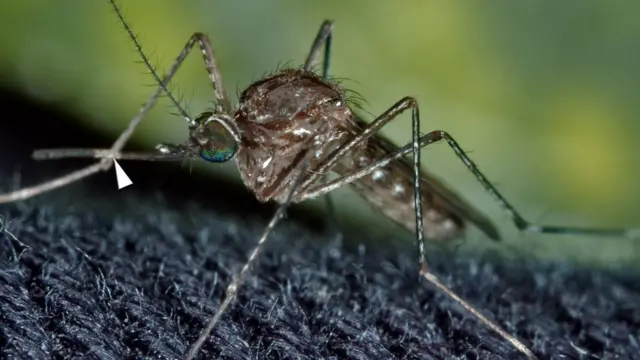
E dey transmitted by Aedes aegypti and Aedes albopictus mosquitoes. Ova 100 kontri across di world don report chikungunya virus cases.
Di risk of outbreaks dey extremely high wherever these mosquito species dey present, around homes and urban areas.
Female Aedes mosquitoes dey chop afta sunrise and around sunset. Dem dey lay eggs wey fit survive drying out. Dis make vector control to dey challenging.
Current control strategies dey focus on reducing di number of water containers wey these mosquitoes dey like to breed in, di use of insecticides against adult mosquitoes and personal protection to prevent mosquito bites.
Dengue
Wia dis foto come from, Getty Images
Di World Health Organization don classify dengue virus as one of di top ten global health threats.
E be one of di fastest spreading mosquito-borne diseases. At least half of di world population dey at risk of infection.
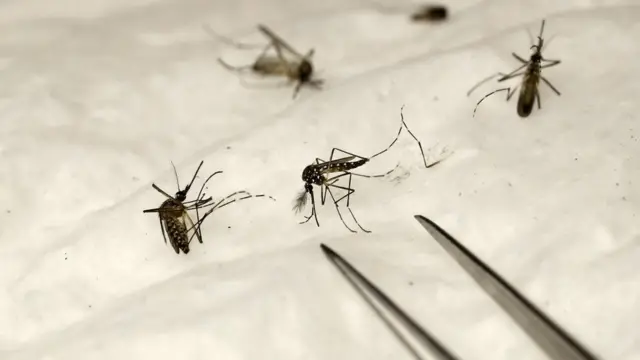
Like chikungunya virus, Aedes aegypti and Aedes albopictus mosquitoes na im dey spread dengue.
Both viruses share dey di same control interventions and non-specific symptoms of headaches, a rash, fever and muscle and joint pain, so most often e dey misdiagnosed.
Most human cases of dengue dey asymptomatic or present wit mild symptoms, wey dey last for two to seven days.
For certain individuals, dengue virus dey develop to severe disease and symptoms include persistent vomiting, bleeding gums or nose and enlarged liver.
E must dey treated as medical emergency as these complications fit dey deadly.
Dengue virus fit dey diagnosed using a rapid diagnostic test or a polymerase chain reaction (PCR) test.
But no treatment dey available. One vaccine don dey developed and few kontris don approve am for use but e neva dey widely available in Africa at present.
Zika
Wia dis foto come from, AFP
Di Zika virus dey identified in humans for di 1950s. But e only become a pathogen of major public concern for 2016 afta di 2015 Zika virus pandemic.
Di virus dey transmitted by Aedes aegypti and Aedes albopictus mosquitoes, and generally e no dey deady to humans.
Most pipo wey catch Zika virus no dey show any symptoms.
Few pipo get non-specific symptoms like fever, rash, headaches, muscle and joint pains and conjunctivitis. Dis fit last two to seven days.
Individuals wey catch Zika virus wen dem get belle dey at increased risk of stillbirth, abortion, neurological disorders or delivering children wit birth defects, including microcephaly.
PCR testing fit dey used to diagnose Zika virus, but no treatment dey available.
Yellow fever
Wia dis foto come from, Reuters
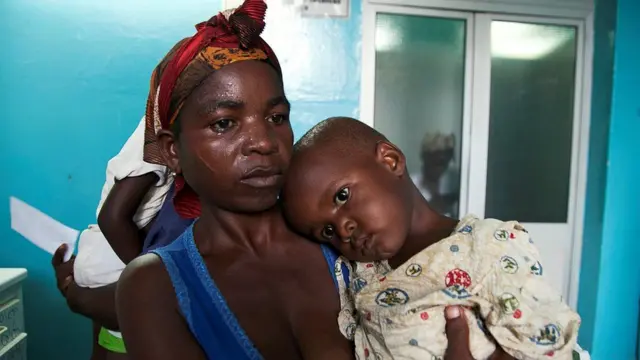
Aedes aegypti and Aedes albopictus mosquitoes also dey responsible for di transmission of yellow fever, jaundice (yellowing of eyes and skin due to impaired liver function).
Symptoms of mild cases include fever, headaches, chills, back pain, fatigue, jaundice, vomiting and bleeding from di mouth, nose, eyes or stomach.
Dis dey generally clear within five days.
Approximately 50% of di small number of patients wey develop severe symptoms dey die wit 10 days dem catch di virus.
Yellow fever fit dey diagnosed by PCR or enzyme-linked immunosorbent assay (ELISA).
Although no treatment dey available for yellow fever, a very effective vaccine dey widely available.
One single vaccine dose provide lifelong immunity, so all individuals living in or travelling to areas endemic for yellow fever fit take di vaccine.
West Nile
Wia dis foto come from, Getty Images
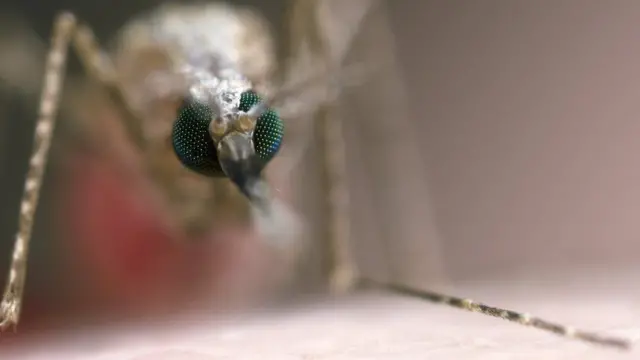
Di West Nile virus dey discovered from one woman for di West Nile region of Uganda. Mosquitoes wey dey spread am belong to di genus Culex.
Di natural vertebrate hosts na wild birds. But di virus different animals fit dey infected by di virus including humans, through di bite of an infected mosquito.
Approximately 80% of di pipo wey di West Nile infect no dey show any symptoms.
Pipo wey become become symptomatic dey get mild non-specific symptoms wey include headaches, fever, tiredness, body aches, nausea, vomiting and, occasionally, a rash.
A small proportion of symptomatic patients, however, develop severe disease. Dem dey associate dis wit neurological impairment, and e fit dey deadle in extreme cases.
West Nile virus infection dey diagnosed by PCR or ELISA, wit only supportive treatment available for neurological impairment. Pipo wey don pass 50 years old get greater risk of severe infection.
An integrated approach wey comprise water management together wit chemical and biological interventions dey needed to control di spread of di Culex vectors.