Cameroon roll out world first malaria vaccine - Why e dey important
Wia dis foto come from, AFP
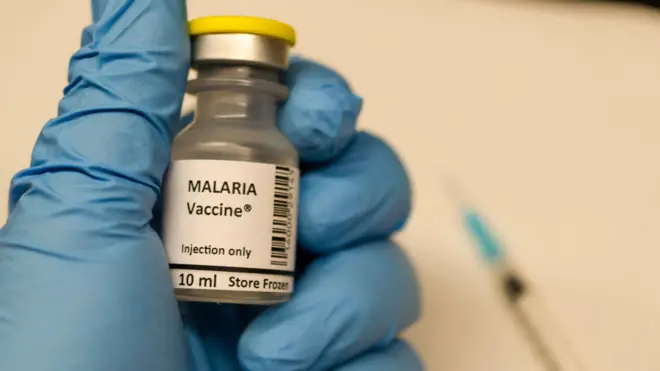
Di world first routine vaccine programme against malaria don start for Cameroon, inside one move wey dey projected to save thousands of children lives across Africa.
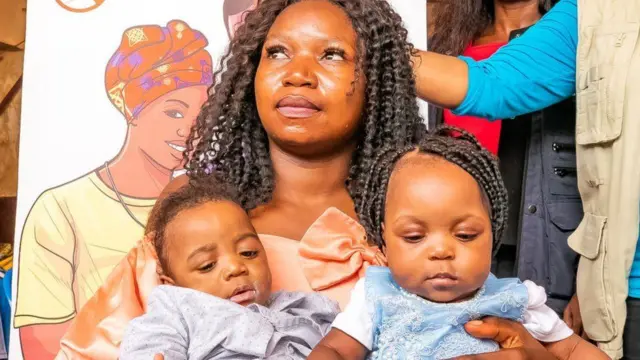
Dem give di symbolic first jab to one baby girl named Daniella for one health facility near Yaoundé on Monday.
Every year 600,000 people dey die of malaria for Africa, according to di World Health Organization (WHO).
Children under five make up at least 80% of those deaths.
Cameroon dey offer di RTS,S vaccine free of charge give all infants up to di age of six months old.
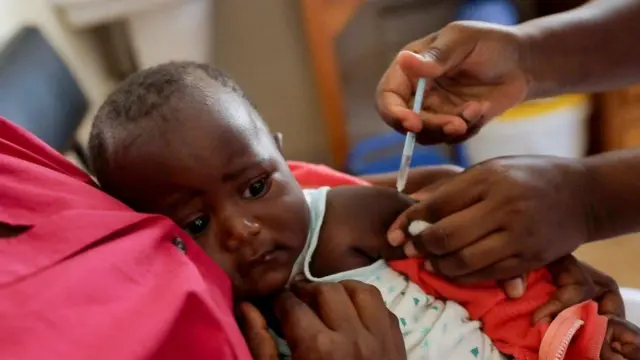
Patients require a total of four doses. Health officials say dem go give dem di same time dem dey give routine childhood vaccines to make am easier for parents.
E come afta successful pilot campaigns for Kenya, Ghana and Malawi – wia di vaccine cause 13% drop in malaria deaths for children of eligible age, Unicef tok.
Wia dis foto come from, Reuters
US researchers confam say di jab is known to dey effective for at least 36% of cases, wey mean say e fit save over one in three lives.


End of Di one wey oda users dey read well well
While di rollout undoubtedly na relief and e be life-saver, its relatively low efficacy rate mean say e no be "silver bullet", Willis Akhwale argue for End Malaria Council Kenya.
But for medics na important additional tool for di fight against malaria alongside mosquito nets and malaria tablets. Using all three together potentially give children 90% protection from malaria, one UK-led study estimate.
"We get capacity to considerably reduce di number of cases and deaths from malaria and accelerate di elimination of di disease," Cameroonian doctor Shalom Ndoula, wey help lead di vaccine rollout for im kontri, tell BBC Newsday.
Wetin to sabi about di RTS,S/AS01 malaria vaccine
Wia dis foto come from, Getty Images
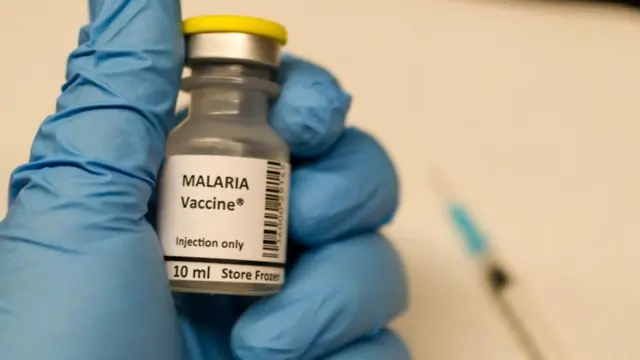
6 October, 2021 na historic day, na di day WHO bin approve di first malaria vaccine and parasitic vaccine, RTS,S/AS01 (RTS,S, wey also dey known as Mosquirix) for widespread use.
Development of di RTS,S vaccine bin take 30 years of research by di British drug-maker GSK.
Di World Health Organization, wey approve di vaccine, hail di launch for Cameroon as historic moment for di global fight against di mosquito-borne disease.
Di vaccine dey significantly reduce total malaria cases, and di deadly form of di disease among young children.
Di vaccine na one of medicine biggest achievement on to say malaria vaccine bin dey under development since di 1960s.
Dis paediatric vaccine dey act against Plasmodium falciparum, di deadliest malaria parasite globally, and di one wey dey common most for Africa.
Di vaccine dey reduce di number of times pikin go get malaria, including severe, life-threatening malaria, and e dey reduce child death.
RTS,S, to date, na di only malaria vaccine wey di World Health Organization (WHO) recommend. Di health body recommend di vaccine as additional tool for prevention of P. falciparum malaria for children wey dey live for areas of moderate to high malaria transmission.
Anoda breakthrough bin dey earlier dis month, wen Cape Verde become di first sub-Saharan African kontri in 50 years to be officially declared malaria-free by di global health body.
'Safe, effective and free'
Wia dis foto come from, WHO
Fears and doubts among some Cameroonians about di safety and efficacy of di doses don raise concerns about vaccine and make dem dey doubt am.
"Wen pipo tok say dem dey use us as guinea pigs, no be true," Wilfred Fon Mbacham, wey be Cameroonian king and professor of public health biotechnology wey specialise in malaria, tell BBC Newsday.
"We as scientists gatz do more to educate di public on wetin e be, plus di benefits e get, to quench dia fears."
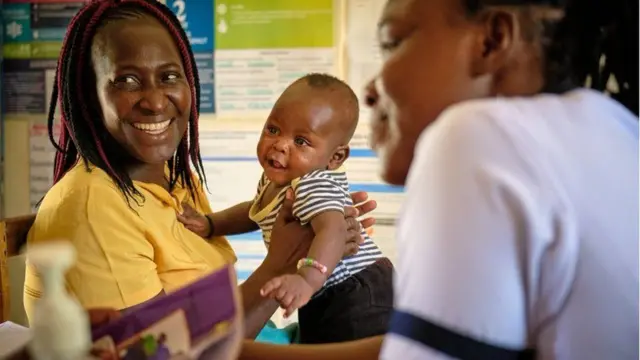
Vaccination official Daniele Ekoto for Monday launch tell BBC say she dey reassure mothers as she dey administer doses to dia children, say "di vaccine dey safe, effective and free".
But for odas di benefits dey obvious.
"I decide to vaccinate my child to avoid malaria. Na bad thing and wen e affect a child, dem fit easily die," one mother tell BBC for di same vaccination centre for Soa, near Yaoundé, wia Monday launch happun.
For 2021, Africa account for 95% of malaria cases globally and about 96% of related deaths.
"I don pray and wait all my life for dis vaccine", Mr Mbacham tell BBC.
WHO say Cameroon record about six million malaria cases every year, wit 4,000 deaths for health facilities - most of dem children below five.
Six-month-old children for 42 districts wit di greatest rates of morbidity and mortality go receive four doses until di age of two.
Twenty oda kontris dey aim to roll out di programme dis year, according to di global vaccine alliance, Gavi. Among dem na Burkina Faso, Liberia, Niger and Sierra Leone.
Already, big demand don dey ground for doses, but only about 18 million dey available for allocation before 2025, according to Gavi.
E fall short of wetin dey needed by di kontris di vaccine alliance bin recommend for approval.
Di anticipated rollout of a second jab - R21 - wey Oxford University dey develop dey expected to significantly increase di number of doses available for use.
Di Serum Institute of India go manufacture di vaccine, wey dey aim to make 100 million doses per year, as far as e pass di regulatory approvals following its recommendation for use by di WHO last year.
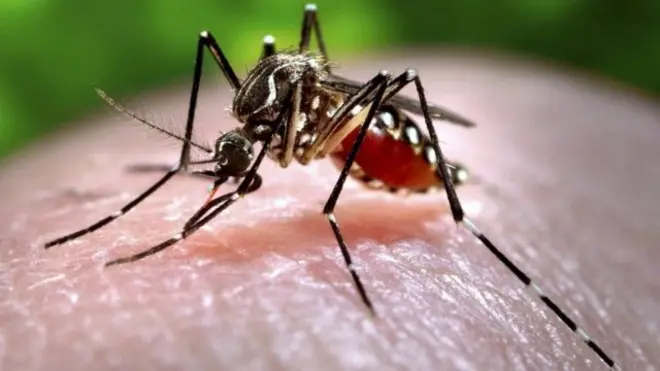
Malaria na acute febrile illness wey Plasmodium parasites dey cause. Humans dey get malaria through di bites of infected female Anopheles mosquitoes.
Na five parasite species dey cause malaria for humans and two of dis species pose di greatest threat. Dem be P. falciparum and P. vivax.
P. falciparum na di deadliest malaria parasite and na im plenti pass for Africa. P. vivax na di dominant malaria parasite for most kontris outside sub-Saharan Africa.
Di first symptoms of malaria na fever, headache and chills. And dis symptoms dey usually appear 10-15 days afta di infective mosquito bite pesin. Dis symptoms fit no serious and e fit dey difficult to recognise as malaria.
If pesin no treat malaria wey P. falciparum cause, e fit progress to severe illness and death within a period of 24 hours.