Injured, orphaned and traumatised: Lives change since 7 October attack
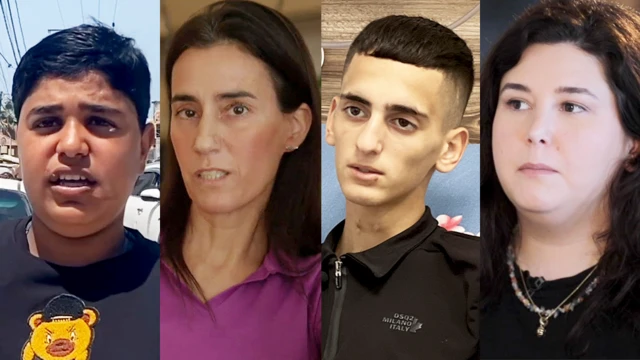
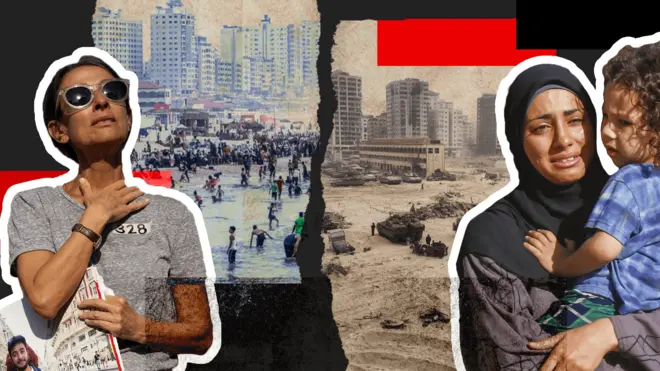
Batsheva no sabi weda her husband dey dead or alive, Abdullah dey become teenager witout papa or mama, and Christina and Abdulrahman just dey hope say dem go fit waka again one day.
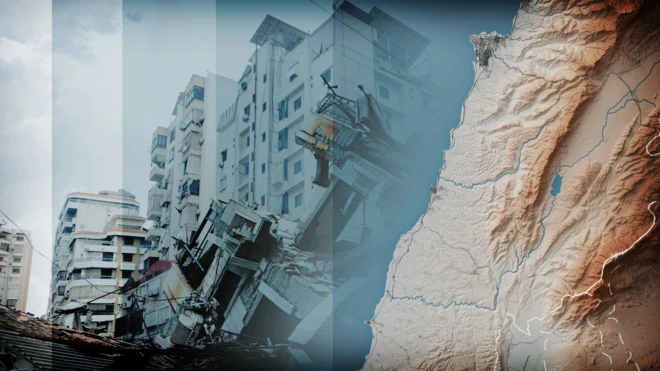
Speaking from Israel, Gaza, Lebanon and West Bank, dem tell BBC how dia life don change sake of 7 October attacks.
E don reach one year since Hamas attackers storm enta Israel, killing about 1,200 pipo, come carry 251 hostage.
In response, Israel launch large-scale air and ground operation for Gaza wey kill more dan 41,000 pipo, according to di territory Hamas-run health ministry.
‘Di hardest tin na not knowing’
Wia dis foto come from, Batsheva Yahalomi
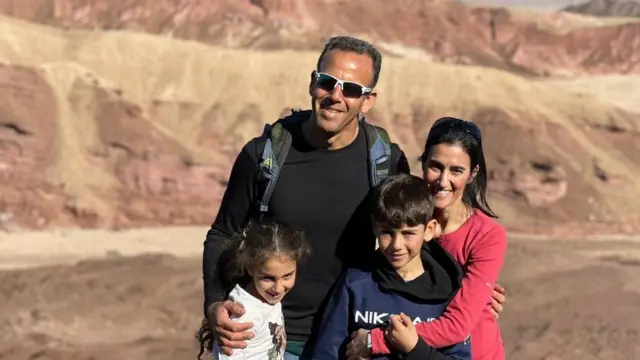
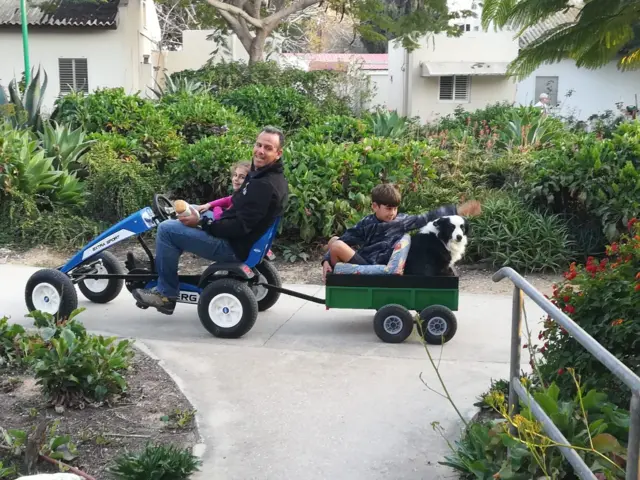
Di day before 7 October, Ohad Yahalomi and im 10-year-old daughter Yael go look for animals for one nearby field.
Her older broda, Eitan, age 12, bin dey play football wit friends.
Ohad wife, Batsheva, stay for house wit dia youngest daughter, wey bin no reach two years.
Na typical of life for Nir Oz kibbutz - one community of less dan 400 pipo for southern Israel, about one mile from Gaza border.


End of Di one wey oda users dey read well well
“We bin love our life dia and we bin dey so naive. E bin be like paradise for us,” 45-year-old Batsheva tok.
Di next morning, di family wake up to sound of rocket alert sirens - dis na familiar warning say groups armed groups for Gaza go soon attack.
But minutes later dem begin see signs say dis one no be just ordinary rocket attack - shouting, chants of “Allahu Akbar” and sound of gunfire from outside.
For hours di family wait, fear wan finish dem, inside dia safe room.
But as gun men surround di house, dey try break in, Ohad feel say im gatz leave di safe room to try stop di attackers from finding im family.
“Im tell us evri few minutes say im love us,” Batsheva tok. Im write to im friends: “Our last minutes.”
Wia dis foto come from, Batsheva Yahalomi
Armed wit Kalashnikov rifles and grenade vests, di attackers break through and shoot Ohad, bifor finding and entering di safe room. “Dem point dia rifles at us and tok for English ‘come to Gaza’. I understand immediately wetin dem want,” she remember.
Dem put Batsheva and her daughters on one motorbike and Eitan anoda, togeda wit one foreign worker,wey dem wan carry go Gaza.
Batsheva and her daughters bin manage escape wen dia bike hook. But dem carry Eitan and im papa enta captivity.
Eitan bin dey hostage for Gaza for 52 days. Batsheva say Hamas force am to watch videos wey dem feem on 7 October.
“Im see how dem kill pipo and babies and women very cruelly,” she say. Eitan get im freedom for November during di only hostage release deal for di conflict.
Armed Palestinian factions release one video of Ohad for January, wia im bin wunjure but still dey alive.
Dem bin don announce since dat time say Israel air strikes don kill am.
Israel military tell Batsheva say dem no go fit confam di claim or give update on Ohad condition.
Nir Oz na one of di communites wey di 7 October attack hit pass.
Dem kill and kidnap plenty of pipo wey dey live dia. Di place still dey abandoned, houses wey don burn finish, reminder of wetin happun.
Batsheva say her children dey get bad dream and dem bin don dey sleep wit her for di same bed for nearly a year.
Dem dey constantly ask wen dia papa go return. Eitan hair dey fall comot.
“Di hardest tin na not knowing wetin dey happun to am [Ohad] - if im dey alive or not. We no really fit kontinu wit our lives.”
'E for beta if I bin dey martyred'
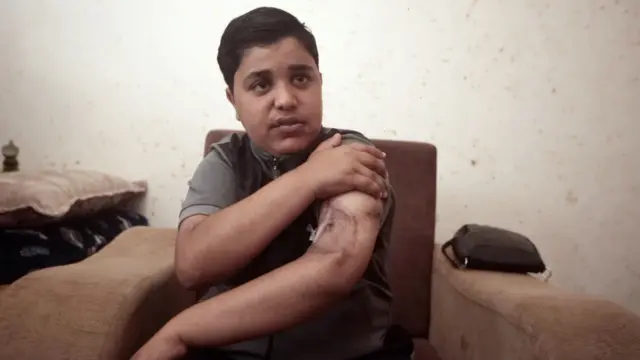
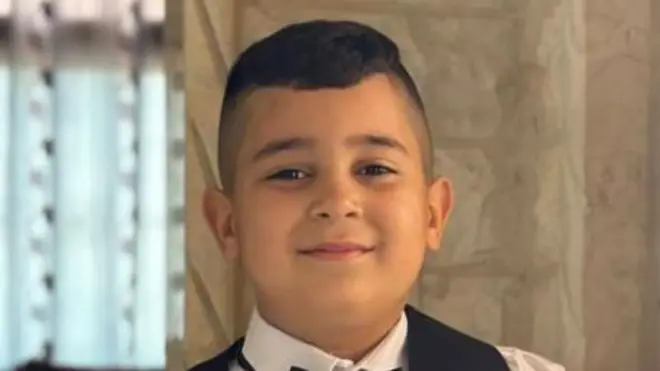
Abdullah bin neearly reach 13 years wen Hamas launch im 7 October attacks on Israel.
Until den, im life for al-Tawam neighbourhood of northern Gaza bin be mix of school, football wit friends, trips to beach and fun wit im parents, broda and two sisters.
Di day bifor im birthday, flyers fly down all over di area, ordering residents make dem run go south.
Im famliy quickly pack important tins, begin drive down Salah al-Din Road, wey dem say na designated safe evacuation route by Israeli military.
But as dem dey speed along di road, im say, Israeli air strike hit dia vehicle.
“Di tin throw me and my broda Ahmad into di air, out of di car,” Abdullah remember.
Ahmad bin dey 16 dat time. Dem don amputate one of im leg, and na iron hold di oda one togeda.
Shrapnel cut into Abdullah arm, head, back and mouth. Im lift im cloth to reveal two long scars on im belle.
Dem later find di deadi body of im papa, mama and uncle burned and in pieces, relatives tell BBC.
Abdullah, im family and several witnesses don tell BBC say dem fire one missile from one drone.
Israeli military reject claims say im strike any convoy of civilians dat day, describing dis as “false allegations”.
“Afta one thorough examination, e no get any evidence to show say IDF conduct strike for di location,” one tok tok pesin tell BBC.
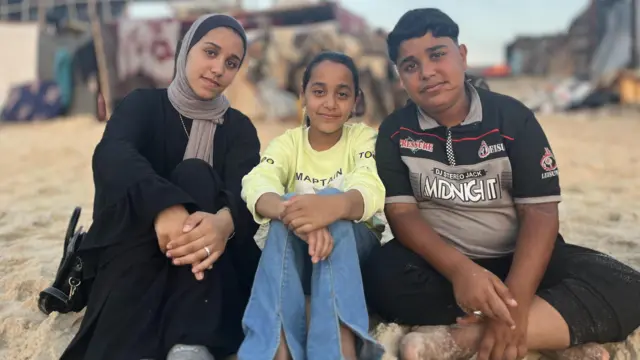
Abdullah remember as hospital staff bin dey avoid im questions about im parents.
Wen im cousin and grandmother eventually break di news, im say na confirmation of wetin im bin already know deep down. “I bin don feel am all along,” im say.
“If to say dem bin martyr me, e for beta dan wetin dey happun to me now,” im add.
“I feel like my arm already dey amputated,” Abdullah tok as e look down at di scar wey tear im left arm.
“Dem try to fix am, but all na for nothing.” Im say im dey dey in constant pain.
Abdullah dey now live wit im grandmother for Khan Younis, southern Gaza, along wit im two sisters, 18-year-old Minna, and Hala, age 11.
Di day dem kill dia parents, di two girls bin still dey northern Gaza as enof space bin no dey di car for dem.
Ahmad dey Qatar for ongoing treatment.
“Laff and good times don go, now we don lost our mother, father, and uncle,” Abdullah tok. “Dem be source of happiness for di whole family.”
“We no dey truly live witout dem.
“We bin dey go to school, to play and laff,” im say. “Gaza bin dey beautiful, but everytin don go.”
E say im don lost contact wit some of im friends, while di war don kill odas.
“Dis na message to Israel. Dis na wetin you do to me, to us. You take away my parents. You take away my education. You take everytin from me.”
'I bin dey oddly relieved say I lost only one leg’
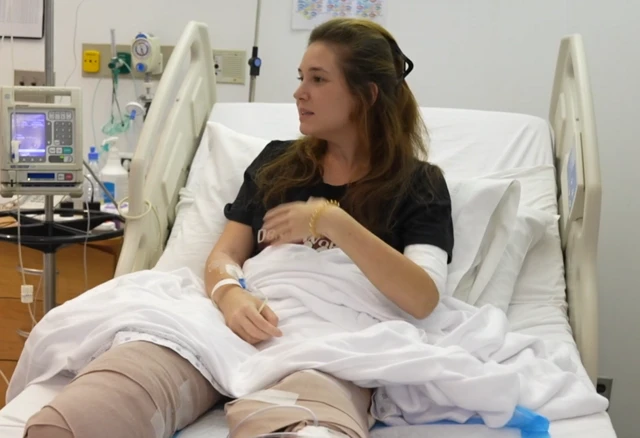
Wia dis foto come from, Handout
“I bin dey introduce myself as photojournalist. Today, I say I be war crime survivor,” Christina Assi say.
She bin jump at opportunity to return to her home kontri, Lebanon, to cover fighting across im southern border as photojournalist for global news agency AFP.
For di begining of di 7 October attacks, Lebanon armed group Hezbollah begin firing rockets into Israel, triggering cross-border exchange wey don since enta di level of large-scale conflict.
On 13 October last year, Christina and one group of journalists go one village for southern Lebanon, about 1km from di border wit Israel, wia clash bin dey happun.
Christina, 29, say her group bin wear press jackets and helmets, while dem mark dia car "TV" wit yellow tape on im bonnet. She dem bin tink say dem go dey safe.
Suddenly, dem begin shooting. Di next tin Christina remember, she dey try run from one car wey dey burn next to her.
Wit di weight of heavy bullet-proof vest and her camera, she struggle to move. “I bin fit see say my leg dey bleed seriously, and I bin no fit stand up,” she remember.
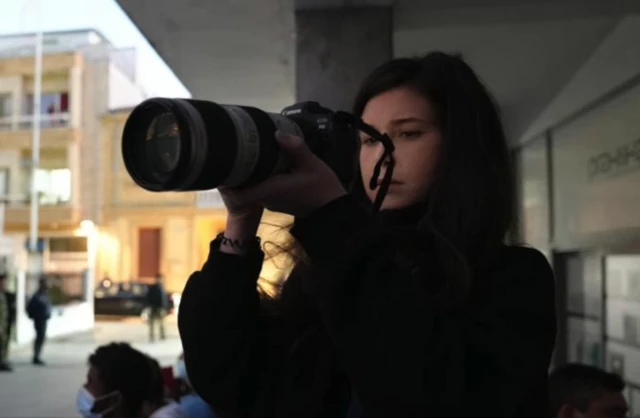
Wia dis foto come from, Handout
Twelve days later, Christina wake up for hospital. “I bin dey oddly relieved to find out say na only one leg I lost, no be two.”
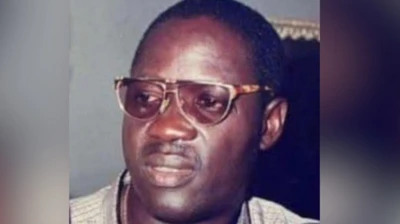
Di attack claim di life of Reuters journalist Issam Abdallah, aged 37 years, and wunjure six odas. “Wen one nurse asked me who e kill, I frantically look for im name online. I bin no believe di headlines,” she say.
One investigation wey United Nations Interim Force for Lebanon do say Israel fire two 120mm shells at di group of “clearly-identifiable journalists” in violation of international law.
Rights groups don also say make dem investigate di strike as possible war crime.
Israel military (IDF) tell BBC say sojas bin suspect “terrorist infiltration” into Israeli territory dat time wey di tin bin happun and dem use tank and artillery fire to prevent dis. E add say di incident dey under review.
Now, one year later, Christina dey still try understand her new reality.
She say she dey feel anger and frustration at wetin happun to her: “You lose trust in evri tin – in di international community and in di laws wey I bin once believe say e go protect me as journalist.”
Christina kontinu dey receive treatment but she neva fit still waka.
In July, she carry di Olympic flame inside wheelchair, along wit colleagues from AFP, to honour journalists wey dem don wunjure or kill around di world.
Despite wetin bin happun to her on 13 October, she hope to return to di field.
“Di day I go fit to stand, waka, carry my camera, and return to my work and di tins wey I love again, dat wen I go get triumph,” she say.
‘I started shouting but he didn’t respond’
Wia dis foto come from, Family photo
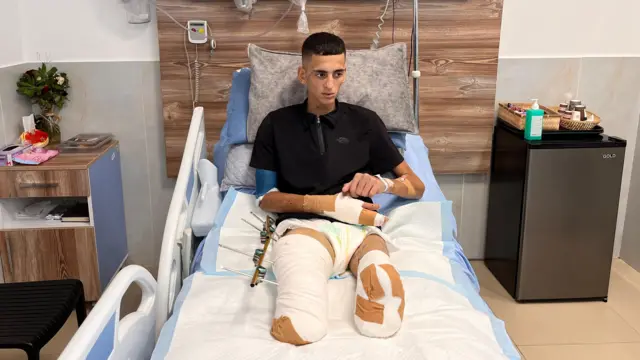
Na evening. Abdulrahman Al Ashqar say im and im friend, Laith Shawahneh, bin dey waka down di street, smoking cigarettes afta dem sell corn di whole day.
“All of a sudden, dem bomb us, just like dat,” 18-year-old Abdulrahman remember of di night of 1 September.
Strike from one Israeli aircraft bin hit di teenagers for Silat al-Harithiya, one village for Israeli-occupied West Bank.
Abdulrahman remember hearing di sound of rocket but bin no get time to react. “I only manage to take one step,” im tok. “I begin shout out to Laith, but im no respond.”
Laith, 16 years, dem kill am, while Abdulrahman wunjure seriously, wit im two legs needing amputation from below di knee.
Abdulrahman say im wake up 10 days afta di strike, and dem tell am say im heart stop three times.
E still dey hospital, im list of injuries long. Dem fit metal plates into one of im hands, two of im fingers dey badly damaged, and im belle bin require multiple surgeries.
Di physical pain dey constant, im say.
West Bank don see more violence since 7 October. Raids don kill hundreds of Palestinians for raids wey Israel say dem do to stop deadly attacks dia and for Israel.
Wia dis foto come from, Family photo
Bifor di strike, Abdulrahman bin dey live life of simple routines. Morning prayers followed by breakfast wit friends, den help im papa wit errands and selling corn.
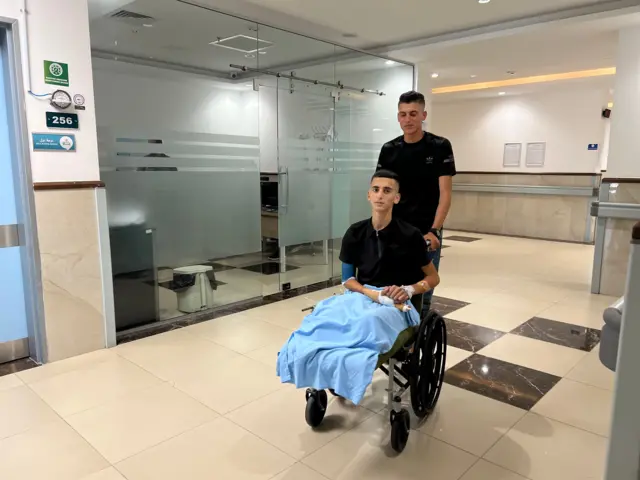
Now im dey rely on im broda to help am wit basic tasks like going to bathroom. Im mama dey feed am.
BBC don approach IDF for comment. At di time of di strike, IDF say one aircraft attack and hit “one terrorist cell shortly afta dem see am dey throw explosive devices at forces wey dey operate for Jenin area of Menashe Brigade”.
Wen we ask am weda im bin dey armed or carry any kain weapon, im reply: “Armed how? I bin just dey leave di house. Walking normally for street and wearing white. I bin just dey go out.”
Im bin dey dream of getting im driving licence and owning a car. “If e get anytin wey I wish for today, na simply to waka,” im say.
Reporting by BBC Arabic's Michael Shuval, Haya Al Badarneh, Manal Khalil, Eman Erikat and Alaa Daraghme. Produced by Dima Al Babilie