We are going to see things we have never seen beforepublished at 10:35 BST
 Pallab Ghosh
Science correspondent
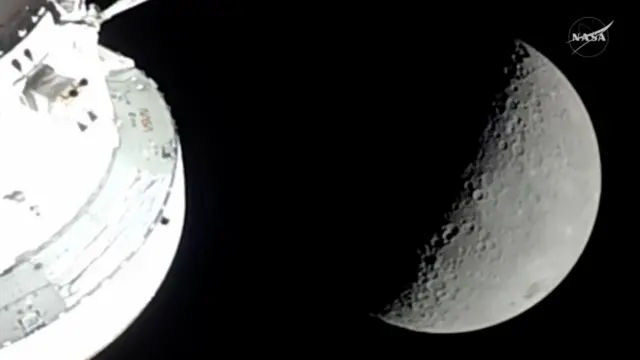 Image source, NASA/Reuters
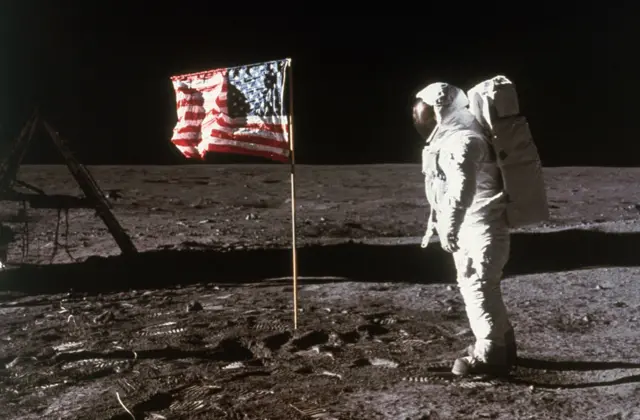
It's a story of inspiration and a story of science. For me, it had echoes of the Apollo programme.
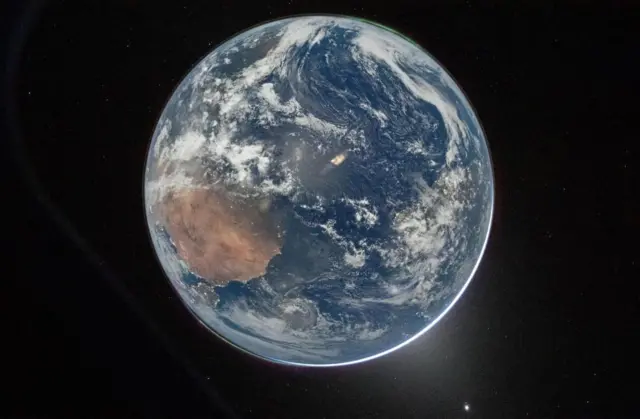
At a time when this world does not have enough optimism, this was a moment in time when we could forget we're a planet that has a war. We can see that picture of the Earth and look at it as one planet.
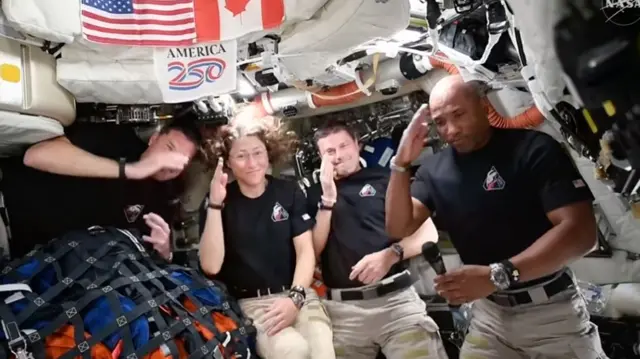
The most moving moments were the human ones. You could hear the crackle of emotion in the astronauts' voices when they named a crater after Reid Wiseman's wife.
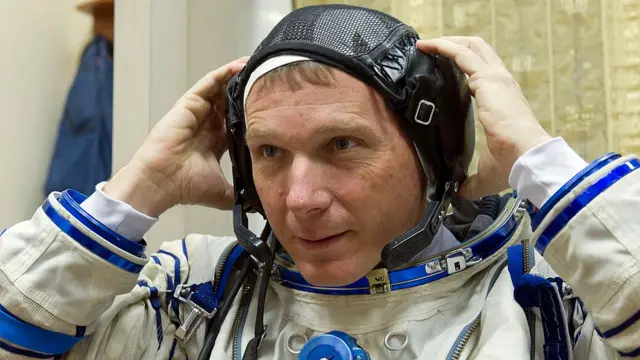
This is the difference between this mission and other recent robotic ones - you have four people out there being our eyes and our eyes and transferring their love of the Moon to us.
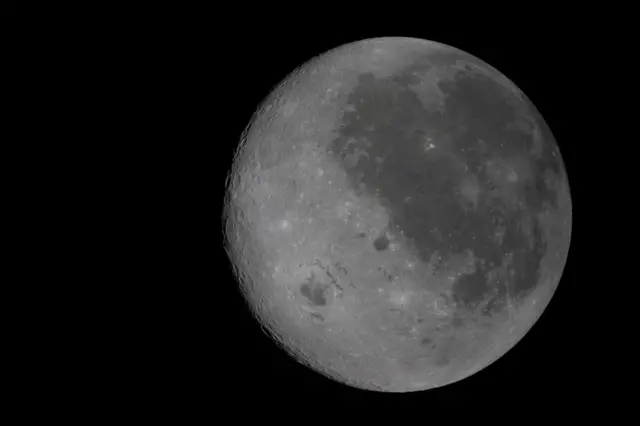
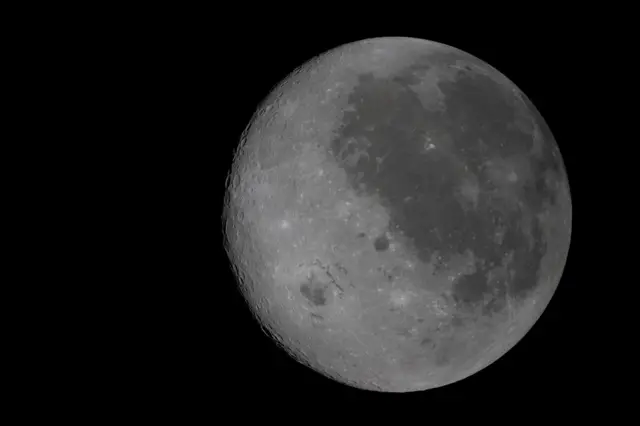
What we haven't seen are the pictures from the crew. We are going to see things no human has seen before - the Moon has features and terrain we have never seen.
That's important because it's a record of what happened to our own planet as it was forming. The images from the astronauts are going to be analysed, and we are going to be in for a treat over the coming days and weeks as we start seeing what the astronauts saw.
This is not the end of the story by any means, this is just a test flight for an eventual landing on the Moon - not just one, but many more to come.
Our coverage is now pausing as the spacecraft's journey back to Earth continues and the crew get some sleep. You can read more about the mission here.
As things stand, the astronauts are expected to splashdown off the coast of San Diego at approximately 17:07 local time on Friday 10 April (20:07 eastern time and 01:07 BST on Saturday) - we'll be bringing you live coverage of that moment.