What does this mean for Nepal’s political struggles?published at 08:04 GMT
Amish Raj Mulmi
Analyst based in Kathmandu
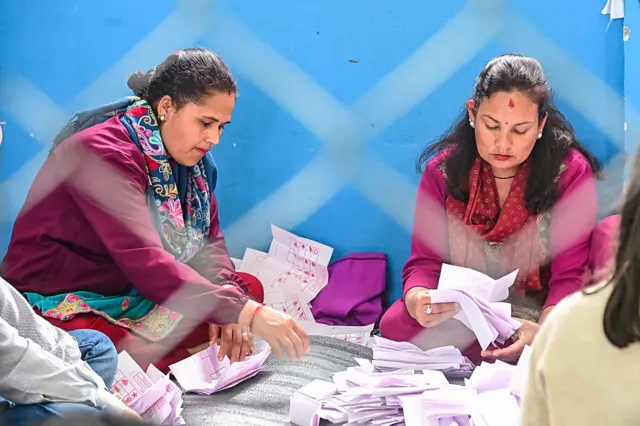 Image source, Getty Images
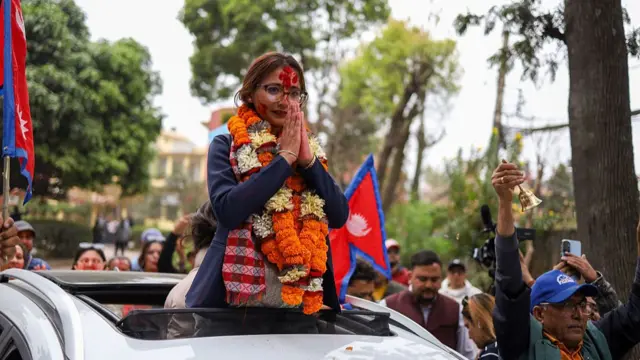
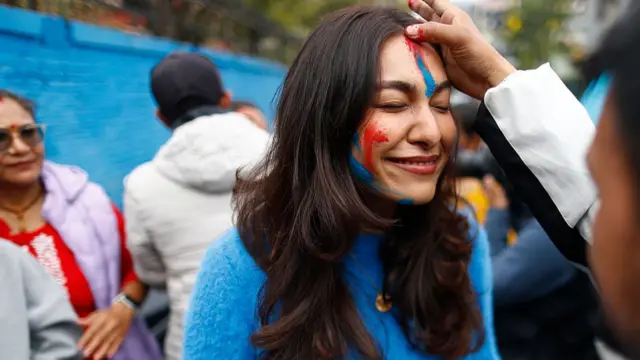
Firstly, the victory of several women candidates - by large margins - will give impetus to the discourse around gender equality, but will need to be translated into action before one can say women are represented equally in Nepali politics.
Secondly, Communism has been the ideology of choice for historically marginalised groups, but communist parties have never delivered on their promises. This verdict is a historic loss for the ideology, and the question now is will they be able to recover from here on out? If not, this election may mark the demise of communism in Nepal.
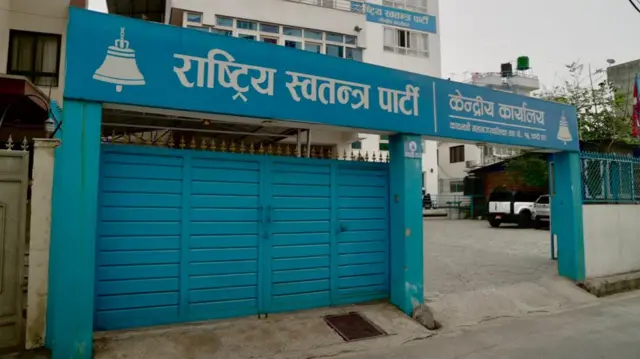
Third, the focus on better governance and anti-corruption by the RSP suggests the party sees economic reforms and growth as critical to both social and political uplifting of marginalised groups, a contrast to earlier parties which promised political representation as the panacea to marginalisation.
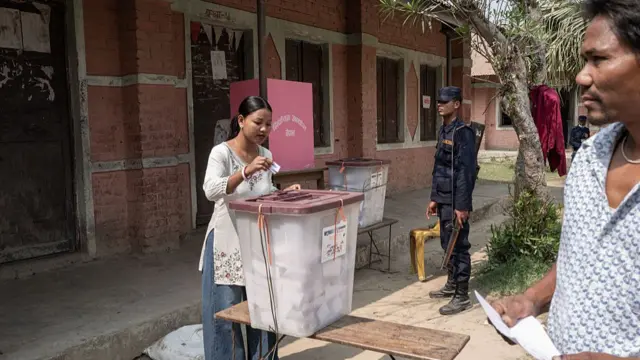
For now, hope has once again returned to Nepal. September’s protests and the killings of youths, the widescale rioting and destruction, and the ensuing political morass meant Nepal’s democracy itself was in danger.
The election and its results are a timely reminder that Nepal’s sovereignty democracy rests with its people, who have delivered a thumping message of optimism at the ballot box.
The RSP goes into government with high expectations, but they will be watched closely. If the party begins to behave like older parties did, it will once again raise questions about Nepal’s fragile republic. The onus is now on them to ensure this doesn’t happen.