The Gulf is vulnerable – and the implications for its people are massivepublished at 08:22 BST
Katy Watson
BBC correspondent in Doha
With talk from Donald Trump of wanting to ‘take the oil in Iran’, Gulf states will today be thinking through the repercussions of such an operation.
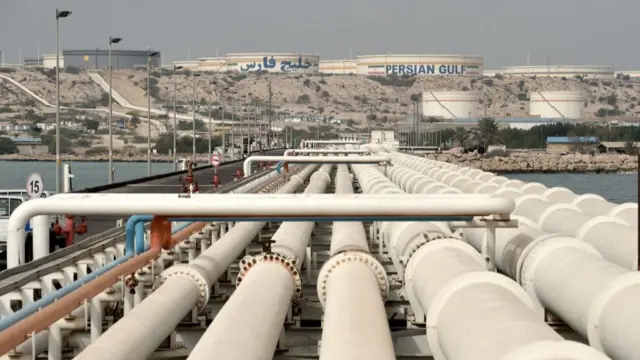
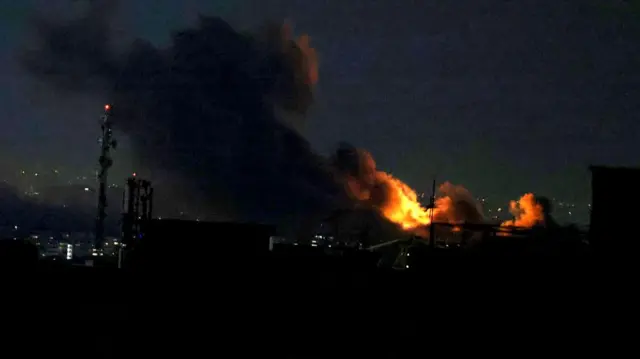
There’s a clear tit-for-tat going on – when Iran’s energy infrastructure gets hit, the Gulf can expect missiles and drones on infrastructure here too.
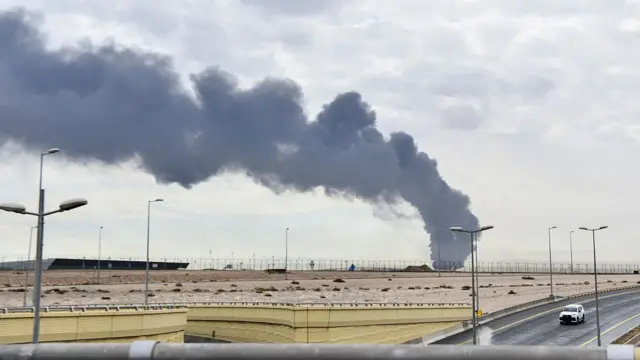
Earlier this month, Qatar’s Ras Laffan liquefied natural gas facility was attacked after Israel targeted Iran’s South Pars gas field.
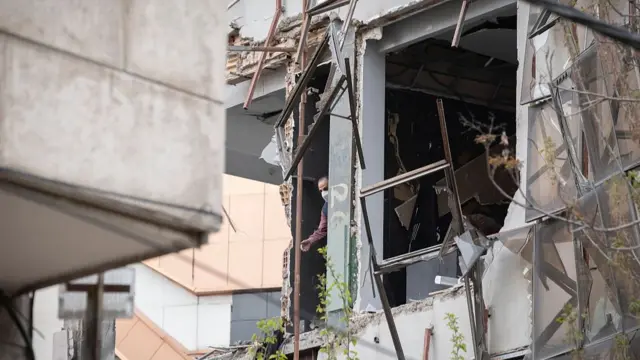
Overnight, an Iranian electricity facility was hit and then Kuwait reported an attack on one of its power and desalination plants, resulting in one Indian worker being killed and significant damage to the facility.
Leaders from across the Gulf have condemned the attack.
Escalation is a massive worry - this part of the world is hugely vulnerable to hits on its energy infrastructure.
The Gulf is an arid desert where natural freshwater is scarce and so hundreds of desalination plants, which convert sea water into drinking water, make this part of the world liveable.
With 90% of drinking water in the Gulf coming from desalination plants, it’s clear that if those facilities are inoperable, the Gulf is vulnerable – and the implications for its people are massive.
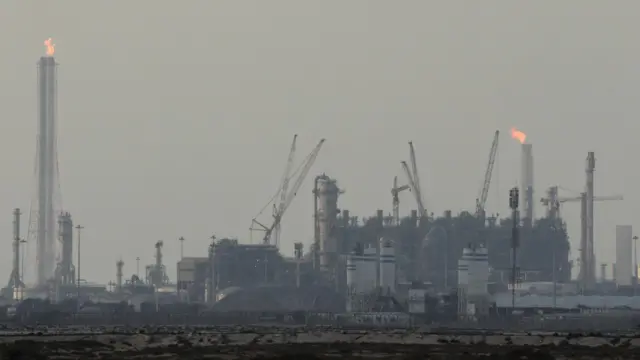 Image source, Reuters
QatarEnergy's operating facilities in Ras Laffan Industrial City, seen earlier in March