Interview with Gillian Burke
Interview with Gillian Burke
Published: 18 October 2017
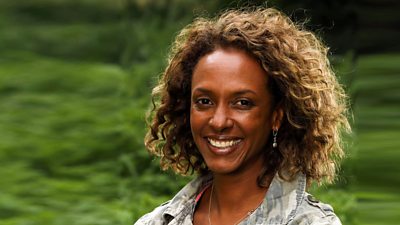
My favourite thing about autumn? Picking blackberries with my kids and watching how nature responds to the way our lovely little planet circles around the sun
What’s the best thing about working on Autumnwatch?
I'm getting a 'good to be back' buzz! After a welcome break over the summer, it's exciting to feel 'The Watches' kick into action. From this point forward, we all know it's going to come thick and fast from autumn, through the winter and into spring.
What is your favourite thing about autumn?
Apart from heralding the start of the party season? Picking blackberries with my kids. And, of course, like with every season, watching how nature responds to the simple fact that that our lovely little planet circles around the sun tilted on its axis.
What are you looking forward to about the new series?
Feeling like an undercover detective as we stakeout a family of urban foxes. Autumn is a rough time for city foxes, especially the youngsters. Remote cameras will hopefully capture the comings and goings of all the players, helping us to get to know the individuals and how they wise up in preparation for the long winter ahead.
What is your favourite memory of working on Autumnwatch?
So hard to choose... seeing a fully-mature male Ladybird spider has got to be a highlight. But I also really loved my night out surveying bats on the wind-swept Dorset coast. It was an inky black night and the sound of the waves, along with the taste and smell of the sea, had all the senses firing. With that as a backdrop, numerous species of bats appeared out of the dark. It was a privilege, and an absolute laugh, to work with the local bat group as they worked through the night.
What’s the best thing about hosting a live TV show? Do you get nervous or excited? How do you prepare / deal with anything that doesn’t go to plan?
The crazy thing about live TV is, no matter how much you might try, it's impossible to fully re-create the experience of a live broadcast. So I reckon the only way to prepare is to just do it. It helps that every single person on the team is utterly professional and completely bonkers all at the same time.
What are your top tips for people at home to be more wildlife friendly in autumn?
Do less! Don't be too tidy in the garden. Dump logs, branches and cuttings and cover them with raked leaves and grass-clippings as an easy and fuss-free way of creating habitats for wildlife. Leave fallen fruit and berries - they're great autumn food for birds and insects. Log piles in a shady corner can offer valuable shelter for hibernating hedgehogs. If you're too wiped by the weekend to tidy up the garden, here's your perfect excuse. You're welcome.
Highlight films
Willow Emerald Damselfly
A shimmer of metallic green and a flicker of delicate wings, the spectacular Willow Emerald Damselfly is a recent colonist to the UK - first appearing in recordable numbers in 2009. Unusually for damselflies, this species is an autumn breeder, laying their eggs in a surprising place, well out of the water. We follow their story; from the mating dance to egg laying in the last of summer warmth.
Fulmars - the flying dustbins
Raymond Besant is a cameraman with a passion for fulmars. He learnt his trade filming these beautiful seabirds in Scotland but more recently has noticed a worrying trend. They gained their dustbin nickname as they skim food off the surface of the ocean – but as our oceans become increasingly choked with floating plastic debris, the fulmars are filling up on rubbish rather than food.
Harvest Mouse house
With a name that screams autumn, the harvest mouse is Europe’s smallest rodent and one of our most industrious. Its extreme small size means that it has to keep itself constantly busy to survive. During the autumn the cycle of eating, building nests and staying away from predators is a full-time job.
Tadpole shrimp - a dinosaur in your puddle
In a few small areas of the UK, a prehistoric-looking animal prowls the puddles. The tadpole shrimp is a freshwater crustacean with a remarkable lifecycle. Lying dormant in soil for the summer, the eggs start to hatch as the water builds in an ephemeral pool. It’s then a race against time for these line-like creatures – they need to eat, mate and lay their own eggs before everything dries up once more.
People-led films
Rob MacFarlane on JA Baker
Twenty five years ago renowned nature author Rob Macfarlane read a book that changed his life: JA Baker's The Peregrine. In this beautiful film, Rob explores the extraordinary writing that makes this book stand out, and looks at its legacy on the 50th anniversary of its publication.
The Illustrators
Brothers Richard and Ian Lewington are the most prolific and respected wildlife illustrators of their time. They’ve illustrated some of the most famous and well know wildlife identification guides used by countless naturalists worldwide. We delve into their lives to discover what inspires them and follow the process of how they create their exquisite anatomically accurate creations.
Westonbirt Poetry
Marchant has cerebral palsy but won’t let that get in the way of his twin passions - writing poetry and being among the trees. This year he has brought them together in a remarkable exhibition at Westonbirt Arboretum, exploring some of the iconic individual trees in the UK’s most famous collection through verses hung from their boughs for all to enjoy.
Kate MacRae’s badger sett
Kate has been a friend of the show for many years often ahead of the team in developing and trying new technologies for herself. Over the last year she fulfilled a long-held ambition, tempting badgers into a specially designed filming sett to reveal some incredible and intimate behaviour.