Ethiopia
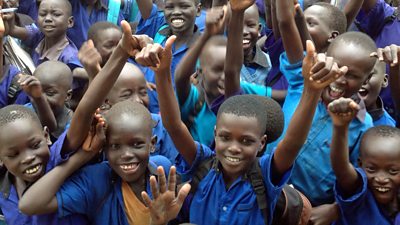
Our work in Ethiopia includes developing local media and supporting and inspiring young people
- Our office: Addis Ababa
- Our areas of focus: media development, digital media literacy, mine awareness
- Our donors and partners: UK Foreign, Commonwealth and Development Office, European Commission, Global Affairs Canada, United Nations Mine Action Service, David and Lucile Packard Foundation
- On social media: BBC Media Action Ethiopia is on Facebook and on X.
About our work
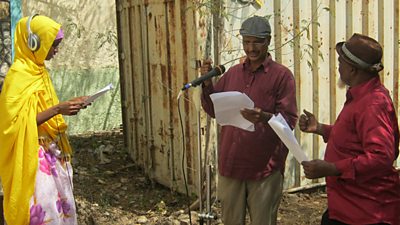
BBC Media Action has been working in Ethiopia since 2001 to provide people with reliable, trusted information to help keep themselves and their families safe and healthy, as well as building the capacity of local public-interest media.
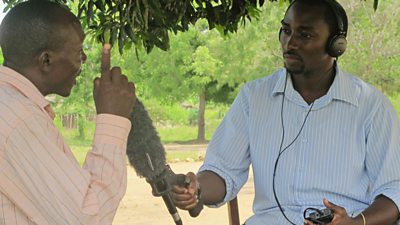
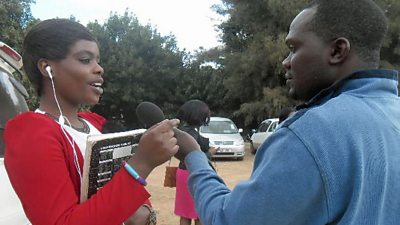
Much of our work is focused on improving media literacy and supporting healthier information ecosystems. Through the Public Interest Media and Healthy Information Environments (PIMHIE) initiative, which builds on previous media development work, we support independent media outlets to increase public interest content and tackle harmful information while remaining economically viable and resilient. Our European Commission funded Brave Media project also supports locally led solutions that strengthen media networks and ensure communities continue receiving trustworthy information.
Recently, we've worked to with media partners on more conflict-sensitive and inclusive reporting as well as increasing media literacy among young people, particularly around mis- and disinformation and fact-checking. This included the production of our podcast “Le’Arada” (አራዳ) which in Amharic means being “cool” and “active,” reflecting the podcast’s aim to appeal to digitally engaged audiences and strengthen their ability to navigate misleading information.
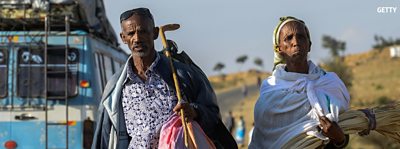
We have also been working hard to raise awareness around the risks of unexploded ordnance in Ethiopia, particularly in the northern Afar and Tigray regions. We’ve supported mine risk awareness campaigns and the distribution of banners, leaflets, and posters that ensure individuals know how to recognise the risks and use the toll-free centre for assistance. We also record explosive ordnance locations and take pictures in each woreda. The campaign has changed people's attitudes and helped raise awareness about the dangers of mines.
Previously, our BabyWASH initiative encouraged better hygiene among caregivers of children under three to reduce often-fatal childhood diarrhoea. Our popular radio shows - Jember and Biiftuu Jireenya - promoted reproductive, maternal, neonatal and child health, reaching a combined 21 million people over three years. We have also produced media addressing migration, sharing the daily realities of refugees, countering harmful rumours, offering hope, and explaining the dangers of unsafe or irregular migration.
Latest news from Ethiopia
Our insight and impact
Use our research library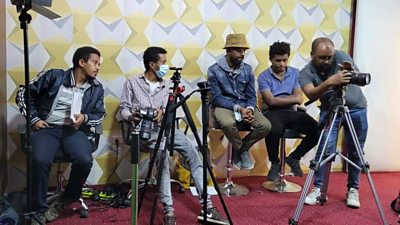
Helping media partners better understand and engage their audiences
This summary looks at findings from ongoing research under the PRIMED project, which helps media partners build a picture of audience profiles and needs to equip them to improve output.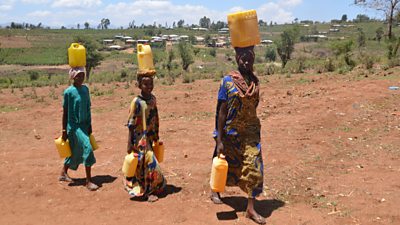
What role can communication play in supporting young Ethiopians to succeed in employment?
These five research briefings sought to better understand young people in Ethiopia, by assessing their information needs, the networks that impact their decisions and community roles, and the role of media and communication in supporting them to realise their aspirations, succeed in employment, and lead healthy, active lives.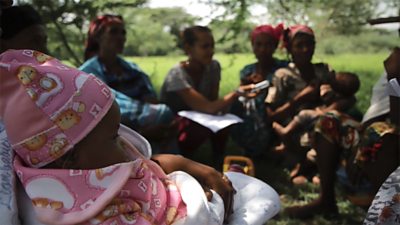
How is a radio drama helping to improve water, sanitation and hygiene (WASH) among young children and their caregivers in Ethiopia?
Diarrhoea poses a great risk to young children in Ethiopia, and high rates of communicable disease - including diarrhoea - are linked to dirty water and poor sanitation and hygiene practices, our 'BabyWASH' project aimed to change that.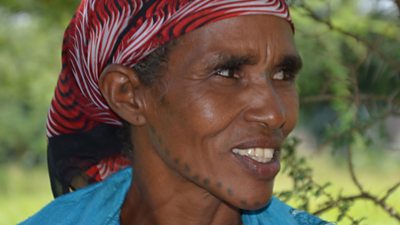
Improving reproductive, maternal and newborn health using health communication in Ethiopia
BBC Media Action (funded by a Global Grant from the UK's Department for International Development) embarked on a project that aimed to improve reproductive, maternal and child health in Ethiopia. This report evaluates the impact of the project over five years.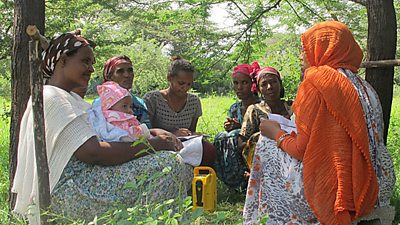
How listening groups are adding value to the Ethiopian Health Development Army
This summary describes how volunteers gain new, valuable knowledge about maternal and child health.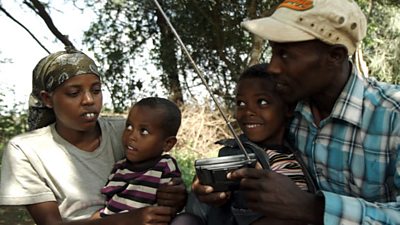
Story of change: Dugo Boru and Aye Bejiga, Ethiopia
Dugo Boru wouldn't allow his pregnant wife Aye Bejiga to visit a health centre. But the radio programme Biiftuu Jireenyaa helped him change his mind.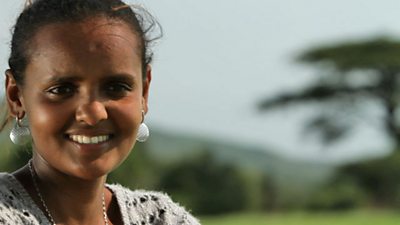
Story from our work: Hilina Assefa, Ethiopia
Watch how our radio programmes in Ethiopia give pregnant women and their families valuable health information. Hilina Assefa describes why the programmes are underpinned by rigorous health research.
Past projects and resources

Improving maternal and neonatal health in rural Ethiopia
Radio programmes Biiftuu Jireenyaa and Jember delivered life-saving information to women and their families.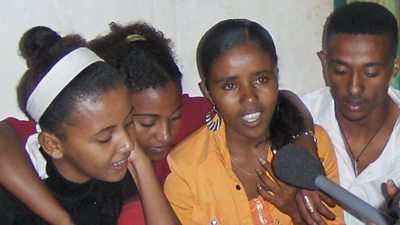
Breaking the silence around sexual health in Ethiopia
From 2006 to 2010, a pioneering radio programme for young people helped to encourage discussion about sexual health issues in Ethiopia by bringing taboo subjects to the fore.