_____________________________________________________________________________________________________
Download a free 6 Minute English worksheet and transcript!
Try our free interactive quiz!
______________________________________________________________________________________________________
Try more episodes of 6 Minute English:
______________________________________________________________________________________________________
Introduction
Many of us like to visit museums to see ancient artefacts in person – it's an exciting way to learn about the history and culture of different civilisations. But did you know that there are criminal networks which steal and trade these ancient objects? Neil and Beth discuss this and teach you some new vocabulary.
This week's question
Which famous ancient artefact was discovered in the Valley of the Kings by Egyptologist Howard Carter in 1922?
a) the Rosetta Stone
b) the Mask of Tutankhamun
c) the Ark of the Covenant
Listen to the programme to hear the answer.
Vocabulary
artefact
object made by humans, such as a tool or decoration, which is of historical interest
looted
forcefully stolen
game changer
new element that is introduced into a situation and completely changes how it operates
bottleneck
problem that delays a process or stops it from progressing
repatriate
return something or someone to the country they originally came from
middle-of-the-road
not extreme; acceptable to most people

TRANSCRIPT
Note: This is not a word-for-word transcript.
Neil
Hello, this is 6 Minute English from BBC Learning English. I'm Neil.
Beth
And I'm Beth. Neil, what is the oldest thing you have at home?
Neil
Ooh… well, I do have some books from when I was a child.
Beth
I have a rocking horse that was my dad's, so that is quite old. But neither of these are anywhere near as old as the 1,800-year-old Roman coin which BBC reporter Ryan Keane recently bought in London. But soon afterwards, Ryan discovered there was more to the story, as he explains here on BBC World Service programme Business Daily:
Ryan Keane
But as I researched into other kinds of ancient artefacts I could acquire, I came across reports of expansive criminal networks related to antiquities. Some ancient artefacts being sold online and in stores have been looted and trafficked.
Neil
Ryan got interested in artefacts from Egypt, Greece and Rome. An artefact is any object made by humans, usually very old, which is historically interesting – for example, a coin or statue.
Beth
In the past, many artefacts have been looted – or stolen by force. Movies like Indiana Jones and Tomb Raider have made the subject popular, but the theft of ancient objects is a serious problem in some parts of the world. So, what can be done about it? That's what we'll be discussing in this episode, using some useful new words and phrases.
Neil
And remember – you'll find all the vocabulary from this episode on our website, bbclearningenglish.com. Now, I have a question for you, Beth. One of the most famous ancient artefacts was discovered by Egyptologist Howard Carter in the Valley of the Kings in 1922, but what was it? Was it:
a) the Rosetta Stone,
b) the Mask of Tutankhamun, or
c) the Ark of the Covenant?
Beth
Oh, I think it's b) the Mask of Tutankhamun.
Neil
OK. Let's find out later in the programme. Stealing ancient objects is nothing new. During colonial times, it was common for artefacts to be taken from their original home and moved to museums and private collections abroad. In the modern era, technology, especially social media, has increased the problem. Here's, Amr Al-Azm, a researcher from Shawnee State University in the US, explaining more to BBC's Business Daily:
Amr Al-Azm
Social media is the game changer here. The bottleneck, if you will, was how does someone who has an item then communicate with someone on the demand side? It used to slow the process – you had to go through intermediaries. Social media changes all that because it just opens it up.
Beth
Amr calls social media a game changer – something new that is introduced into a situation and completely changes how it works. For example, the internet has been a game changer in how we communicate.
Neil
The reason is simple. For someone with illegally stolen artefacts to sell, finding a buyer used to be difficult. Amr thinks that now, because of social media, this problem, or bottleneck, is gone. A bottleneck is a problem that delays a process or stops it from progressing.
Beth
So, what can be done to stop the illegal buying and selling of ancient artefacts? Well, as the final destination for much looted treasure, museums have an important role to play. Accusations of knowingly or unknowingly buying stolen objects have been made against several museums, including the Louvre in Paris.
Neil
Victoria Reed is senior curator at the Museum of Fine Arts in Boston. In 2024, she helped her museum return an ancient necklace which had been taken illegally from Turkey in the 1970s. But the idea of returning artefacts to their country of origin, something known as repatriation, is controversial, as Victora told BBC programme Business Daily:
Victoria Reed
Outside of the museum world, of course, there are many opinions, and I personally try to maintain a relatively middle-of-the-road approach. I believe in museums, I believe in responsible collecting and I believe in judicious repatriation decisions.
Beth
There are arguments both for and against repatriating artefacts, and Victoria takes a middle-of-the-road approach. If you describe something as middle-of-the-road, you mean it's not extreme and is acceptable to most people.
Neil
Whether ancient artefacts find their way back to their original homes or are displayed in museums remains an ongoing debate, but either way it's good to know that objects of culture and beauty are being preserved for future generations. OK. I think it's time to reveal the answer to my question. I asked what the Egyptologist Howard Carter discovered in the Valley of the Kings in 1922. Was it: a) the Rosetta Stone, b) the Mask of Tutankhamun, or c) the Ark of the Covenant?
Beth
And I said, "The Mask of Tutankhamun."
Neil
And you, Beth… were right.
Beth
Yes!
Neil
OK. Let's recap the vocabulary we've learned, starting with artefact – any object made by humans which is of historical interest.
Beth
If something is looted, it's stolen by force.
Neil
A game changer is a new element which, when introduced into a situation, completely changes it.
Beth
A bottleneck is a problem that delays a process or stops it from progressing.
Neil
To repatriate something means to return it to the country it came from.
Beth
And finally, the adjective middle-of-the-road describes things which are not extreme and are acceptable to most people. Once again, our six minutes are up. If you enjoyed this programme, why not check out the accompanying worksheet and quiz? They're both available now at bbclearningenglish.com. See you there soon and goodbye.
Neil
Goodbye!
Next
[Next link]
[Find more programmes like this on ___ ]
Find an A-Z list of our programmes.
ሐድሽ ፓድካስትታት ተመልከት 6 Minute English
Was Christmas better in the past?
Episode 251225 / 25 Dec 2025
Beth and Neil talk about a strange emotion we can feel at Christmas called nostalgia
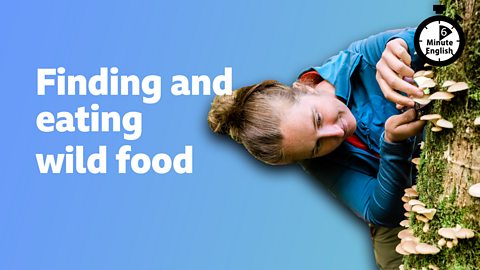
Finding and eating wild food
Episode 251218 / 18 Dec 2025
Would you know how to spot a Death Cap mushroom?
How are horses helping to heal humans?
Episode 251211 / 11 Dec 2025
Could your next therapist be a horse?

What’s your favourite flavour of crisp?
Episode 251204 / 04 Dec 2025
Have you ever tried a crisp sandwich?

How are influencers affecting politics?
Episode 251127 / 27 Nov 2025
Do you follow politics on social media?

Do you have good dining etiquette?
Episode 251120 / 20 Nov 2025
What's the worst thing someone can do while eating?


Is breakfast the most important meal of the day?
Episode 251030 / 30 Oct 2025
Do you usually have a big breakfast, or do you skip it?
Did a civilisation exist on Earth before humans?
Episode 251023 / 23 Oct 2025
Have you ever heard of the Silurian hypothesis?

Are we too fixated on protein?
Episode 251016 / 16 Oct 2025
Is our enthusiasm for protein taking our attention away from other important food groups, like fibre?

What makes a good citizen?
Episode 251009 / 09 Oct 2025
Is a good citizen someone who votes and follows the law? Or is there something more to it?

Have you ever seen a whale?
Episode 251002 / 02 Oct 2025
How have humans treated whales throughout history?
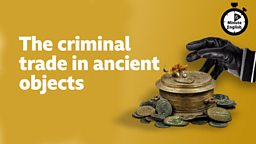
The criminal trade in ancient objects
Episode 250925 / 25 Sep 2025
How are criminals making money from stolen artefacts?

Would you like a robot companion?
Episode 250918 / 18 Sep 2025
How would you feel if you shared your home with a robot?
What causes hearing loss?
Episode 250911 / 11 Sep 2025
As we get older, our hearing naturally gets worse. But what are the causes of this decline?

The joys of writing lists
Episode 250904 / 04 Sep 2025
Shopping lists, to-do lists, check lists – when was the last time you made, or followed, a list?

What's it like to be a twin?
Episode 250828 / 28 Aug 2025
What question would you most like to ask a twin?

What's your favourite snack?
Episode 250821 / 21 Aug 2025
Do you prefer healthy, homemade snacks... or modern, packaged goodies?

Grown-ups buying kids’ toys
Episode 250814 / 14 Aug 2025
Did you know that some adults play with children's toys too?

What is the manosphere?
Episode 250731 / 31 Jul 2025
Have you ever come across a so-called masculinity influencer on social media?
How can we help wild bees?
Episode 250717 / 17 Jul 2025
Did you know that many species of wild bees are endangered in the UK? What can we do to help?

Do you need to declutter your home?
Episode 250710 / 10 Jul 2025
Is your home neat and tidy? Or is it full of stuff you no longer need? You might need to declutter!
How do you say sorry?
Episode 250703 / 03 Jul 2025
Different cultures apologise in different ways. How do people say sorry where you are from?

Are plant-based substitutes healthier than meat?
Episode 250626 / 26 Jun 2025
Processed meat has been shown to be bad for our health, but are plant-based meat substitutes any healthier?

How do babies communicate?
Episode 250619 / 19 Jun 2025
What does it mean when newborn babies wave their arms and legs about?

Can climate change affect our mental health?
Episode 250612 / 12 Jun 2025
Is your mental health being affected by climate change?
How important is politeness?
Episode 250605 / 05 Jun 2025
How would you greet somebody you didn't know?

What's your favourite kind of noodle?
Episode 250529 / 29 May 2025
How much do you know about noodles?

Which cooking oil is the best?
Episode 250515 / 15 May 2025
Are some cooking oils better for your health than others?
Should animals be kept in zoos?
Episode 250508 / 08 May 2025
Are zoos an important scientific resource, or an unnecessary abuse of animal rights?
Can cows prevent wildfires?
Episode 250501 / 01 May 2025
How are cows helping to prevent wildfires in Spain?

How climate change affects animal migration
Episode 250424 / 24 Apr 2025
How is climate change affecting animal migration?
Can AI solve crime?
Episode 250417 / 17 Apr 2025
Could artificial intelligence be used to solve a murder?

Are we getting more allergic to things?
Episode 250403 / 03 Apr 2025
Do you know anyone who has 50+ allergies?
Can we boost the immune system?
Episode 250327 / 27 Mar 2025
Can ginger shots, turmeric and cold water swimming boost your immune system?


Should we eat less rice?
Episode 250313 / 13 Mar 2025
Is it possible to grow rice in a more eco-friendly way?


Young women on social media
Episode 250220 / 20 Feb 2025
How do women in different countries experience the online world?

Rage bait: How online anger makes money
Episode 250213 / 13 Feb 2025
How do people make money from rage bait?


How the world learned to love fast food
Episode 250123 / 23 Jan 2025
How did fast food spread around the world?

Which country has the best schools?
Episode 250116 / 16 Jan 2025
How do you compare education systems?

Eating 50-year-old stew
Episode 250109 / 09 Jan 2025
Would you eat a stew that's been in a pot for 50 years?

Are you drinking enough water?
Episode 250102 / 02 Jan 2025
How much water do you drink every day? Is it enough?