บทเรียน 17: Endangered animals
Talking about the future
เลือกบทเรียน
- 1Pop-ups
- 2Hidden talents
- 3Can't buy me love
- 4Travellers' tales
- 5The colleague from hell
- 6Jurassic mystery: unpacking the past
- 7Career changes
- 8Art
- 9Project management
- 10The dog ate my homework!
- 11The diary of a double agent
- 12Fashion forward
- 13Flat pack skyscrapers
- 14Extreme sports
- 15Food fads
- 16Me, my selfie and I
- 17Endangered animals
- 18A nip and a tuck: cosmetic surgery
- 19I'm really sorry...
- 20Telling stories
- 21Fakes and phrasals
- 22Looking to the future
- 23Becoming familiar with things
- 24From rags to riches
- 25Against the odds
- 26Our future on Mars?
- 27Where is it illegal to get a fish drunk?
- 28Dodgy dating
- 29Annoying advice
- 30I'll have been studying English for thirty weeks
บทเรียนย่อย 2
Meet a busy businessman and a girl who plans to travel the world as we practise six ways of talking about the future. Oh, and hear about Finn's curry in 6 Minute Grammar.
คะแนนจากบทเรียนย่อย 2
0 / 13
- 0 / 7แบบฝึกหัด 1
- 0 / 6แบบฝึกหัด 2
- 0 / 0แบบฝึกหัด 3
แบบฝึกหัด 2
Helga hits the road
Round the world trip
It's now time to try out all those ways of talking about the future.
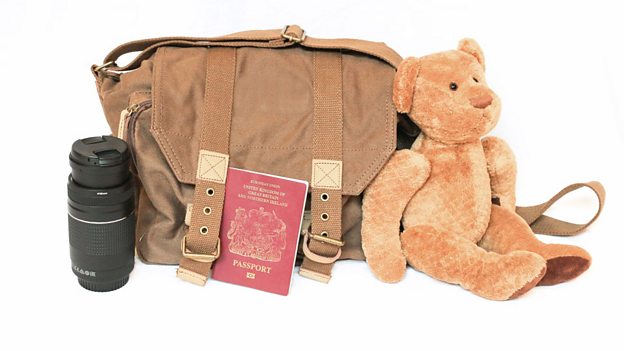
This time let's imagine a girl called Helga. She's just graduated from high school and plans to go to university, but first she wants to travel round the world. Here are a few notes from her diary:
Places to visit: Japan, Australia, Chile... maybe more
Where to stay: Three weeks with the Matsumoto family in Tokyo to begin with, hotels and guesthouses in the other places
Itinerary: Booked the 6am flight to Tokyo tomorrow! Volunteering in a orphanage in Thailand... and booked a one-month Spanish language course in Santiago
Don't forget: Uncle Jason is coming this afternoon to lend me his Japanese phrasebook
อ่านเนื้อหาพร้อมทำแบบฝีกหัด
To do
Can you use the words provided to make sentences about Helga's story? This will test your knowledge of form, meaning and use of our six ways of talking about the future.
Helga's adventures
6 Questions
Read Helga's diary notes. Then make sentences using the words provided.
ช่วยเหลือ
แบบฝึกหัด
Read Helga's diary notes. Then make sentences using the words provided.
คำใบ้
This is already booked, so it's an arrangement.Question 1 of 6
ช่วยเหลือ
แบบฝึกหัด
Read Helga's diary notes. Then make sentences using the words provided.
คำใบ้
More than one answer is grammatically correct, but it looks like Helga is talking about an event that happens at a particular time...Question 2 of 6
ช่วยเหลือ
แบบฝึกหัด
Read Helga's diary notes. Then make sentences using the words provided.
คำใบ้
It looks like she has already arranged her stay with the Matsumoto family...Question 3 of 6
ช่วยเหลือ
แบบฝึกหัด
Read Helga's diary notes. Then make sentences using the words provided.
คำใบ้
You only need one from 'planning' and 'working'...Question 4 of 6
ช่วยเหลือ
แบบฝึกหัด
Read Helga's diary notes. Then make sentences using the words provided.
คำใบ้
After 'will' you need a base form of the verb.Question 5 of 6
ช่วยเหลือ
แบบฝึกหัด
Read Helga's diary notes. Then make sentences using the words provided.
คำใบ้
Her uncle is coming in the near future...Question 6 of 6
Excellent!เยี่ยม!แย่หน่อย!คุณทำคะแนนได้:
Next
In 6 Minute Grammar we'll hear Finn and Catherine give a summary of all these ways of talking about the future. We'll also find out about Finn's dinner plans... he likes curry!
หลักไวยากรณ์จากบทเรียนย่อย
1) Will - for statements and predictions about the future, and when making instant decisions made at the time of speaking
- In 100 years' time, everyone will have an electric car.
- Sorry, I'm in a hurry. I'll take the car and you walk.
2) Be going to - for intentions, arrangements and present situations that extend into the future
- The government is going toraise fuel taxes.
3) Present continuous tense - for plans and arrangements
- I'm cooking for six guests next week.
4) Present simple tense - for timetabled future events
- The meal starts at six.
5) Be about to - for the near future
- Quick, the film is about to start!
- We're about to leave. Get on the bus.
6) Certain verbs + to + infinitive - to indicate plans and intentions for the future
- I planto study photography next year.
- We aimto finish by 8pm.
- Mark intends to move to Berlin.
- We've arranged to meet next Monday.
- She decided to take the train tomorrow.
