유닛 14: Extreme sports
Past perfect continuous
유닛 고르세요
- 1Pop-ups
- 2Hidden talents
- 3Can't buy me love
- 4Travellers' tales
- 5The colleague from hell
- 6Jurassic mystery: unpacking the past
- 7Career changes
- 8Art
- 9Project management
- 10The dog ate my homework!
- 11The diary of a double agent
- 12Fashion forward
- 13Flat pack skyscrapers
- 14Extreme sports
- 15Food fads
- 16Me, my selfie and I
- 17Endangered animals
- 18A nip and a tuck: cosmetic surgery
- 19I'm really sorry...
- 20Telling stories
- 21Fakes and phrasals
- 22Looking to the future
- 23Becoming familiar with things
- 24From rags to riches
- 25Against the odds
- 26Our future on Mars?
- 27Where is it illegal to get a fish drunk?
- 28Dodgy dating
- 29Annoying advice
- 30I'll have been studying English for thirty weeks
세션 1
Does learning English bring you enjoyment and excitement? Learn a few suffixes to boost your vocabulary!
Learn the root
Here's a tip to help you develop your vocabulary skills.
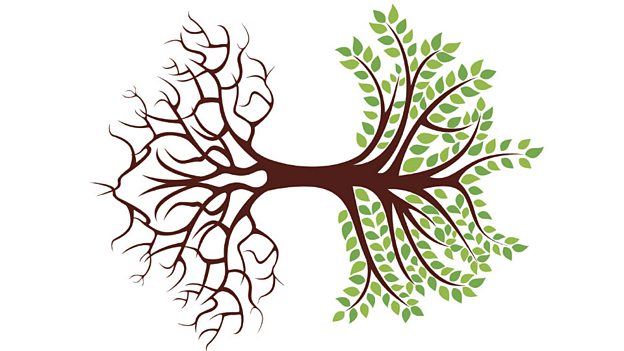
The English language is like a tree. If you learn the root word, you can work out many other parts. Knowing prefixes and suffixes can really help with this.
For example – the verb employ. You can think of this as a 'root' that several 'branches' grow from:
- If you have a job - you are employed.
- Employed is the past participle of employ, and it's also an adjective.
- You can make employ into a noun by adding –ment.
- Employment is 'the state of being employed'.
- An employer is 'someone who employs people'.
- An employee is 'someone who is employed'.
- And don't forget prefixes – unemployment is the state of not being employed.
So – just from one root word, with some knowledge of prefixes and suffixes, we suddenly have a little family: a little tree of words!
문서 읽고 엑티비티를 하세요
To do
Here's a little story to help you practise your word families. The three root words are support, friend and use. Try to work out the correct answers using your knowledge of these words.
Here are a few suffixes to help you.
-less = 'without'
- worthless, tasteless
-able = creates an adjective meaning that the subject can do something OR that something can be done to it
- excitable, loveable, breakable
-er = it's a job or skill
presenter, teacher, train driver
-ive = makes an adjective from a verb
- attractive, abusive, protective
And two prefixes:
un- = 'not' the word that comes after
- unemployed, unworthy, unfair
re- = 'again'
- reuse, reheat, re-educate
Roots, prefixes and suffixes!
6 Questions
Which prefix or suffix do you need to add to make the correct word? Be careful, not all of the options have prefixes or suffixes. And some have both!
도움
엑티비티
Which prefix or suffix do you need to add to make the correct word? Be careful, not all of the options have prefixes or suffixes. And some have both!
힌트
You need a noun here.Question 1 of 6
도움
엑티비티
Which prefix or suffix do you need to add to make the correct word? Be careful, not all of the options have prefixes or suffixes. And some have both!
힌트
We need a noun here.Question 2 of 6
도움
엑티비티
Which prefix or suffix do you need to add to make the correct word? Be careful, not all of the options have prefixes or suffixes. And some have both!
힌트
We need a suffix that means "full of"...Question 3 of 6
도움
엑티비티
Which prefix or suffix do you need to add to make the correct word? Be careful, not all of the options have prefixes or suffixes. And some have both!
힌트
This one is a noun...Question 4 of 6
도움
엑티비티
Which prefix or suffix do you need to add to make the correct word? Be careful, not all of the options have prefixes or suffixes. And some have both!
힌트
The notes couldn't be used...Question 5 of 6
도움
엑티비티
Which prefix or suffix do you need to add to make the correct word? Be careful, not all of the options have prefixes or suffixes. And some have both!
힌트
We need an adjective here. Her friends helped her.Question 6 of 6
Excellent!Great job!네 안타깝군요이번 점수입니다:
End of Session 1
And that's it for this session: well done! In Session 2 we're going to look at an important tense - the past perfect continuous. Had you been hoping that we would practise that tense?
Session Vocabulary
Suffixes
-less = 'without'
- worthless, tasteless
-able = creates an adjective meaning that the subject can do something OR that something can be done to it
- excitable, loveable, breakable
-er = it's a job or skill
- presenter, teacher, train driver
-ive = makes an adjective from a verb
- attractive, abusive, protective
Prefixes
un- = 'not' the word that comes after
- unemployed, unworthy, unfair
re- = 'again'
- reuse, reheat, re-educate
