BBC HomeExplore the BBC
This page has been archived and is no longer updated. Find out more about page archiving.

24 September 2014
Inside Out: Surprising Stories, Familiar Places

BBC Homepage
England
Inside Out
East
East Midlands
London
North East
North West
South
South East
South West
West
West Midlands
Yorks & Lincs
Go to BBC1 programmes page (image: BBC1 logo)

Contact Us

Inside Out - West: Monday June 23, 2003

SPERM AND EGG DONATION - THE PROCEDURE

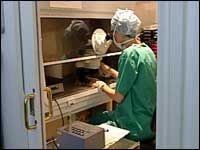
News image
Donor eggs are in greater demand than sperm
Read Sarah and Christine's stories

Donor eggs are in greater demand than sperm. Yet unlike sperm donation, the procedure offers no payment to donors and is far more complicated.

Although there has always been a plentiful supply of sperm donors in the form of students eager for the £12 payment, less sperm is now needed.

Sperm versus the egg

There are new techniques which can extract a single healthy sperm from a man with a low sperm count, thus reducing the need for donors.

Many clinics, including the University of Bristol Centre for Reproductive Medicine, now buy sperm from a sperm bank rather than from donors themselves.

This sperm is frozen for six months and then tested for diseases before being used.

There is a great shortage of egg donors across the UK. It is a more involved process and egg freezing has not yet been commercialised.
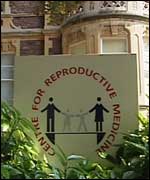
Centre for Reproductive Medicine
Sarah attends this Bristol clininc for egg harvesting

No financial gain

In America women are paid for their eggs, but in Britain it is illegal to pay for eggs and clinics can only cover expenses.

It is not an easy process. The donor has to sniff a hormonal nasal spray for around 4 weeks followed by self-administered injections to stimulate the ovaries to produce lots of eggs.

Blood tests and internal scans are required before harvesting. This is done while the donor is anaesthetized.

The harvesting is done with a hollow needle attached to a pipe and a pump, guided by ultrasound. It pricks the follicles in the ovary and sucks out the eggs.

The eggs are taken from the donor and if there are over 8 eggs they will be given to two recipient couples. These are then mixed with the sperm and when fertilised, the embryo will be placed into the womb of the recipient mother.

See also ...

On bbc.co.uk
BBC: News - Call to trace sperm donor parents

On the rest of the web
Human Fertilisation and Embryology Authority
Donor Conception Network
Centre for Reproductive Medicine
The Daisy Network for premautre menopause
CHILD - The National Infertility Support Network

The BBC is not responsible for the content of external websites

This week's stories

The Pilgrims' Way
Take a journey on one of the South East's most historic routes.

Cornish tea
Inside Out goes behind the scenes at Cornwall's tea plantation.

Storm chasers
Join the storm chasers in search of Yorkshire's worst weather..

More from Inside Out

Inside Out: West
View the archive to see stories you may have missed.

BBC Where I Live

Find local news, entertainment, debate and more ...

Bristol
Gloucestershire
Somerset
Wiltshire

Meet your
Inside Out
presenter
Go to our profile of Tessa Dunlop (image: Tessa Dunlop)

Tessa Dunlop
your local Inside Out presenter.

Contact us
Contact the West team with the issues that affect you.

Free email updates

Keep in touch and receive your free and informative Inside Out updates.
Subscribe
Unsubscribe


About the BBC | Help | Terms of Use | Privacy & Cookies Policy