Dealing with Venezuela's food crisis
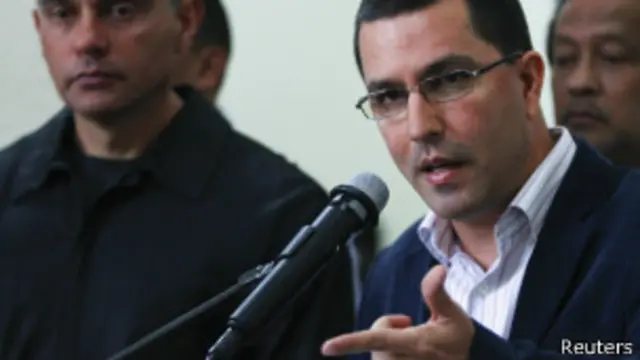
The Venezuelan government has announced new economic measures to tackle the country's shortages of essential goods, such as flour, milk and toilet paper.
Earlier this month, Finance Minister Nelson Merentes acknowledged the government's economic policies had been unsuccessful.
Reporter
Irene Caselli
Report
<link type="page"><caption> Listen to the report</caption><url href="http://http-ws.bbc.co.uk.edgesuite.net/mp3/learningenglish/2013/09/130927_witn_venezuela_report_130927_witn_venezuela_report_au_bb.mp3" platform="highweb"/></link>
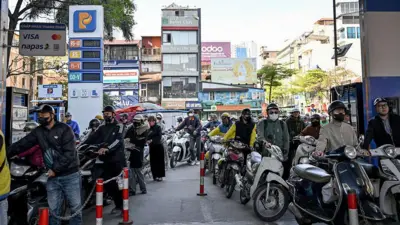
It's become common for Venezuelans to go to different supermarkets in order to buy all the items on their shopping list. Central bank figures show that out of 100 basic products, 20 are not available.
With Christmas coming, the Venezuelan authorities are worried shortages may increase. The vice-president, Jorge Arreaza, said the government was going to ensure that citizens have access to food, toys and artificial trees in order to celebrate during their holidays.
The government accuses businessmen of holding back basic products in order to force customers to buy more expensive alternatives. President Nicolas Maduro has set up a telephone hotline, 0-800-SABOTAGE, for Venezuelans to report on such illegal activities.

But analysts say cutting red tape to facilitate imports is too little, too late. They blame shortages on the government's currency controls and inadequate domestic production of staples.
Vocabulary
<link type="page"><caption> Listen to the words</caption><url href="http://http-ws.bbc.co.uk.edgesuite.net/mp3/learningenglish/2013/09/130927_witn_venezuela_words_130927_witn_venezuela_words_au_bb.mp3" platform="highweb"/></link>
in order: untuk, sehingga
to ensure: menjamin
citizens: warganegara
artificial: buatan
holding back: menahan, tidak menyalurkan
sabotage: sabotase
red tape: birokrasi
staples: kebutuhan pokok