
28 March 1956 saw the official opening of the new Crystal Palace television station, designed to provide increased coverage to a large swathe of London and the south-east. Since the opening of the BBC Television Service, twenty years before, programmes had been broadcast across London from a transmitter on the tower at Alexandra Palace. Now the station at 'Ally Pally' was to be switched off, not to operate again as a regular transmitting station until 1982.
For many years, live programme production from Alexandra Palace had suffered from interference because of the close proximity of the transmitter to the studios. Now there was a solution. Stable and more reliable pictures could be sent from state-of-the-art transmitters, located some twenty 20 kilometres away. The site was also a safe distance from the BBC studios at Lime Grove. By 21 December 1957 the formal commissioning (opening) of the Crystal Palace television aerial, meant the BBC was well placed to face commercial competition from ITV which had opened nearly two years earlier.
Nearly 215 metres high, the tower, confined to a small area of Crystal Palace Park, was erected by British Insulated Callendars Construction. Soon after opening, its transmitters were equipped to broadcast test programmes in colour late at night, after regular programming was over for the day. It was also adapted to 625 line operation in time for the launch of BBC Two in 1964, and colour in 1967. Today the transmitter continues to serve London and the Home counties, reaching over 12 million people. In April 2012 the analogue signal from Crystal Palace will be switched off, and the station will become an entirely digital operation, fit for service into the twenty first century.
The slideshow above contains many images of the Crystal Palace transmitting station, with thanks to Derek Brice, Mike Jordan, Tony Stamp, and Robert Whittaker. The music used in the slideshow was heard before the regular transmitter 'Service Information' programme broadcast on BBC Two from 1967, Monday to Friday at 10am, 11.30am, and 2.30pm.
The track is called 'Walk and Talk' by Syd Dale, and was used until 1978, when it was replaced. 'Service Information' helped television engineers with information about transmitters going on and off the air, and other relevant information for the radio and television trade. 'Service Information' was finally dropped from the BBC Two schedule when daytime TV programming started.
March anniversaries

BBC Producer Guidelines published
1 March 1989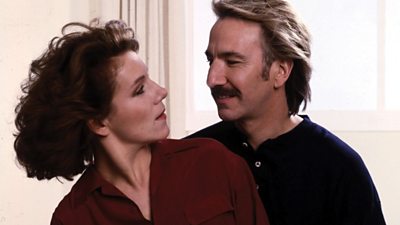
Truly Madly Deeply
1 March 1992
Launch of BBC Four
2 March 2002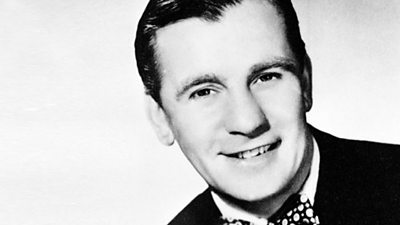
Housewives' Choice
4 March 1946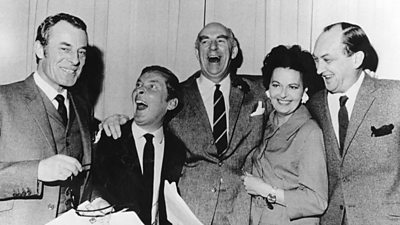
Round the Horne
7 March 1965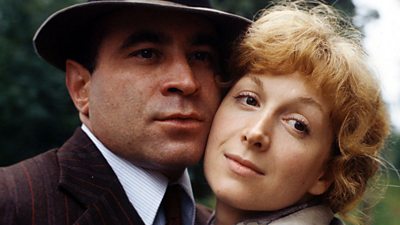
Pennies From Heaven
7 March 1978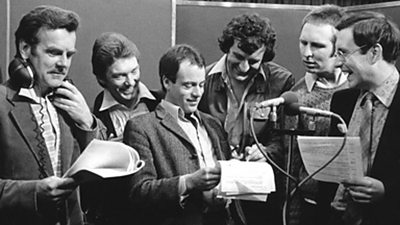
The Hitch-Hiker's Guide to the Galaxy
8 March 1978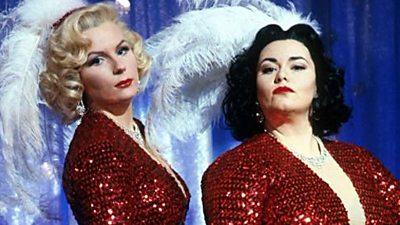
French and Saunders
9 March 1987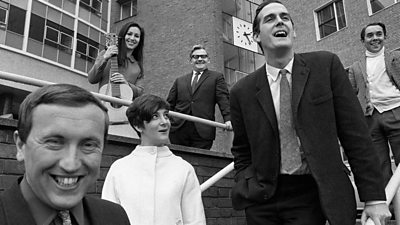
The Frost Report
10 March 1966
World Service Television News
11 March 1991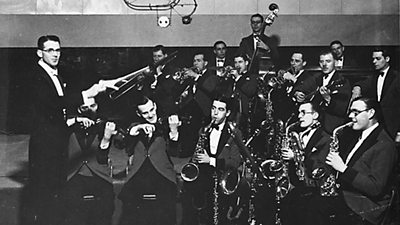
First broadcast by the BBC Dance Orchestra
12 March 1928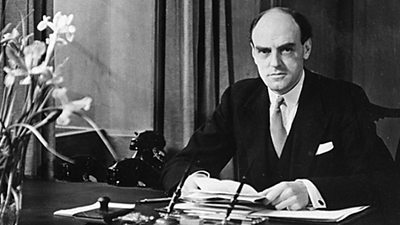
Launch of the Latin American Service
14 March 1938
I’d Do Anything
15 March 2008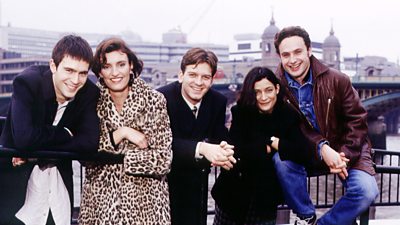
This Life
18 March 1996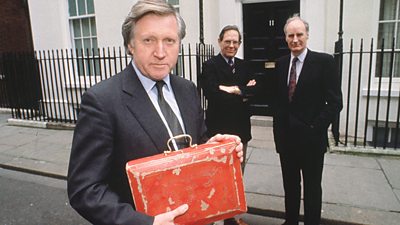
First televised Budget speech
20 March 1990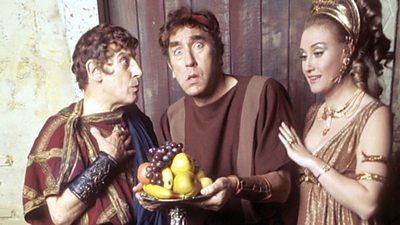
Up Pompeii
23 March 1970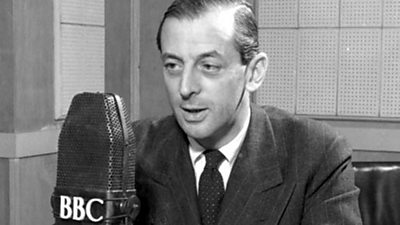
Letter From America
24 March 1946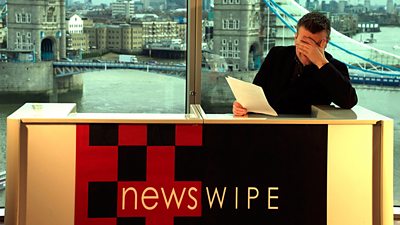
Newswipe with Charlie Brooker
25 March 2009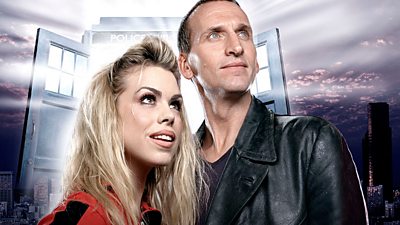
The return of Doctor Who
26 March 2005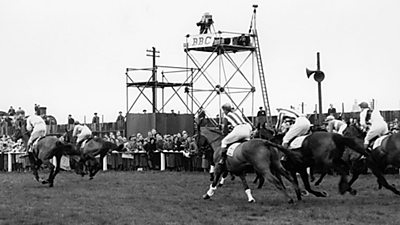
Grand National televised
26 March 1960
Troubleshooter
27 March 1990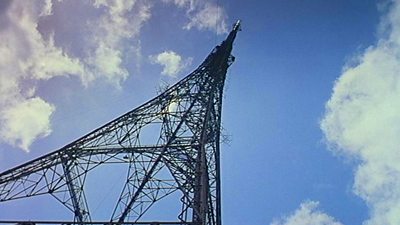
Opening of new Crystal Palace transmitter
28 March 1956
Going for a Song
31 March 1965
Teletubbies begins
31 March 1997


