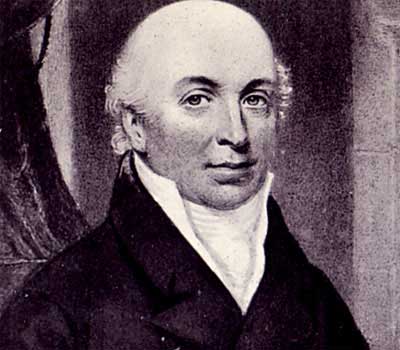
Thomas Leyland
Slave trader, banker
Nothing is known about Leyland's early life, but by 1768 he was living in Liverpool where he worked for an Irish merchant, Gerald Dillon, with whom he went into partnership. In 1776, they won £20,000 in the state lottery and, by 1782, Leyland was in business on his own. He traded in many commodities, including slaves. By this time, Liverpool was the main slave trading port in Britain. The requirements for capital in the trading of slaves encouraged Leyland to form alliances with other local merchants.
He soon became a wealthy man. The profit on one voyage made by Leyland's slave ship 'Lottery' in 1798 was more than £12,000 (more than £900,000 today). In 1802, Leyland purchased the estate of Walton Hall north of Liverpool. In the same year he became a partner in the banking firm of Clarkes and Roscoe, which was an unusual alliance because William Roscoe was sympathetic towards the abolitionists. Leyland left after two months and established his own very successful bank - Leyland & Bullins - in partnership with his nephew, who was also involved in the slave trade. The money Leyland had made from slave trading could therefore be loaned to other slave traders and further profits made. The bank was owned by the Leyland family until 1901. In 1908 it was taken over by Midland Bank, which was later absorbed by HSBC.
As he became wealthier, Leyland's involvement in politics increased. Liverpool's government was dominated by slave traders in this period. By 1787, 37 of the 41 members of the Liverpool council were involved in some way in slavery and all of Liverpool's 20 lord mayors who held office between 1787 and 1807 were involved. Leyland was himself mayor three times between 1798 and 1820. When he died in 1827, he was one of the richest men in Britain.