The Challenge
The Recycling Project was launched about 10 years ago by a Gloucester Neighbourhood Project when someone was faced with turning down an unfurnished flat because he had no furniture and could not afford any.
Developing the idea
Two garages were leased by the Neighbourhood Project for storage but the Project soon had to expand to meet a need, not just in the local area but also throughout Gloucester City.
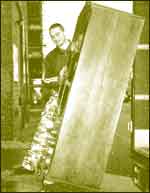 |
| The Furniture Recycling Project finds new uses for unwanted furniture |
The Project became independent in 1996. Since then, the pioneering award-winning Project has gone from strength to strength; supplying safe, clean, affordable recycled furniture and household items to disadvantaged communities.
The recycling of furniture also helps the environment by reducing demand for landfill sites and supports/develops staff and volunteers.
Making it happen
The Project is currently housed in two warehouses at Gloucester Docks and has a shop in Stroud, serving the whole of the county.
From three paid staff and nine volunteers in 1996, the Project now has a staff of 12 and supports up to 50 volunteers/trainers. It has recently acquired three LPG dual fuel vans funded through the Landfill Tax Credit scheme.
The small amounts charged for the recycled furniture help offset the running costs of staff wages, rent, insurance etc.
The benefits
Gloucester City Council recognises the Recycling Project has saved the council about £250,000 over four years, resulting in a reduced need for landfill.
 |
| The project finds new homes for 13,000 furniture items a year |
During 1999/2000 it supplied 850 wardrobes, the equivalent of about 65 cricket pitches.
Currently, it recycles about 13,000 items a year. It also removes an increasing burden from social services - people go to the Project to furnish their homes who would otherwise have to go to social services for help, or to 'loan sharks'.
The Project also offers work experience placements and opportunities for volunteers, including asylum seekers and people with learning disabilities, to develop their skills and confidence and assist them into employment.
Key tips