|  |
           |  |  | |  
 Latin name:Cynara cardunculus Latin name:Cynara cardunculus
Common name: Cardoon
Type of plant: Perennial
Soil preference: Rich but well drained
Hardiness: Hardy
Flower colour: Purple
Height and spread: 2.4m x 90cm (8ft x 3ft)
Description: A spectacular silvery giant thistle.
Design tips: It looks impressive as the centrepiece in a border. |
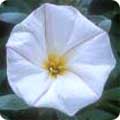 Latin name:Convolvulus cneorum Latin name:Convolvulus cneorum
Common name: Silverbush
Type of plant: Perennial
Soil preference: Well drained
Hardiness: Half hardy
Flower colour: Pale pink
Height and spread: 60cm x 75cm (2ft x 2.5ft)
Description: A low, dome-shaped plant with narrow, silvery-grey leaves and pale pink, trumpet-shaped flowers.
Design tips: Don't worry, this choice species doesn't share its relatives spreading tendencies. It is a good plant for a rock garden, suntrap or container. |
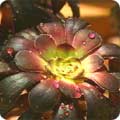 Latin name:Aeonium 'Schwartzkopf' Latin name:Aeonium 'Schwartzkopf'
Common name: Aeonium
Type of plant: Succulent
Soil preference: Well drained, not too rich
Hardiness: Tender
Flower colour: No flowers
Height and spread: 60cm x 60cm (2ft x 2ft)
Description: A shrubby succulent with rosettes of almost black leaves.
Design tips: It is superb for containers and a 'designer' look. |
 Latin name:Astelia chathamica Latin name:Astelia chathamica
Common name: Silver spear
Type of plant: Evergreen perennial
Soil preference: Well-drained but moist and humus-rich, acid soil
Hardiness: Slightly delicate
Height and spread: 1.2m x 2m (4ft x 6ft)
Description: Large, spiky-shaped rosettes of tall, leathery, silver, spear-shaped leaves.
Design tips: Superb as a specimen plant or in a large container. |
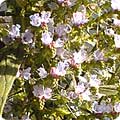 Latin name:Echium pininana Latin name:Echium pininana
Common name: Tree echium
Type of plant: Biennial/short-lived perennial
Soil preference: Well drained
Hardiness: Slightly delicate
Flower colour: Blue
Height and spread: 2.4m x 3m (8ft to 10ft x 3ft)
Description: Large, cabbage-like rosette of shaggy, silver leaves, from which a huge spike of blue flowers emerges in its second summer. It usually dies after flowering but self-seeds if it is happy in its position.
Design tips: Very mild, well-sheltered hot spot gardens in the far south and south-west of Britain will have the most success with this plant, and gardens in the Scillies and Channel Islands. But this perennial is worth the risk if you want something truly spectacular. |
| |  | |
| 
|
|







