|  |
           |  |  | |  
Hot spot plants
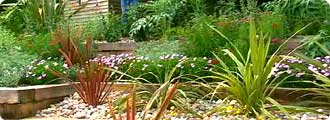
Nature has equipped some plants especially for life in a hot and dry environment.
Sword-shaped leaves have a small surface area to save water loss.
Succulents have a waxy covering that acts like a plastic mac, keeping water in instead of out.
Silver or grey leaves reflect heat and light to keep cool, and a hairy or woolly surface acts as insulation against the heat or drying winds.
|
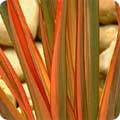 Sword-like plants Sword-like plants
Sword-shaped leaves are typical of spiky plants such as yucca, cordyline and phormiums. They often have vivid colourful leaves, and you can find unusual species such as astelia, which are silver.
The spiky shapes of plants with sword-like leaves contrast brilliantly with dome-shaped plants.
Try planting spiky plants with dome-shaped plants or surround a single, large specimen with a surface mulch of round pebbles or cobblestones for impact.
|
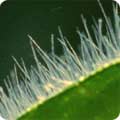 Grey, hairy leaves Grey, hairy leaves
Silver-grey and furry plants produce a 'soft' effect. Small-leaved, bushy, silvery plants are good for creating a hazy cloud-like effect.
Large, structural, silvery plants like globe artichoke or cardoon make good backgrounds for the back of a border. Set these off by growing pastel flowers such as alliums in front.
Small, bushy lavenders make a good edging for a path, particularly with a bed of flowers behind them.
|
Succulents
Known as the camels of the plant world, succulents naturally grow in bizarre shapes that make them perfect for minimalist gardens.
Succulents come in all shapes and sizes, including huge, rosette-forming century plants; Agave americana, flat-stemmed prickly pears; opuntia species, columnar-shaped cereus, mound-forming mammillaria and rebutia (which are both free flowering), and exotic-looking aeoniums.
Their extreme drought tolerance makes them perfect for containers, and being portable is a big advantage, as most succulents need bringing under cover in winter. |
| |  | |
| 
|
|