Homepage

Accessibility links

  • Skip to content
  • Accessibility Help
BBC Account
Notifications
  • Home
  • News
  • Sport
  • Weather
  • iPlayer
  • Sounds
  • Bitesize
  • CBeebies
  • CBBC
  • Food
  • Home
  • News
  • Sport
  • Business
  • Innovation
  • Culture
  • Travel
  • Earth
  • Video
  • Live
More menu
Search BBC
  • Home
  • News
  • Sport
  • Weather
  • iPlayer
  • Sounds
  • Bitesize
  • CBeebies
  • CBBC
  • Food
  • Home
  • News
  • Sport
  • Business
  • Innovation
  • Culture
  • Travel
  • Earth
  • Video
  • Live
Close menu

What is BBC Future?

Earth

Future Planet

Health Gap

Sustainability on a Shoestring

Time: The Ultimate Guide

The Next Giant Leap

Green Tech

Best of BBC Future

Latest

Loading

Invisible Numbers

According to Dunbar’s theory, people can ‘handle’ up to about 150 relationships – whether in early hunter-gatherer societies or the modern workplace (Credit: Emmanuel Lafont)
Invisible Numbers

Why 150 is a ‘magic number’

A Tour de France cyclist leading a pack of other competitors (Credit: Getty Images)
Invisible Numbers

The strange maths at work in the Tour de France

By Kit Yates
The dial of an old analogue radio (Credit: Getty Images)
Invisible Numbers

Why there is a search for random numbers

By Chris Baraniuk
Reflection of a woman walking past a mirror with the numbers of pi inscribed on it (Credit: Getty Images)
Invisible Numbers

Why life is more interesting with extra pi

By Kit Yates
World Cup players Simone Boye Sørensen, Luna Gevitz, Sandra Sepúlveda and Diana Ospina Garcia all share the same birthday - 3 March
Invisible Numbers

The 'birthday paradox' maths problem

By Kit Yates
A basic mathematical calculation error has fuelled the spread of coronavirus (Credit: Reuters)
Invisible Numbers

The deadliest numerical error of 2020

By David Robson
Conceptual pollution image (Credit: Emmanuel Lafont)
Invisible Numbers

The toxic killers too small to see

By Tim Smedley
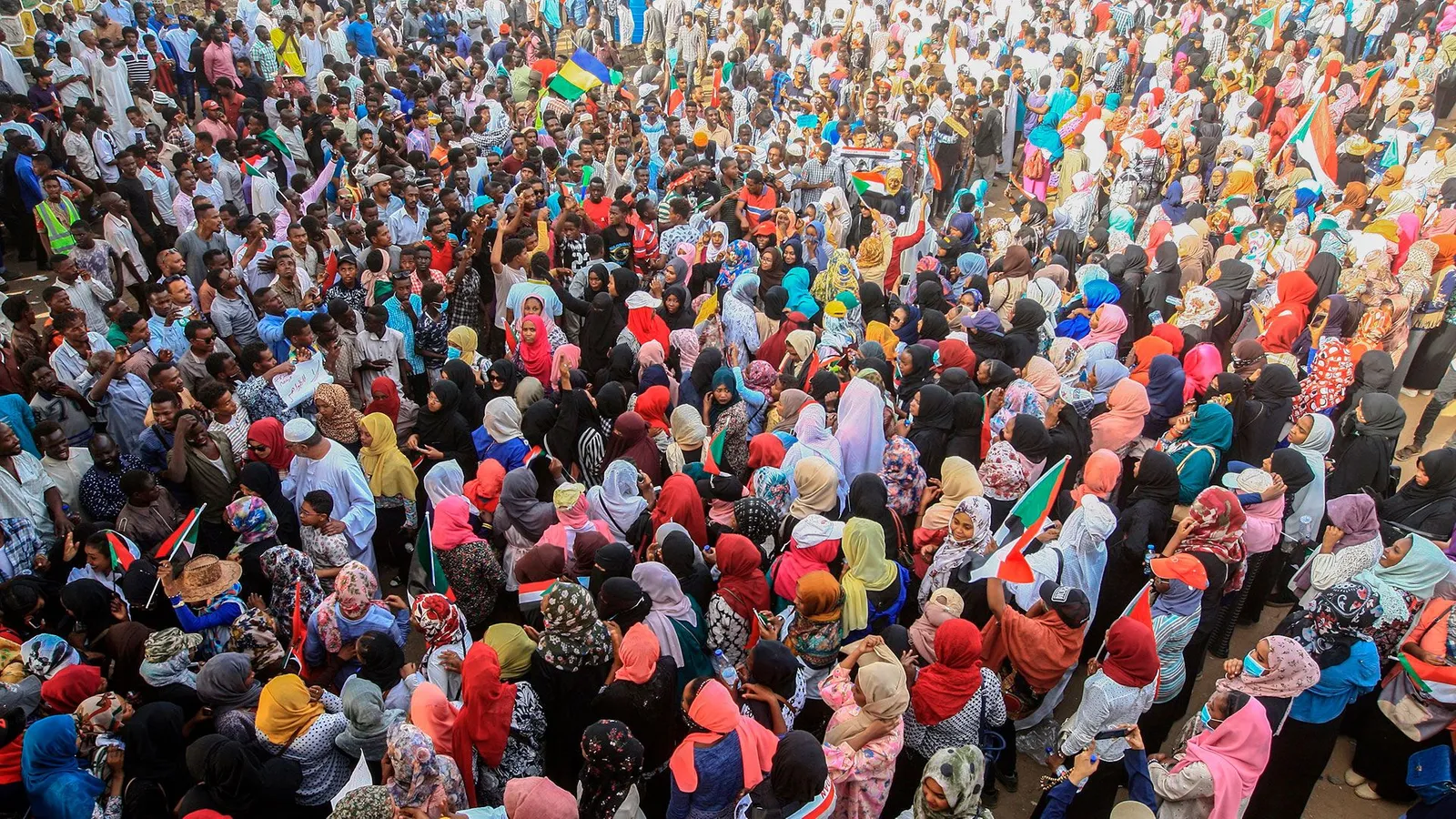
Protestors in Sudan (Credit: Getty Images)
Invisible Numbers

What is the '3.5% rule' of revolutions?

By David Robson

Explore the BBC

  • Home
  • News
  • Sport
  • Weather
  • iPlayer
  • Sounds
  • Bitesize
  • CBeebies
  • CBBC
  • Food
  • Home
  • News
  • Sport
  • Business
  • Innovation
  • Culture
  • Travel
  • Earth
  • Video
  • Live
  • Terms of Use
  • About the BBC
  • Privacy Policy
  • Privacy Policy
  • Cookies
  • Cookies
  • Accessibility Help
  • Parental Guidance
  • Contact the BBC
  • Make an editorial complaint
  • BBC emails for you
  • Advertise with us
Copyright © 2026 BBC. The BBC is not responsible for the content of external sites. Read about our approach to external linking.

You might also like:

news | sport | weather | worklife | travel | future | culture | world | business | technology