BBC HomeExplore the BBC
This page has been archived and is no longer updated. Find out more about page archiving.

28 October 2014
CumbriaCumbria
RESTORATION

BBC Homepage
England
»Cumbria
News
Sport
Junior Football
Travel
Weather
Entertainment
Message Board
Video Nation
Enjoy Cumbria
Communities
In Pictures
Webcams
Features
Faith
Diverse Cumbria
BBC Bus
Digital Lives
Comic Relief
Abolition
RaW
BBC Local Radio
Site contents

Contact Us


July 2003
The Border Reivers
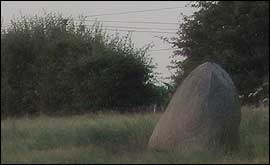
The Lochmaben Stone - one of the meeting places for the Wardens of the Marches
The Lochmaben Stone, meeting place for the wardens of the Eastern Marches.

For over 150 years the border lands of England and Scotland were held in the grip of the some of history's most ruthless clans - the Border Reivers

SEE ALSO

Brackenhill Tower
What it is and why it's important.
-
Restoration
Information about the project from BBC Cumbria.
-
BBC Restoration
Homepage featuring all the buildings in the series.
-
The Grahams
Original owners of Brackenhill and feared throughout the Borders.
-
The Border Reivers
Who they were and what they did.
-
Lowther Castle
Cumbria's very own fairytale castle.
-
Newland blast furnace
Part of Cumbria's industrial heritage.
-
151 Queen Street
A piece of 18th Century luxury in the heart of modern town.

WEB LINKS

The Border Reivers - who they are, what they did and when they did it!

Tullie House museum and Art gallery - one of the main archives for the Border Reivers.

FACTS

Kidnap - the act of taking a person hostage and holding them till a ronsome is paid.

In 1606 James I ordered the transportation of Richie Graham to Ireland.

In 1606, the forth Earl of Cumberland claimed Brackenhill Tower and its lands as his own. Richie Graham was now dead, but his widow protested and produced the tower's title deeds showing that her father-in-law had purchased the property from Sir Thomas Dacre.

PRINT THIS PAGE
View a printable version of this page.
get in contact

The End
Reiving continued unbounded until the early 1600's. But the death of Elizabeth I in 1603 allowed James VI of Scotland to also become James I of England and the reivers days were numbered.

In the week following the death of Queen Elizabeth I the Graham, Armstrong and Elliot clans, celebrated with one last, almighty rampage lifting over four thousand cattle. This is known as 'Ill Week' and much of the English/Scots border was left ruined.

After this the political and social climate in which the reivers had thrived became untenable. The Union of the Crowns created a 'Great Britain' and James I set out to eradicate the reivers and the turbulent life of the border by establishing a far-reaching campaign, known as "pacifying the borders".

There was now to be only one realm. The marches would cease to exist and the border region would be 'rechristened' the Middle shires. The reivers were no longer able to avoid prosecution and take sanctuary in the limbo of the debatable lands. Suddenly, there was nowhere left to hide.

Courts were set up in the Border towns and known reivers were arrested. The more troublesome and lower classes were executed, without trial, known as 'Jeddart (Jedburgh) Justice' and mass hanging soon became a common occurrence.

It took James I ten years, but he succeeded and the borders became the last part of Great Britain to be brought under central law and order.

The Border Laws, which both crowns- and the reivers - had frequently used for their own ends, were abolished and the law of the land was to be obeyed by one and all. Some nationalist Scottish historians describe this campaign as tantamount to 'ethnic cleansing'.

« Previous

line
Top | Restoration Index | Home
More from this section
Features
Countryside Alive
Housing hell & help
Barrow lifeboat

What's on - eventsNews in briefMeet the teamContact us
BBC Cumbria
Annetwell Street
Carlisle
Cumbria CA3 8BB
Tel: (+44) 01228 592444
cumbria@bbc.co.uk


About the BBC | Help | Terms of Use | Privacy & Cookies Policy