
| |
| 疑难解答 | |
 | | | | | | | ||||||||
| | |||||||||||||
Contractions 缩写 | ||||||||||||||
This week's question comes from Andy in Haikou, who asks why the word 'have' in the phrase 'I have' often sounds like a whisper, or is said very fast. Often in English two words get run together. We call this contraction. It happens a lot with words like am, have, would and will. For example:
The reason we do this is because it sounds more natural. Sometimes we even put three words together, like this:
Contraction happens very often in spoken English, but there are two kinds of situations in which you don't contract: 1) When you want to emphasise something, for example: Waiter: You haven't paid yet, have you? Customer: Excuse me, I have paid. In this example, the waiter thinks that a customer has not paid their bill yet. The customer replies, emphasising the word 'have' to make it clear that they 'have' already paid. 2) When you are writing formally. For example, in a business letter you would write: I would like to order 1,000 diamond rings. NOT I'd like to order 1,000 diamond rings. Thank you Andy for your question. If you have a question please get in touch. You can email us at questions.chinaelt@bbc.co.uk. We look forward to hearing from you. Glossary 词汇 whisper run together contraction emphasise writing formally business letter diamond rings | ||||||||||||||
| ||||||||||||||
| ||||||||||||||


 本周问题与答案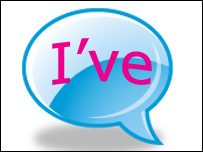
 Download the script of this programme 点击此处下载文字材料