



 | | | | | | | |||||||||||||||||||||||||||||||||||||||||||||||||||||||||||||||||||||||||||||||||||||||
| | ||||||||||||||||||||||||||||||||||||||||||||||||||||||||||||||||||||||||||||||||||||||||||||
|
Amazon Paradox: Suriname | ||||||||||||||||||||||||||||||||||||||||||||||||||||||||||||||||||||||||||||||||||||||||||||
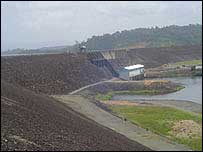
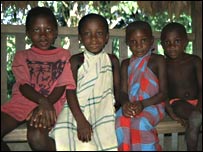
The Brokopondo Stuwmeer is a huge hydro-reservoir in the middle of the Suriname jungle. It is constructed along with a hydro-power-plant to generate electrical power for an Alcoa alumina plant 40 miles up north in Paranam, a harbour town on the Suriname River. This man-made lake covers 352,000 acres that was once tropical forest with about 28 maroon villages on both sides of the Suriname River. Those villages were relocated further north resulting in thousands of people losing not only their homes but also a part of their heritage and identity. Their huts were replaced by “moderate” houses on the roadside. While many settled into an all new way of life over the course of almost five decades, it was not until recently that got their share of the electrical power they people had to be moved for in the first place.
Not only were people moved and a way of life disrupted, the impact on wildlife was also quite extensive. It took a special rescue project by the then-colonial Dutch government in the early 1960s to save many animals, which, as a direct result of the hydro-electricity project were dying out. The pluses and minuses The green house effect It’s been noted that the reservoirs of power plants in tropical regions have the potential to produce substantial amounts of methane and carbon dioxide. According to a report by the World Commission on Dams, “where the reservoir is large compared to the generating capacity (less than 100 watts per square metre of surface area) and no clearing of the forests in the area was undertaken prior to impoundment of the reservoir, greenhouse gas emissions from the reservoir may be higher than those of a conventional oil-fired thermal generation plant.” The only few types of wildlife that can survive under these circumstances are the much feared piranha.
The Central part of the Suriname’s interior has had periods of extreme drought followed by extreme rainfall, which, in 2006 flooded 75% of villages of maroons and other indigenous peoples. But what long has been considered a curse is turning out to be a blessing for Suriname. Cheaper energy Given the present high cost of energy driven by high fuel prices, hydropower might be the proper solution to generate cheaper and cleaner energy. Plans are being developed to expand Suriname’s hydropower potential by diverting water from the Tapanahony River located in the southern part of the country. With a $400-million investment, it’s estimated that Suriname will be able to triple its current 100 mega-watt hydro-power potential while at the same time reducing what it spends on fuel powered generators, around 63 million US dollars per year.
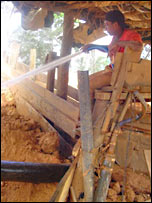
The area around the Brokopondo reservoir is rich in gold, attracting fortune-seekers trying their luck in small scale gold mining. This ‘small scale gold mining’ is expected to dramatically increase if the price of gold on the world parker remains high. ...but at what cost However, with gold mining comes the risk of mercury pollution - a direct threat to the health and livelihood of the people whose lives depends on the river and the riverbeds. Other health problems are emerging, mainly malaria and HIV-AIDS. The fight-back Two groups are challenging these further disruptions to their way of life. The Tirio and Wayana are indigenous tribes who live in remote villages, deep in the deeper southern areas of Suriname villages. They are opposed to mining and have linked-up with international organisations such as Conservation International and Amazon Conservation Team in an attempt to keep the rainforest pristine and protect their way of life. |
LOCAL LINKS | ||||||||||||||||||||||||||||||||||||||||||||||||||||||||||||||||||||||||||||||||||||||||||||
| |||||||||||||||||||||||||||||||||||||||||||||||||||||||||||||||||||||||||||||||||||||||||||||
 | |||||||||||||||||||||||||||||||||||||||||||||||||||||||||||||||||||||||||||||||||||||||||||||


 Listen to the journey with Steven van Frederikslust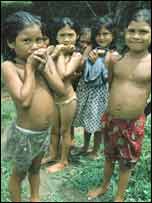


 Join the debate: who should protect the Aamazon?