



 | | | | | | | |||||||||||||||||||||||||||||||||||||||||||||||||||||||||||||||||||||
| | ||||||||||||||||||||||||||||||||||||||||||||||||||||||||||||||||||||||||||
|
Guyana goes hi-tech | ||||||||||||||||||||||||||||||||||||||||||||||||||||||||||||||||||||||||||
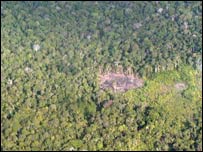
Guyana is for the first time going 'hi-tech' in monitoring its vast expanse of tropical forests. It will use satellite and digitally track trees harvested for local and domestic use, at a time when the world is placing higher premium on standing forests to absorb greenhouse gases blamed for climate change, according to officials in the South American country. Commissioner of the Guyana Forestry Commission (GFC), James Singh, says the International Tropical Timber Organisation (ITTO) and Guyana are finalising preparations to access satellite images aimed at spotting illegal logging "It's going to improve it tremendously, it's going to reduce human-error and the likelihood of illegal logging because we are going to be able to pick up things even faster," says Mr Singh. His state-regulatory agency is responsible for the 13.8 million hectares of forests or more than 75 percent of Guyana's 216,000 square kilometres. Japanese funding The Lands and Surveys Commission and the Guyana Geology and Mines Commission are also expected to team up with the GFC in making the best use of the satellite images. The satellite project is being 60-percent funded by the Japan-based ITTO.
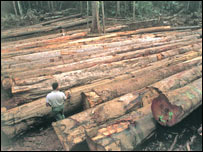
The news comes sharply on the heels of a disclosure by Brazil's Ambassador to Guyana, Arthur C. Meyer that South America's lone English-speaking country had shelved plans to use Brazil's satellite system to monitor the forests for illegal logging and illegal airstrips. "Several possible alternatives are under study because there are problems of costs involved and we are in the process of looking at alternative solutions that might be less costly," said Meyer. Under the ITTO project, manually registration and tagging of all logs done to identify logs harvested from specified locations will be a thing of the past. Digital tagging This will be due to be digital tagging, aimed at minimising fraud and providing authorities with real-time data, Mr Singh said. Only last November, the GFC slapped a more than US$400,000 fine on the Malaysian plywood. Logging concern, Barama Company Limited (BCL), and several local logging companies were suspended for under-declaration of harvested logs, transferral of log-tags from one concession to another and removal of logs from one concession to another. Authorities in this former British colony are also getting help from Oxford University's Professor Denis Alder in designing a computer model to determine specifically the species and quantities of logs to be harvested. "We'll be able to restrict the pressure on the prime commercial species," says the GFC's boss. Long before the digital age, the GFC boasts a network of forest-monitoring stations, seeking to track logs from tree-stump to port as well as ensuring that loggers follow the cyclical formula for felling and re-growth of trees. Mr Singh explained: A maximum of 10 trees equivalent to 20 cubic metres per hectare can be harvested in a 60-year cycle, allowing re-growth.
And, trees should not be cut within a 10 metre radius of each other because excessive sunlight can retard their re-route. Pilot project All of this is apart from required environmental and social impact assessments as well as a compendium of rigid rules and regulations that authorities say must be followed to the letter. Authorities also plan to this July embark on a 'plantation forest' pilot project, focusing on species that are in high commercial demand as well introduce new exotic species like teak, while at the same time examining the prospects for reforestation. Guyana's forestry sector contributes at least 5 percent to the country's Gross Domestic Product and employs a total of 20,000 people directly and indirectly. Major species include greenheart, mora, baromalli, purple heart, crabwood, kabakalli, womara. The forest resource consists of in excess of 1,000 species of trees; that are also the home to a wide variety of other flora as well as fauna, some of which are yet to be discovered. You can listen to BBC Caribbean's journey into Suriname's jungle in BBC Caribbean Report on Thursday, May 15 and Friday May 16. |
| ||||||||||||||||||||||||||||||||||||||||||||||||||||||||||||||||||||||||||
| |||||||||||||||||||||||||||||||||||||||||||||||||||||||||||||||||||||||||||
 | |||||||||||||||||||||||||||||||||||||||||||||||||||||||||||||||||||||||||||




 Archive