Earth's Natural Wonders: The village where collecting honey is life and death

Nick Shoolingin-Jordan
Producer, director and cameraman
Earth's Natural Wonders: Living on the Edge explores the fascinating stories of people surviving in harsh natural conditions all over the world. Ahead of episode two, Vast Wonders, Nick Shoolingin-Jordan reveals what it was like to live among villagers braving the threat of tigers and killer bees to harvest honey.
Settling into village life
The honey collectors of the Sundarbans forest live right on the edge of the mangroves in southern Bangladesh. While we were with them, we based our four-man crew on a boat which became our home for the entire shoot. It was the only way to film as these are very much people of the waterways, so we had to be completely mobile.

It sometimes felt like a scene from the Humphrey Bogart film the African Queen: we were on this boat, living in this strange place between land and sea.We had a local cook on board making Bangladeshi dishes, so we really got a flavour of the place.
We met the hero of the story – Jalal - and his family, and needed a little bit of time with them without the cameras, to build a relationship and explain how filming would work. It’s a very remote part of Bangladesh, so they’ve had very little contact with westerners.
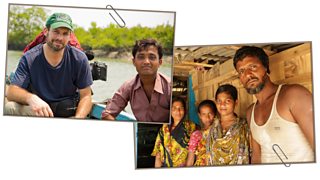
Left: Nick with honey collector Jalal. Right: A tiger attack survivor with his family
When tigers attack
Before we left for the mangroves we went to a few people’s huts and houses to meet tiger attack victims and film their stories.
In episode two, you see one of the men who had been attacked by a tiger: he was down by the water when a tiger jumped out, grabbed his head and tried to pull him in. He fought him off and was left with a very nasty scar and his ear had been ripped off.
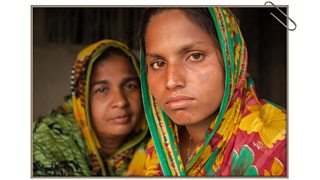
Two of the village's 'tiger wives' who have been left widowed by attacks
There was another man who had lost his entire face. You don’t really see it in the programme because it’s so shocking. When we met him, he had a tea towel over his face. He was so brave, and had never shown anybody, not even his mother, his injury. He was from a nearby village and had travelled to explain the dangers of the mangroves.
Meeting him really brought home how common these attacks were, and reminded methat we had to be very well prepared and think about our and safety when venturing into the forest.
The morning that the honey collectors left, they said a movingprayer for safe passage, and all the women and children gathered to watch. It was strangely sombre. There’s a lot of anxiety about the dangers. Every one of the eight persons in the boat we were following knew a friend or a relative who had been killed by a tiger. You could see the fear in the eyes of the wives and family as they waved goodbye on the shore.
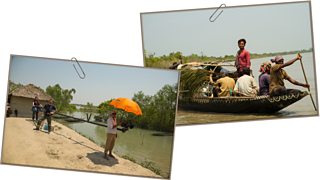
Entering the mangroves
It was extremely challenging when the boats headed off, as they go at quite a pace. They are rowing by hand but we found it hard to keep up – and we had an old motor!
Over the next week we travelled with the honey collectors as they ventured further and further into this mysterious lost world of the mangroves: here you feel completely isolated and alone.
As soon as you jump off the boat onto land, your heart starts to go, as you just don’t know where the tigers are. While we were there, I saw many freshtiger prints which is an indication that they were close. They could have been just metres away. It makes you nervous.
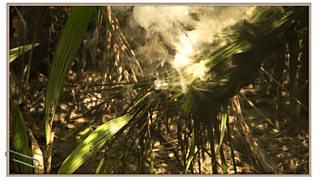
Finding the honey
The moment when we actually found a hive was fantastic. The honey collectors had been looking so long without success. To collect the honey, they use palms from the mangroves to create smoking torches to make it seem like the forest is on fire so the bees scatter.
The Giant Asian Honey Bee is seriously dangerous, and if they get spooked before you’ve smoked them, they can attack. To get close enough I had to wear a full bee suit with a mesh across the face. You can’t see very well, so trying to hold a camera and film people collecting honey with swarming bees everywhere - it’s probably the hardest thing I’ve ever had to document.
Returning home
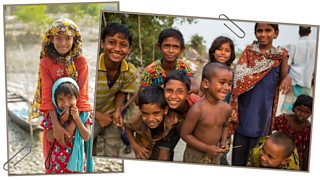
When we got back safely, Jalal’s family were absolutely delighted. His young wife was so relieved just to have him back alive because she had a newborn baby, and there are many tiger widows in the village.
The people of the Sundarbans were so patient and so warm towards us. I’ve filmed all over the world and without a shadow of a doubt my favourite time was filming in the mangroves of Bangladesh because they were such beautiful people, totally unspoiled by the madness of the western world. It’s a place I’ll never forget.
Nick Shoolingin-Jordan is the director and producer of Earth's Natural Wonders: Living on the Edge.
Earth's Natural Wonders: Living on the Edge continues on Wednesday, 12 August at 9pm on BBC One. Each episode will be available in BBC iPlayer for 30 days after broadcast on TV.
All photographs are reproduced with kind permission from Nick Shoolingin-Jordan.
Comments made by writers on the BBC TV blog are their own opinions and not necessarily those of the BBC.
