

While the cat's away...
As ecologists have discovered to their cost it isn't the mice you have to worry about...it's the rabbits.
Removing cats from the sub-Antarctic island of Macquarie, a World Heritage Site valued for it's complex tundra habitat and unique geological formations, probably seemed like a good idea at the time.
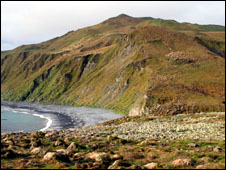 It's not hard to imagine how the argument ran: As an invasive alien species - and voracious predator - the cat (which was probably introduced inadvertently by sailors around the turn of the 19th century) was inevitably exerting a dramatic influence over the natural ecosystem. Removing it would allow the native flora and fauna to recover to something like their original state. QED the cats had to go, and an eradication programme began in 1985.
The last cat was killed in 2000, but far from resulting in the anticipated renaissance for native species, the outcome has been an unmitigated ecological disaster.
According to a study published in the Journal of Applied Ecology the eradication programme has caused an environmental catastrophe that will cost more than £11 million to put right. The study shows that between 2000 and 2007 widespread ecosystem devastation took place and substantial damage at both local and landscape scales had "compromised decades of conservation effort".
Some clue as to what went wrong comes from a closer analysis of those changes: "Complex vegetation communities..." had been reduced to "...short, grazed lawns or bare ground".
The culprit is the rabbit. Ironically another non-native species originally introduced by sealing gangs in 1878 to provide a ready supply of food. It turns out that the cats had been keeping the rabbit population at bay. Free of the pressure of predation the rabbits had done what rabbits do, and by the end of the survey period their numbers had mushroomed to over a hundred thousand individuals.
In order to see this content you need to have both Javascript enabled and Flash installed. Visit BBC Webwise for full instructions. If you're reading via RSS, you'll need to visit the blog to access this content.
It's a classic example of what ecologists call a "trophic cascade" - the devastating knock-on effect that changes in the abundance of one species can have across several links in the food chain. And as the report's authors note, it's a sobering lesson for conservationists interested in preserving native ecosystems from invasive aliens.
So what now for plans to eradicate Japanese knotweed, Chinese mitten crabs or the American crayfish from British habitats?
 I'm Tom Feilden and I'm the science correspondent on the Today programme. This is where we can talk about the scientific issues we're covering on the programme.

Comments Post your comment