


Denied access
- 18 Mar 08, 02:19 PM
There are a handful of countries where the BBC is not welcome - but not many where our services on radio, TV and online are actively blocked.
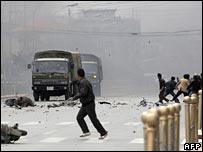 For the BBC, reporting China is a complicated affair at the best of times - and the current protests in Tibet present particular issues. Along with every other news organisation, China's internal security laws mean we can't get into the region without permission - that has been refused.
But in addition to our problems in the field, China also routinely blocks access to BBC services in most of the country. Until now, our international TV service, BBC World has been available in diplomatic compounds and in the big hotels aimed at foreign tourists.
But since the first reports of the protests emerged on Friday, even here, the BBC's reports on the trouble have been interrupted - not always terribly discreetly. Mention the Dalai Lama or trouble in Lhasa, and for a few moments the screen goes black. But getting accurate, first hand reports out of Tibet is a real problem. Without our own people on the ground, we're largely reliant on "eyewitness" accounts - we have no means of independent verification.
Fortunately, the BBC's former Beijing correspondent, James Miles, is in Lhasa and has been able to describe the situation on the ground. Now a writer for the Economist, James was reporting for the BBC when the Chinese tanks rolled into Tiananmen Square 19 years ago. It gives him an unrivalled perspective on the story.
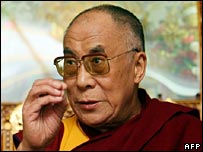 We've also managed to obtain some video of events on the streets of Lhasa. They show some of the violence between Tibetans and ethnic Han Chinese. Among the viewers was the Dalai Lama himself. At his news conference this morning, in his exiled home of Dharamsala in India, he spoke of his concerns at seeing on the BBC the pictures of Tibetans attacking Chinese. He said he'd resign as leader of Tibet's exiles if the violence worsened.
The irony of course, is that no-one in China will see the Dalai Lama's plea for calm; in Lhasa, BBC World is still being blocked while in Beijing, the signal is interrupted every time Tibet is mentioned.
Update, 05:00PM: Earlier this afternoon, the press counsellor at the Chinese Embassy in London, Liu Weimin repeated an offer made by the Chinese Premier Wen Jiabao in Beijing this morning. Mr Liu said the Chinese authorities would give serious consideration to organising a foreign press trip to Lhasa so the international media could see for themselves the situation in Tibet. We'd welcome this opportunity - there is no substitute to first hand reporting. The BBC is ready and waiting.
Jon Williams is the BBC's world news editor