


Arabic TV
- 10 Mar 08, 04:00 PM
BBC World Service launches a new channel tomorrow morning - BBC Arabic will be adding television to the mix. Initially it will broadcast 12 hours a day, moving to 24 hours later in the year.  Together with our radio and internet services in Arabic, it will form part of the first multimedia offer to the Arab world with programming scheduled across all three media - from the web, to radio, to TV.
Arabic was the first language beyond English the World Service launched 70 years ago. It was also the first language to have its own website. That track record means the BBC is well known and well respected in the region. Since then, of course, the Arab media market has exploded with many hundreds of channels now available. So why should the BBC offer a TV service and what will it be like?
The Arab world is one of the most important regions of the world. Events there affect all of us in some way, from terrorism and war, to oil prices and trade. It is natural therefore that the World Service should seek to reach as many people as possible with its broadcasts - and today that means being on TV which is now the most used medium for news and information. We won't, as some have suggested, be seeking to get more viewers than broadcasters like al-Jazeera or Al Arabiya. As an international broadcaster that is unlikely. However we believe we can be distinctive for Arab audiences offering an international, not just Arab, perspective on events and an objective approach to issues. It will have the same standards and values as any other BBC service, reporting on the rest of the world as well as the region. In surveys in the region, 85% of those asked said they would watch the BBC channel. We hope some 35 million people will be using the service in 5 years time.
Like the rest of the World Service, it is being funded by Grant-in-Aid from the Foreign Office - not the UK licence fee - which has led some of our competitors to suggest the channel will simply be Western propaganda. It won't. As with all World Service programmes, it will be editorially independent - something clearly written into our agreements with the Foreign Office - and will represent the same standards which have made the BBC one of the most trusted broadcasters in the world.
So the BBC Arabic newsroom is ready, the teams are recruited and trained, the pilots are over and from 10:00 (GMT) we go live. Wish us luck.
Here's how to watch:
BBC Arabic television will be free-to-air across North Africa and the Arab world on satellite TV via Nilesat and Hotbird, and also visible in the UK on Hotbird 8 (Transponder 50). It will also be streamed on BBCArabic.com
On Tuesday, when the new channel goes live, we'll post details here about how to watch online.
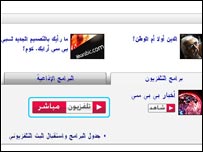 Update, Tuesday 11 March: To watch BBC Arabic's live stream online, go to BBCArabic.com and click on the red button (as pictured here).
Richard Sambrook is director, Global News

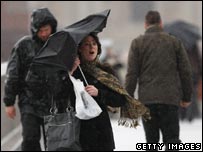 Forecasters at the Met Office were alerting us as early as last week, and yesterday the areas for likely disruption were clearly identified. But the gales were not the full story, as the strong winds coincided with spring high tides, increasing the risk of coastal flooding.
 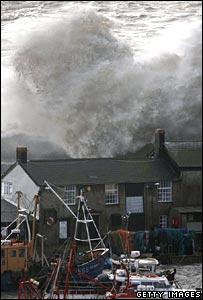 As the stormy weather lashed parts of the country, leaving homes without power and disrupting travel, the team kept updating the forecast and bringing the very latest information to viewers on TV, radio, online and mobile. The highest reported gust was 95mph on the Isle of Wight at the time of writing and this news was first to air on the One O’Clock News with Kirsty McCabe.