
The Great Northern Songbook - 1. Madame George
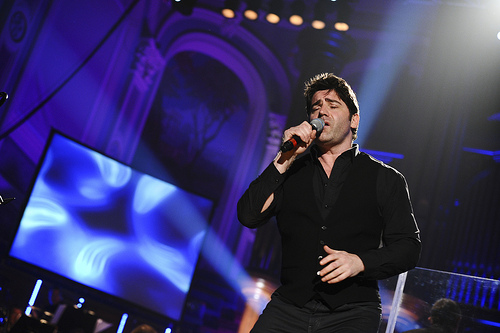
Of all the characters in the Great Northern Songbook, Madame George is by far the most amazing. We're not quite sure if the figure is male or female, but that only adds to the intrigue. In some parts of the song, George is sweet and carefree, outside of the conventions of old-fashioned Belfast. But then the tone changes, there's a messy situation and at the end of story and he's waving goodbye, headed to another town and a new future.
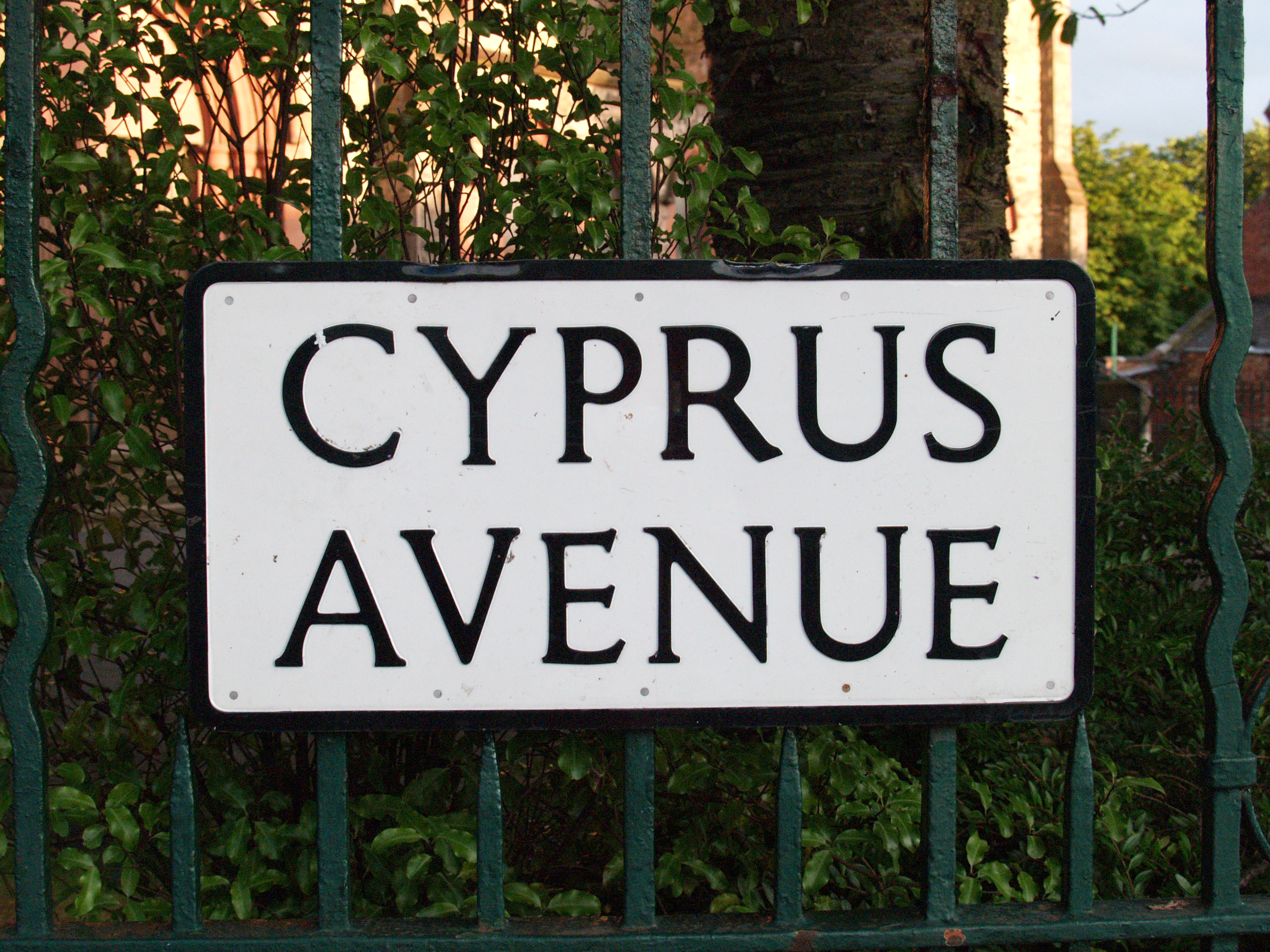
That's probably why Madame George was something different. There wasn't a cute chorus, and the song stretched well beyond the three minute barrier. Van pictured something exotic on Cyprus Avenue, a beautiful, tree-lined location near his old home in east Belfast. George is in high heels and accompanied by a soldier and a bottle of wine. Whatever happens though, it's not a sleazy encounter in the night air. George, it seems, has a pure heart.
The lyric spins off into street scenes and then onto a woozy party. But something goes wrong, there's a sudden panic about a police bust and George goes running off. Soon it will be time to get on the train and to find a more welcoming home elsewhere. By this stage, we know that George will be missed. The song gives him the saddest of farewells as the emotions well up and the singer is beside himself with awe and compassion.
The first recording of the song wasn't satisfactory. The music was throwaway and there were fake party noises slapped onto the mix. So on September 25, 1968, Van was in Century Studios, New York, with a new record deal, doing justice to his art. He was supported by a series of jazz musicians who had previously served with the likes of Miles Davis, Charles Mingus and the Modern Jazz Quartet. It was all about improvisation, about exploring the mood and the flow.
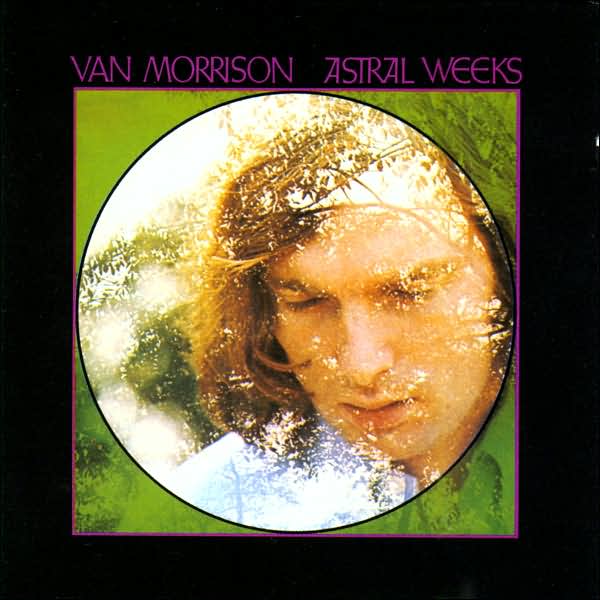
This was one of the three sessions that would deliver an album called Astral Weeks. It was a hugely impressive experiment that combined soul and jazz, blues and a tone that could only be described as Celtic. The words and the rhythms and the visions would be allowed to swirl. Van's voice was liberated from the pop format and he was using it as another expressive instrument.
Astral Weeks didn't sell well at first, but it steadily became a cult record, adopted by the baby boomers and the Aquarian dreamers. The songs were rich enough to support repeated hearings. Wisely, Van Morrison has never talked about who Madam George was or is. This isn't a literal song and it takes on a different, entrancing value for each listener.
Fans of the song have included David Bowie, Sinead O'Connor and Marianne Faithful. If you're very lucky, you will hear Van performing Madam George on stage, and the song may take an infinite number of directions. As the author has suggested, it's all about following the viaducts of your dreams.

Comments Post your comment