Focusing on Nature

Guest blogger
Guest blogger Lucy McRobert offers some words of advice for budding young naturalists.
Sometimes it can be hard to have an interest in something: the idea of having a hobby just isn’t ‘okay’ anymore. I certainly found that growing up – and no, it wasn’t actually that long ago. People still ask me ‘what do you want to do when you’re older?’ and I’m 23 years old! I tend to reply with a blank expression, because I’m still not quite sure.
I do know that I want to work in nature conservation, and I have a few regrets from my teenage years. When I was a kid, I remember filling my dad’s garage with snails: my friend and I collected over 300, and kept them all in various pots, containers and buckets; there was a slight hiccup when lots of baby snails were born and escaped. There was a spinney where we used to build dens, play hide-and-seek and make ‘potions’ – leaves and grass ground into a paste using rocks. We had Gameboys, too, and played things like Pokemon (it seems retro now?!), but vast proportions of our time were spent outside.
But then I stopped collecting snails and caterpillars and woodlice. Boys, social pressure and academia took up a lot of time; slowly we stopped going to play in the woods. I didn’t walk those familiar pathways for many years and that makes me sad now.
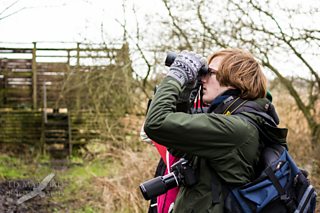
Photo by Ed Marshall
My epiphany moment came at the age of twenty at University, where I met likeminded mentors and friends. I remembered all the ambitions I had when I was younger: to work with animals, to be ‘outdoorsy’, to explore. Those dreams weren’t gone, they’d just been in hibernation and suddenly they awakened with a vengeance. My ambition now: simply, to make a difference. To protect nature, to enjoy it, and to remind people how brilliant it is.
I’ve told you this in the hope that you can relate. Maybe you’re young and facing a few problems at home, or maybe your friends don’t quite get nature, or perhaps you’re simply just losing interest. Maybe school is taking up a lot of time or you’ve got a new job.
I implore you, from the heart, to keep going: whoever you may be. Don’t let go of that spark: one day it could save the world. But if you are struggling, help is at hand:
- Find a patch. A patch can be anywhere, but often they are local. It can be a field, a park, a garden, a woodland, a nature reserve or even a brownfield site. Often the best nature encounters happen on our own front doorsteps, so get exploring.
- Get Online. There is a massive community of nature-lovers on the internet; social media has groups of naturalists who can support you, answer questions, offer friendship and guidance. Searching for groups like A Focus On Nature – a network for young nature conservationists – is a great start. They’re on Facebook and Twitter and all of their members are young, passionate and enthusiastic naturalists. They have a website, too. Just be safe and sensible online.
- Find a Mentor. There’s no substitute for having a role model to guide you, teach you and show you new environments. Again, A Focus On Nature can help you; just check out their Mentoring Scheme.
- Open your eyes. You don’t have to devote masses of time to nature and you can incorporate it into your daily routine. People often ask ‘when do you go bird watching?’ and I reply ‘I am always bird watching’. Whether I’m in the car, on a train, walking through a city, working at my desk, nature is everywhere: you just need to notice it!

Photo by Charli Sams
Finally, never stop caring. It’s very easy to think that nature is someone else’s responsibility and that they will pick up the pieces if it goes wrong. They won’t. No pressure, but it’s up to you, and every generation (our generation!) has their contribution to make. Hen Harriers, Turtle Doves, Corn Buntings – they’re all going extinct in England. Meadows are almost completely gone, as are ancient woodlands. If you believe in something, then never be afraid of fighting for it!
Lucy McRobert is an environmental historian, nature writer, wildlife blogger and creative director of A Focus on Nature.
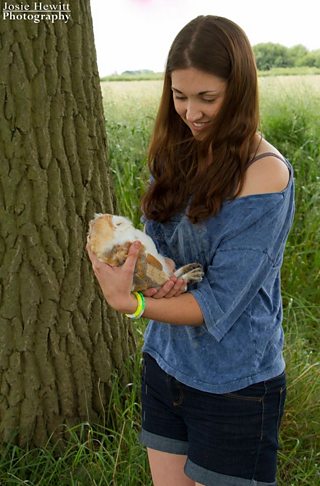
Lucy McRobert, photo by Ed Marshall
