We can do better together

Earthwatch Europe
Partner organisation of the Watches
There’s loads that you can do to help local wildlife in your space, like planting flowers for pollinators, digging a pond or adding a hedgehog house. Naturehood has lots of helpful guidance and resources for taking action for wildlife in your space, no matter the size. But by linking up with our community, together we can make an even bigger impact.
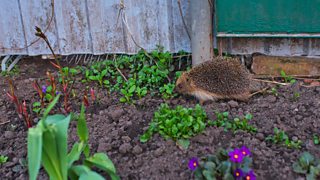
The latest scientific understanding of ecosystems describes their state based on three vital factors, all of which we can restore more effectively by working together:
- Dispersal
This is how plants and animals move to new areas. - Disturbance
Temporary changes in the environment - Trophic complexity
In our case, this is the size and connectedness of the food web. A high trophic complexity would exist in a space that attracts not only beetles and slugs, but also things like blue tits and frogs that eat them. If the space also attracts top predators like a heron or sparrow hawk, the trophic complexity would be even higher. The higher it is, the better!
Dispersal
A lot of species can fly between spaces, making dispersal easy. But that is often not the case!
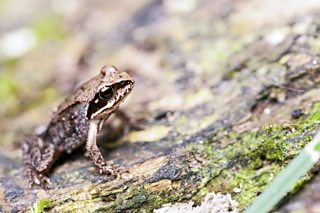
When frogs and toads emerge in spring ready to breed, they cover long, dangerous, distances over roads and around fences, trying to get to the perfect mating pool. Hundreds of them die every year, because they can’t find a safe path between human-made barriers. And the same goes for thousands of hedgehogs.
How can we help?
Talk to your neighbours and suggest you put CD-sized holes in the borders between your spaces. Together you can create a safe highway for hedgehogs and amphibians away from roads! If your community wants to make an even bigger difference, an even better solution is replacing fences with hedge. Hedges provide an easy way through and can also act as a perfect pit stop for birds and insects looking for food and shelter. Find out more about creating a connected wildlife community with Naturehood.
Disturbance
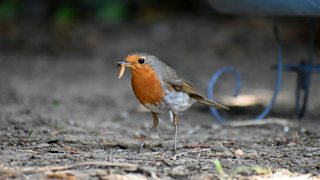
This is when things get shaken up! In your space, it could be when a twig or branch falls from a tree; or when you turn over soil or rake up leaves. When these things happen, it creates new opportunities. Turning over the soil may expose insects for a hungry robin and raking up leaves creates a great temporary habitat for frogs and hedgehogs. These events can also trigger dispersal: some wildlife might leave, and new wildlife might arrive. This keeps things fresh and can make the food web more complex and lead to a healthier ecosystem.
How can we help?
Coordinate your disturbances! Chat to your neighbours and see what they’re planning. If you all prune hedges at the same time, the disturbance might be too great and harm some species. You could stagger your pruning along the street! Or perhaps have a digging day – if lots of spaces turn over fresh soil full of insects, the birds will have a field day. Have a cup of tea together over the garden fence while you’re at it! There are a lot of exciting ways you can disturb your space for wildlife on Naturehood. Have a chat with your neighbours and see what you can do!
Trophic complexity
There is an idea of what gardens and parks should look like, which originated in Victorian times. This contains lots of straight lines and a definite lack of ‘mess’ – the more wild, complex space where wildlife thrives. By over-manicuring and pesticide-spraying, we remove the depth that wildlife needs.
How can we help?
Leave the Victorian ideas behind! Talk to your neighbours: could you be messier? Add complexity to your spaces with compost heaps, long grass and dead wood. Is there a communal area that you could add these features to? If you start leaving long grass instead of mowing, you could put a sign up explaining that you’re helping wildlife. It could start a conversation!
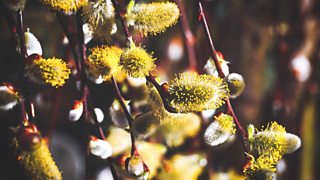
More complex spaces with more habitats on offer will support a wider range of species, helping to restore biodiversity and create a heathier ecosystem. A good example is to think about fruiting plants. Your neighbourhood may only have one or two species, so wildlife can only feed for a couple of months each year. If you and your neighbours introduce species like willow that grow catkins very early in the year, together you can provide natural food sources for wildlife all year round!
What’s the best thing we can do for wildlife?
Create a network of ponds. That might sound daunting! But if you and your neighbours connect your spaces, and add even the tiniest pond, it can make a huge difference. Ponds are living features that change through the year, supporting a whole ecosystem: from aquatic plants and animals to the countless things that feed on them. Everything needs water! So this is a brilliant way to help dispersal, disturbance and trophic complexity all at once.
Don’t forget – we can do better together! In the last century, we have lost around half a million ponds in the UK. We can make a huge difference by adding some back! Head to Naturehood for some great advice and guidance on getting started with ponds for spaces of every size.
