Peering at puffins and other seabirds on the Yorkshire coast

Guest blogger
Spring is in the air, literally, as seabirds start to return to Yorkshire’s coastline for the breeding season, writes Yorkshire Wildlife Trust's Jess Charlton....
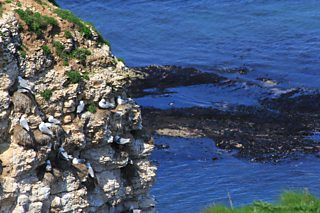
Kittiwakes at Flamborough Head. Credit: Jim Horsfall.
Hand on heart I’m not really a huge fan of winter so I take extra special pleasure in observing the changing season. Snowdrops followed by crocuses and bluebells, catkins on hazel trees, garden birds like the robin heightening their territory defences through song, winter feeding flocks of long-tailed tit separating off into pairs and scoping out suitable places to build their awesome nests, and toads, returning to ponds via my garden. There really is a lot to take notice of.
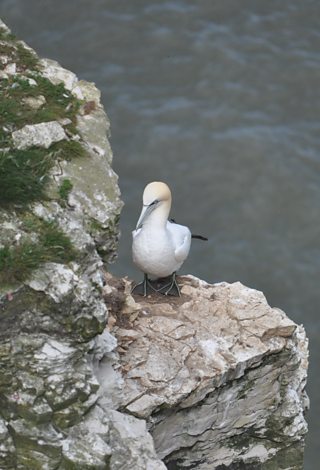
The Yorkshire coast is a real stronghold for gannets. Credit: Paul Carter.
To completely brush away the winter blues last weekend I took a trip to Flamborough Head on the Yorkshire coastline. I am a regular visitor to this European Marine Site; it’s spectacular all year round. The chalk headland consists of tall cliffs and networks of sea caves that stretch into reefs; wonderful for rockpooling or snorkelling. The most notable seasonal change here is from April onwards when the seabirds start to arrive for the breeding season. Guillemots, razorbills, kittiwakes, fulmars and puffins return to the coastline following their considerable time at sea, along with herring gulls and shags. Gannets, a personal favourite of mine, head to England's only mainland gannet colony at Bempton Cliffs. Gannets are incredibly striking seabirds with lots of character. Yorkshire is very fortunate to have them return year on year in huge numbers; the colony has over 200,000 birds. Bempton Cliffs Nature Reserve, run by the RSPB, is a fantastic place to watch them. Knowledgeable staff and volunteers are on hand to help you learn more about this special seabird colony. Of course you will also spot many of the other seabirds I’ve mentioned there too, including the puffin!
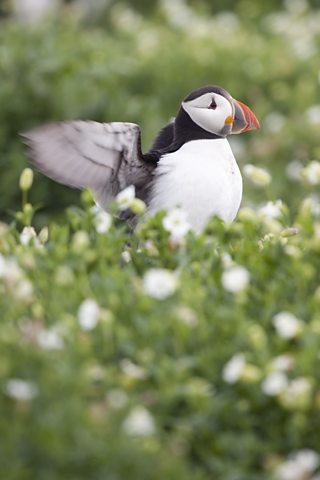
Puffins return to breed from mid-April. Credit: Tom Marshall.
Puffins return to Flamborough Head from mid-April with many returning to the same breeding spot as previous years; raising their young within cracks and crevices in the chalk cliffs. The early days are spent renewing pair bonds and cleaning out their nest site so it's puffin perfect for incubating their one egg and raising their young puffling. Puffins are wonderful communicators, using a range of calls and body language to keep themselves out of trouble. That said, things can certainly escalate into quite the fight should a puffin’s behaviour cross the line! It takes around ten weeks from egg laying for a puffin pair to raise their chick, after which you may be lucky to see young birds on the water around Flamborough Head, made obvious by their darker heads and bills. They won’t return to the cliffs until they are ready to breed at around five years old, with a mate whom they have chosen at sea. Yorkshire Wildlife Trust’s nature reserve, Flamborough Cliffs, is another great place to spot puffins, guillemots, razorbills and kittiwakes.
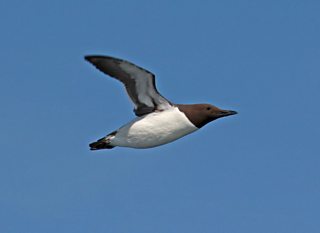
Flamborough Cliffs are a great place to see Guillemots. Credit: Martin Batt.
Towards the end of last year our Atlantic puffin received some bad news. The species is now classed as critically endangered on the International Union for Conservation of Nature (IUCN) Red List of Threatened Species for birds. And whilst we can protect this wonderful seabird during the few months it spends on land, we must do all we can to help secure its seafaring lifestyle by protecting the marine habitats that support its diet of sand eels, and preventing marine pollution and litter.
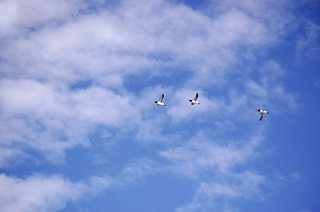
Razorbills also nest on the Yorkshire coast. Credit: Anthony Hurd.
You too can experience the sights and sounds (and smells!) of a seabird colony and party with the puffins as the clown of the seas returns to its clifftop burrows; two of more than 60 sensational seasonal spectacles to be experienced in the UK. The Wildlife Trusts’ online guide homes in on the charismatic, the mysterious and the shimmering gorgeous – from gannets to glow worms, newts to nightingales, and bluebells to butterflies – and shows you how to get closer to the wild. See www.wildlifetrusts.org/lovewildlife for more details!
