Winterwatch? Feels more like spring!
For the last three months, the Woodland Trust has received an influx of reports that suggest spring events are happening earlier than expected. This data, sent in by members of the public, is a reminder of how native species are struggling to keep up with a changing climate.
What’s been spotted so far?
Amongst 128 ‘unusual’ records sent in through the Nature’s Calendar project, observations have included spring signs such as snowdrops, lesser celandine and hazel flowering in November.
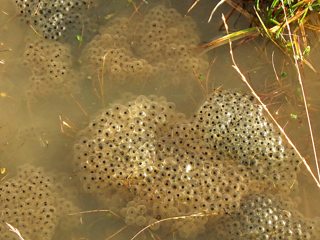
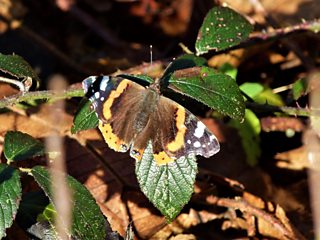
In terms of wildlife, people in Cornwall have seen frog spawn in December, ladybirds were spotted in Wigan just a few weeks ago, and a red admiral butterfly made an appearance in Ashford on the 10th January.
So, what does this mean for the UK's native flora and fauna?
It’s evident that milder weather has encouraged some species to come out of hibernation or to start mating - but the risk is that a sudden cold snap will put these animals in danger.
For example, as frogs breed once a year, if this is done too early and the eggs are destroyed by the cold, the breeding effort for that year has been wasted. It’s not all doom and gloom though; some animals will simply return to hibernation and most flowers will return again when spring gets into full swing.
Can anything be done?
We need more data to enrich our view of these changes, and whether they are becoming more common place.
Citizen science data can even be used to detect species decline.
By joining Nature’s Calendar, you can add to this as part of day-to-day life. The next spring events we’ll expect to see, rooks nesting and hawthorn budburst - so keep your eyes peeled, and get recording!
