How restoring saltmarsh can help us fight climate change

WWT
Partner organisation of the Watches
“Code Red for humanity.” The IPCC report published earlier this year was clear on what the prognosis is if we don’t confirm deep cuts to emissions by 2030. Yet the floods, droughts, storms and wildfires don’t just affect humans – they are also devastating for the wildlife that we share the world with. Birds blown off course, animals flooded out of their homes during breeding season, warming seas playing havoc with our marine life, invertebrates reduced to enclaves in the last scraps of wildness in the land. Nature lovers everywhere are noticing the changes, and the UK is no exception.
We can’t look away from how serious this problem is. But focusing on the negatives will only get us so far. It’s now time for organisations to take a two-pronged approach to taking action and providing solutions.
For there are solutions out there, with some just now emerging. And one solution doesn’t lie in new, expensive, carbon-capturing technology, but in the ground beneath our feet.
The carbon storing properties of trees are often much vaunted, and this is indisputably true. The power of the Amazon, the green lungs of the world, is one of the most valuable things we can draw on. But trees can only hold on to carbon for as long as they live, and deforestation, wildfires, and other things that cut their lives short are increasing. There’s the added complexity that planting new trees takes a while to be effective, as these are slow growing beings. We need more, complementary, solutions.
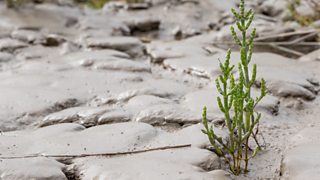
Enter: wetlands. Certain wetlands like saltmarsh and peat bog bury carbon in the ground, trapping it there for thousands of years. Providing the wetland is not degraded, they can store vast amounts of carbon. What’s more, saltmarsh habitats can be restored, and start storing more carbon at an unprecedentedly high rate. The properties of wetlands have not been much studied, as previously these comparatively rare habitats have often been dismissed, built over or drained.
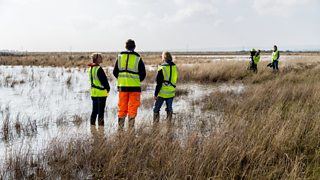
Excitingly, newly published research from Manchester Metropolitan University has found that one restored coastal saltmarsh in the UK stores as much carbon over four years as just over one million new trees grown for ten years.
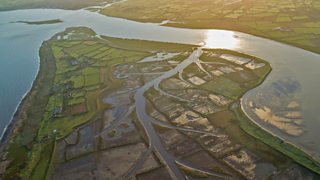
The study’s authors found that the 250 hectare (c. 467 football pitches) restored saltmarsh at WWT Steart Marshes in Somerset:
- Buried organic carbon at a rate of over 19 tonnes per hectare per year, resulting in a total of over 18,000 tonnes of carbon (67,000 tonnes of carbon dioxide) being buried at the site over the four year study period
- This is equivalent to
- taking 32,900 UK cars off the road for one year
- the greenhouse gas emissions from powering 77,930 UK homes for one year - The rate at which carbon was stored was 18 times higher than the rate currently being used to estimate the carbon storage potential of saltmarsh in the UK
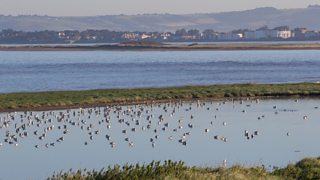
We’ve always known these habitats were valuable places, after 75 years of protecting them: throughout each season the saltmarsh provides a home to an astonishing range of plants, animals and birds. Now we know that as the marshes support life above ground, they’re also supporting us below.
WWT’s policy and advocacy team have been calling on global leaders to make a commitment at the COP 26 conference to support the preservation, creation and restoration of coastal habitats such as saltmarsh to store carbon to support our efforts to reduce the impacts of climate change. Find out more about our work on blue carbon.