Warbler watcher's week: Autumn bird migration news 18 August 2011
Post categories: Autumnwatch, Migration news
 |15:05 UK time, Thursday, 18 August 2011
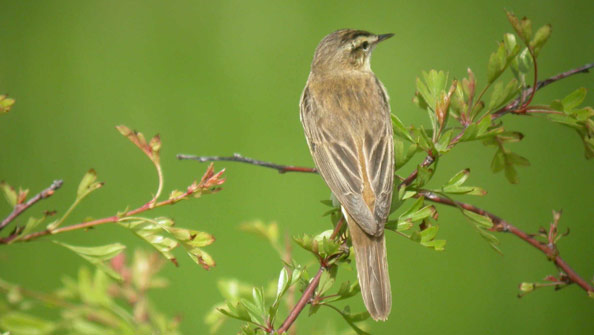
Sedge warbler migration is now at a peak © Dawn Balmer/BTO
Last week it was the swifts, this week sedge warbler migration is at its peak. Large numbers of this intricately-marked warbler are passing through watchpoints on the south coast right now. This was illustrated perfectly at a bird ringing site on the Pett Level in East Sussex this weekend. A team from the BTO joined the regular ringers to help get a handle on the huge volume of birds leaving the country at the moment. Of more than 2,000 birds caught and ringed, about 25% were sedge warblers. The Birdtrack reporting rate shows perfectly how this species is flooding out of the UK.
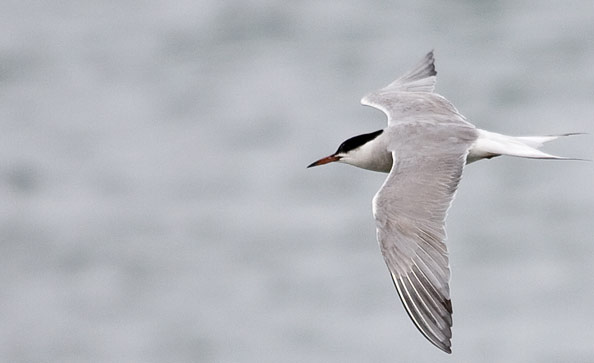
Common terns have become more obvious offshore © Andy Mason/BTO
Other species that were well represented were willow warblers and whitethroats, while sand martins (our earliest departing member of the swallow family) far outnumbered swallows at the evening roosts.
Juvenile cuckoos are starting to leave © Andy Musgrove/BTO
Common terns have become more obvious offshore as they make their way south in migrating flocks, 2, 530 were counted past Spurn Point on 16 August. Flocks of migrating terns flying just above the waves determinedly heading south provide one of the greatest spectacles of autumn migration. However, this week the terns at spurn were eclipsed by swallows; 7,500 were counted heading south over there on the same day. Over the next few weeks the number of these two species should increase as more and more begin their migrations.
The first juvenile cuckoos are also beginning to appear at coastal watchpoints. It's interesting to think that some of these could be the youngsters of the BTO satellite tagged cuckoos that are being followed to their wintering grounds which are already south of the Sahara.
Question of the week: What triggers migration?
It's largely recognised that there are two types of migration. Obligate - controlled by genetics - and facultative - controlled by external factors such as local weather conditions. For birds such as swallows, terns and cuckoos, it is obligate migration that we are interested in.
Change in day length is an important factor in the timing of migration for obligate migrants, and coupled with the genetic influence, can give greater year-to-year consistency in the timing of migration in individual species. For example, British swifts largely tend to leave the country during the first week of August.
Have you noticed any birds leaving yet? Anything unsual or suprising? As always, we'd love to hear, so post a comment below.

Comments Post your comment