
Predicting the future of TV
Colleagues right across the BBC, in TV, Strategy, Marketing and Audiences and here in Design & Engineering, are giving a lot of thought at the moment to the future of TV. Things have changed a lot since the launch of BBC iPlayer 10 years ago, and, if the corporation is to stay relevant to its audiences and their changing habits, it will need to address some big trends.
In a series of reports entitled Foresight, BBC strategists are looking at the emerging technological developments that will change viewing habits in the next 5-10 years.
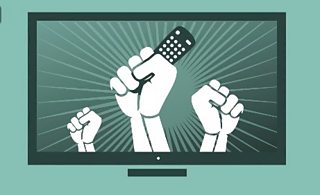
The report, entitled The Revolution will be Televised, found 5 main challenges for the future of TV:
- Connectivity: The infrastructure that supplies our homes is improving. Over the next three years, the number of homes with connection speeds of 30mps or more will grow and it's expected that by 2037 most TV will be delivered by IP rather than traditional broadcast technology
- The TV set itself is changing. Until recently most viewers saw the EPG (electronic programme guide) or a broadcast channel by default when they turned on their box. Now TV service providers are putting on-demand or pay TV options ahead of the linear EPG. Others are offering TV sticks so you can plug their services straight in....or have voice controlled apps built into the TV
- Personalisation: Through subscription information, companies like Amazon and Netflix are providing content tailored for the viewer, while the BBC is experimenting with different endings to programmes or even food programming depending on what's in your fridge
- Tech giants are making big inroads into TV content. Facebook is eyeing up sports rights such as cricket and baseball, partly to attract more advertisers. Google is investing heavily in Youtube as its video platform. Netflix and Amazon appear to be in a spending war worth billions on original content while Apple is also entering the market with a reported initial fund of $1 billion.
- User generated content: Cheaper TV making equipment is making it easier for the amateur film-maker community to deliver more sophisticated content...and through a growing number of platforms and channels, its easier to deliver it to their growing audiences.
The BBC challenge
So what does this mean for BBC services? Clearly there will be challenges ahead of creating new formats, new types of programming and even new ways of delivering programming. The BBC has a history of combining technical innovation alongside its content from the beginning of radio and TV and into the internet age. Can it keep pace now though?
A recent panel of TV and D&E senior management was quizzed on this. One of the main conclusions of the discussion was that keeping up to date with new trends had to be balanced with offering value for money for the licence fee and providing universal services for all audiences. So it's a tricky balance.
While there's unlikely to be an immediate revolution, there will be plenty more evolution of TV services to update you on via this blog.
