Connected Studio: One Planet

Eva Appelbaum
Head Digital Strategy
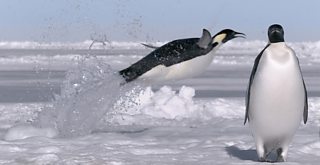
Last week I had knee surgery and as they were preparing the anaesthesia one of the medical team causally asked me what I do. Rather than get into a long-winded explanation about digital transformation, I told them that I am currently working with the people who make BBC Natural History programmes, like Planet Earth, Africa, Frozen Planet. They all stopped in their tracks… “Wow!” was the collective response. “Those shows are amazing…” “The best thing the BBC does…” Before I had a chance to explain that sadly I can take no credit for them whatsoever, they put me under the anaesthesia. The last thing I remembering hearing was "I am so impressed." This story encapsulates the sentiment that so many people share, in the UK and around the globe, that the BBC’s landmark Natural History productions are one of the jewels in its crown.
Natural History is a perfect candidate for exploring digital innovation. The genre transcends language, age, politics, geography. Wanting to feel connected to & inspired by our planet something people yearn for. The BBC’s television programming has been satisfying this need for decades, but has yet to master how to do the same via digital media.
Can we take something like the next big landmark production (working title: ‘One Planet’) and weave an integrated and innovative digital idea within it? Filming for this programme has only just begun, and with 60+ shoots over the next few years, in countries all around the world, the opportunities for shaping content or experiences beyond television seem endless.
One Planet looks at the complex story of diversity and it is being filmed using an immersive approach – allowing viewers to experience the world through the eyes & senses of its animal protagonists. Therefore the Connected Studio challenge will be to use digital technologies to immerse audiences deeper into these natural arenas. This digitally powered experience should heighten our audience’s emotional connection to our planet & the ingenious animals we share it with.
We are looking for exceptional ideas that can stand up to the established quality of these programmes, but that can also work in their own right. Because BBC nature landmarks are co-funded with BBC Worldwide, the audience is global. Planet Earth was broadcast in over 250 countries around the world, so the scale of this pilot is potentially huge.
If you are interested in being part of the reinvention of nature landmarks for the digital age, please do visit the Connected Studio website and read the brief.
We are looking for the best creative digital minds in the UK. People who are fascinated by the future of digital stories, creative technology, the evolution of television and interactive content. If you are working in a digital agency or as a freelancer, or at the BBC, please join us on the day!
Eva Appelbaum is Head of Digital Strategy and Innovation, Landmarks, BBC Natural History Unit
