

C&G: A brand without a branch?
So the axe falls in Gloucestershire.
Five months after Lloyds TSB merged with HBOS and announced they had to cut £1.5bn from their costs, the first big cut hit home in the West Country.
Some had worried they would axe the C&G altogether. Why keep a medium-sized mortgage house when you have captured the castle, the UK's biggest lender: Halifax?
Optimists had soothed that the C&G had survived one merger (with Lloyds in 1995) and was "untainted" by the banking crisis. There is something in this. Indeed, most people don't even realise the C&G is part of Lloyds after 14 years.
Instead, the bean-counters have split the difference. Keep the C&G brand, offering mortgages and savings, but close all 164 branches. 833 full-time jobs will go. (Here's how they describe it in full.)
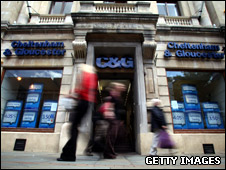 Walk down Westgate St in Gloucester, and you see their point. The beautiful Georgian C&G building is just two doors from the sign of the Black Horse. When it closes in November, customers will simply walk into Lloyds 10 yards along the road.
In fact, the bank's review found that the "overwhelming majority" of C&G branches were within 400 yards of a Lloyds or Halifax.
In Broadmead, Bristol you can see Halifax, Lloyds and the C&G from the same spot. From North St, Taunton you just walk round the corner to Fore St to find the Lloyds branch.
You can imagine the bean-counters wandering round shaking their heads at all the rent, the shopfitting, the wages being doubled and trebled round the country.
Obviously there are 833 people today who have lost their jobs. 833 more credit crunch casualties. And as staff proud to work for a highly successful bank that had steered clear of the global storm, they probably feel a bit sore that they are paying the price for the gambling at HBOS.
But in Barnwood they are sighing, slowly, with unsure relief. 1,200 people there run the C&G's head office operations. They check mortgages, invent new products, dream up marketing campaigns. For now they are safe. But for how long?
Apparently only 6% of business comes to the C&G through the door of a branch. Makes sense doesn't it? You're buying a new house so, logically, you pop into a random bank with a nice logo and ask them to lend you some cash.
No, these days people scour the price-comparison sites, the papers, the brokers to find the best deal. And the C&G will still pop up even if the only building with its name on is on the outskirts of Gloucester.
Won't it?
Can a brand survive without 164 reminders of its real presence all over the UK? And is Gloucestershire a little poorer tonight, as one of the county's biggest names passes into High St history? Thoughts please...
 Hello, I’m Dave Harvey – the BBC’s Business Correspondent in the West. If you’re making hay in the markets or combine harvesting; scratting cider apples or crunching tricky numbers – this is your blog too.

Comment number 1.
At 18:07 22nd Jun 2009, DannyCox wrote:The brand can survive, the question is will the Lloyds Banking Group want it to survive? If 94% of its business is done on line or through Lloyds Branches, it has every chance. Presumably C & G has something to offer that the Halifax cannot or it would not have survived this long?
Ignoring the high profile failure of a few, there are many "internet only" banking brands. Think First Direct, ING, Egg, Smile and Cahoot to name a few. Sainsburys and Tesco currently offer their banking services on line, though Tesco is moving banking into their stores.
Thoughts go to those facing redundancy.
Complain about this comment (Comment number 1)
Comment number 2.
At 11:57 24th Jun 2009, mark dampier wrote:there will be i'm afraid a drip drip of furthur bad news for bank workers,putting 2 banks together will mean many thousands being laid off.Will they need to huge buildings at Harbourside?
Complain about this comment (Comment number 2)