
Do we care too much about our biological roots?
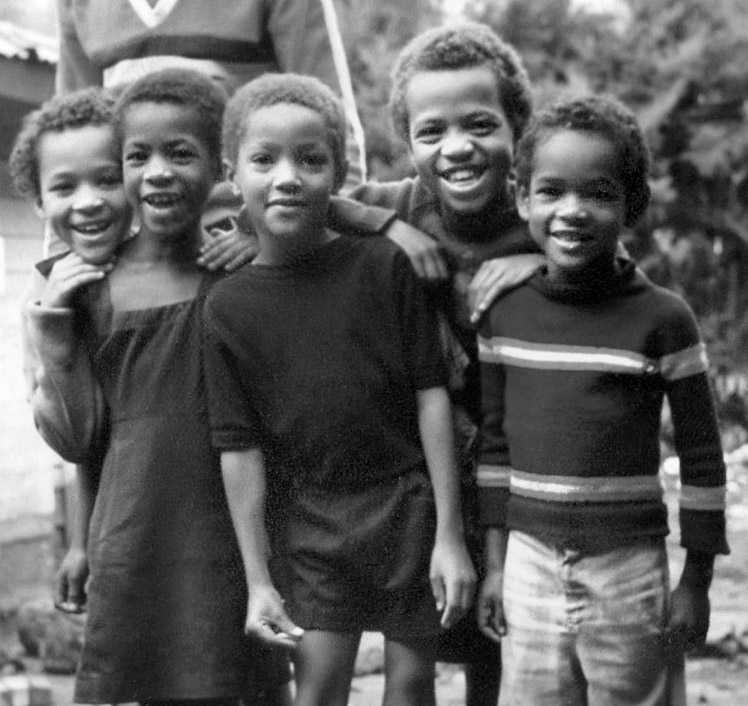
A woman in Kenya, Flora Otiende, who was abandoned as a baby, is trying to trace her family via a national paper. Flora Otiende, who is now 50, says not knowing where she comes from is a big issue for her: "It really disturbs me. It's like a disease now." She says she will not relent in her search, no matter how long it takes.
What is your reaction to her quest?
In many African cultures, knowing who your ancestors are is crucial to your identity - and to issues around marriage, and other important social rites of passage.
But should our biological roots matter this much?
Couples unable to have their own children often suffer great heartache - and yet there a millions of orphan children in Africa in need of parents.
Should our identity - or our value - be predicated on who our people are, or who we are as individuals?
If you would like to debate this topic LIVE on air on Thursday 25 August at 1600 GMT, please include a telephone number. It will not be published.


Comment number 1.
At 18:25 24th Aug 2011, Sigismond W wrote:Cultural identity is a hallmark for most Africans and should be maitained. Knowing your cultural roots can ehance social bonds and strenghten social capital. Cultural identity is essential in a world in which cultural uniformity is increasingly becoming in 'norm' in a globalized world. Yet, as society evolves cultural modification is inevitable, especially in cosmopolitan societies.
Complain about this comment (Comment number 1)
Comment number 2.
At 23:05 24th Aug 2011, Kingsley O wrote:Our genetic, ethnic and cultural roots are vital parts of whom, who, and what we are. African slaves in the Americas and the rest of the world were stripped of their African names, culture and deprived education for a reason. 1/2
Complain about this comment (Comment number 2)
Comment number 3.
At 23:09 24th Aug 2011, Kingsley O wrote:Unlike Italian-Americans, Jewish-Americans, Irish-Americans, Mexican-Americans and other ethnic groups, sadly, descendants of slaves in America cannot precisely trace their family trees to a specific family, village, town and country in Africa. 2/2
Complain about this comment (Comment number 3)
Comment number 4.
At 10:51 25th Aug 2011, nibelungen wrote:the biological, cultural and ancestors roots are very important if you were born in Africa and then grew in the westerners cities... you must be always very proud of your origins... of your culture and the story of your people.
couples that have adopted an orphan children in a different continent must to hold this issue always in their mind
Complain about this comment (Comment number 4)
Comment number 5.
At 19:18 27th Aug 2011, Foday Amara wrote:yes, i will say because one knowing he/ she came from is very important . There are many people who do really know their root, because some have been read by non relatives, non biological parents etc. In short it is very important to know your biological root.
Complain about this comment (Comment number 5)
Comment number 6.
At 09:23 29th Aug 2011, Artur Freitas wrote:The few people I know that don't know where they came from gave me the answer. Like Flora from Kenya they won't have peace until they know where they come from. Knowing where one comes from is one's natural and irreplaceable identity. I can trac my father's side ancestor's 1200 years and my mother's 450 years and I'm proud of my family history.
Complain about this comment (Comment number 6)
Comment number 7.
At 13:16 29th Aug 2011, cypresrhicin wrote:Which people doesn't care about their ancestors or roots?
Complain about this comment (Comment number 7)
Comment number 8.
At 11:53 30th Aug 2011, jagajaga wrote:there is nothing peculiarly african about a search for biological parents at large as you suggest.
perhaps you ought to have provided evidence that this does not happen among non-africans????
Complain about this comment (Comment number 8)