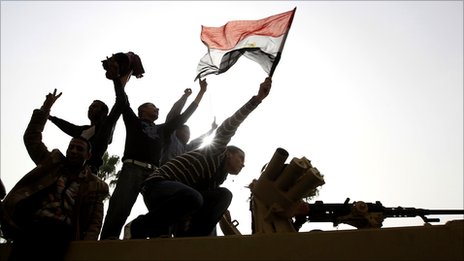
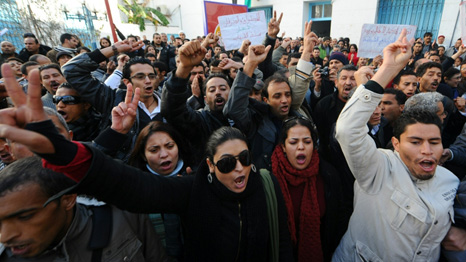
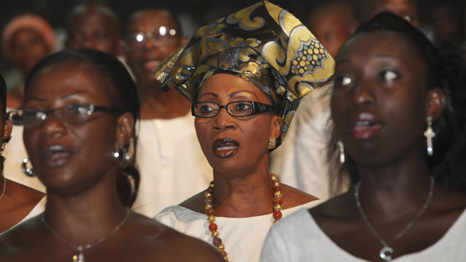
Egyptian President Hosni Mubarak is trying to reassert his control by offering talks with opposition groups and instructing his new cabinet to tackle corruption, maintain economic subsidies and move towards political reform.
Should the protestors compromise their demands for the sake of peace? Will this be enough to keep President Mubarak in power?
And how will what is happening in north Africa affect sub-saharan African?
Join the debate here on the Africa Have Your Say at 1600 GMT on 1st February . If you would like to take part in the programme please leave your number
The 26th January marks 20 years since the fall of Somalia's last President Mohamed Siad Barre. Since then the country has been reduced to a battle zone with its image overshadowed by war and conflict.
To mark this anniversary BBC Africa Have Your Say is asking what role young Somalis hope to play in their country's future.
The programme will be broadcast from the Horn of Africa community centre in west London, and we'll be linking up with Minnesota Public Radio, a city which has the largest Somali community in the United States.
Young Somalis in both venues as well as in Mogadishu will be able to talk about their sense of identity, and their relationship with their homeland under the most trying of circumstances.
Do you have a question you'd like to put to them? How do they see the future? What would they do if they were running the country? Is Somalia simply ungovernable?
If you would like to debate this topic LIVE on air on Wednesday 26th January at 1600 GMT, please include a telephone number. It will not be published.
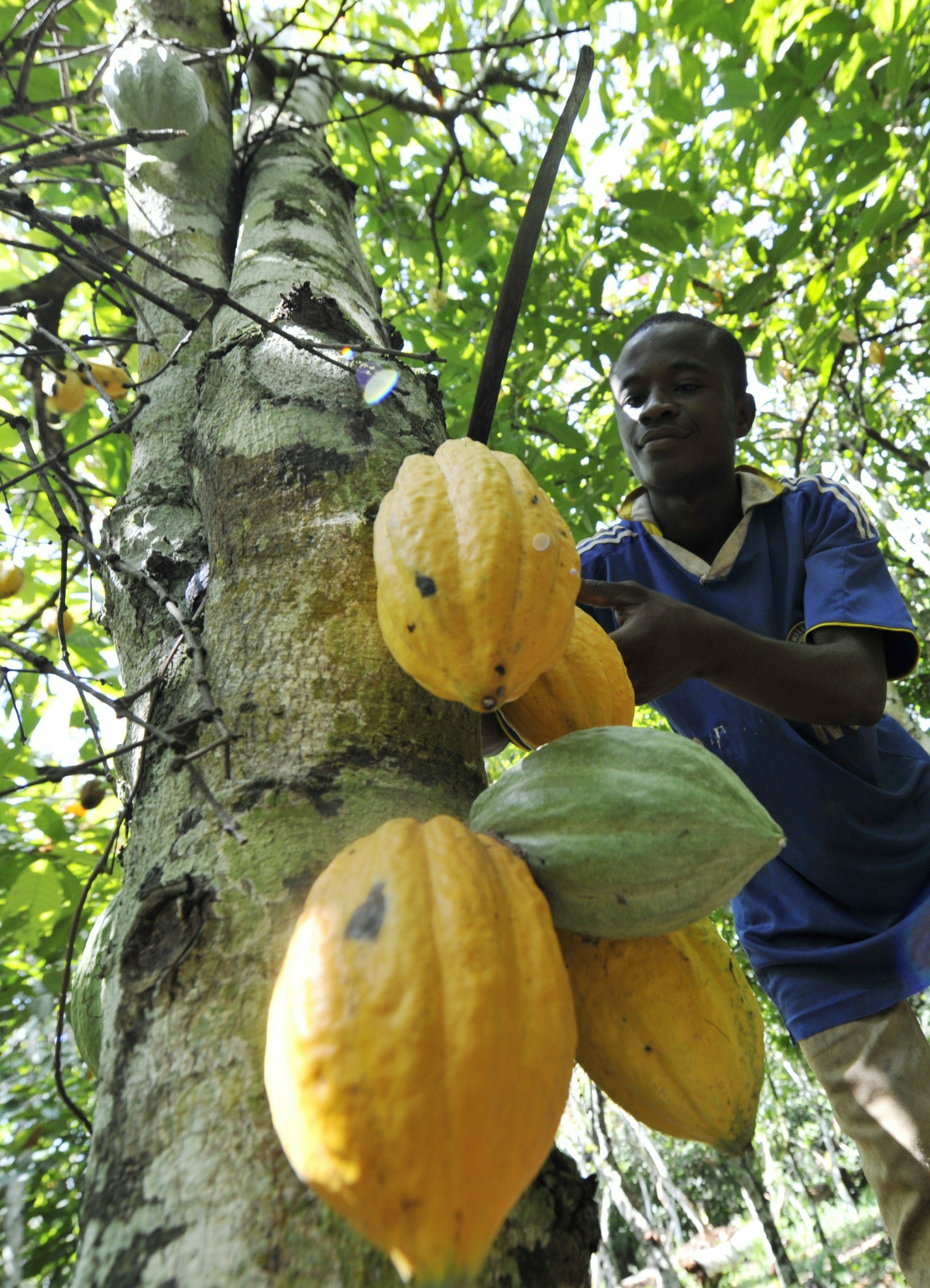
Alassane Ouattara, the internationally recognised president of Ivory Coast, has called for a month-long ban on cocoa exports. Ivory Coast is the world's biggest cocoa exporter and 700,000 households in Ivory Coast rely on the cocoa industry for income.
The brown beans are also a key source of revenue for Laurent Gbagbo, who has rejected pressure to step down.
But can a cocoa ban oust Gbagbo?
If not, what would? How do you find the right sanctions?
If you would like to debate this topic LIVE on air on Tuesday 25 January at 1600 GMT, please include a telephone number. It will not be published.
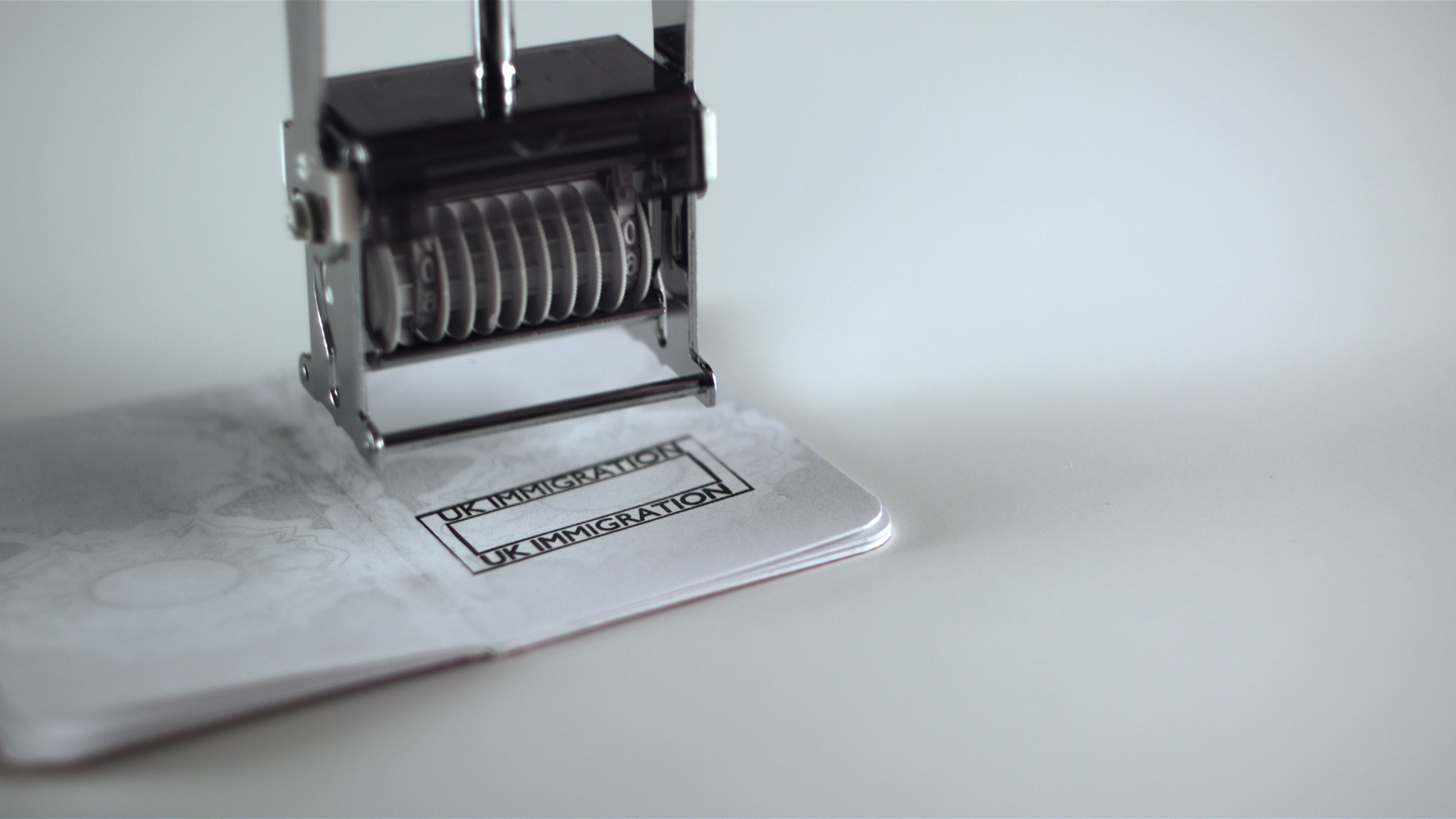
What does it take to get a visa to the United States? Each year, thousands of Africans apply for tourist and immigrant visas to the US.
What requirements do you need to meet in order to succeed and why might you be turned down?
Today on Africa Have Your Say, it's your chance to put questions to the US embassy in South Africa.
Have you had trouble getting a visa to the US, UK or elsewhere? Tell us your visa stories.
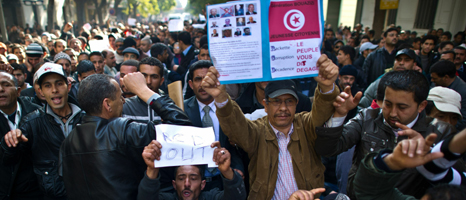
As Tunisia's new interim government battles for legitimacy following the ousting of President Zine al-Abidine Ben Ali last week, Africa HYS is looking at the political implications for the region.
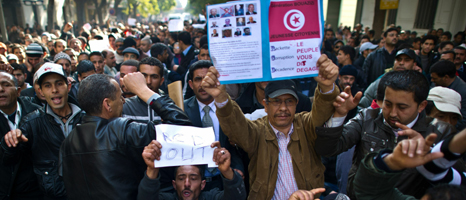
Tunisia's neighbours have been largely silent as the crisis unfolded and some analysts talk of nervousness among the leadership in North Africa over the possibility of a replay in their own backyards.
But as "people power" sparks changes in Tunisia, is long term political reform possible - or even desirable - in north Africa? If you're in the region, what changes would you like to see happen where you are? Are there enough experienced politicians to provide strong opposition? How do you see the role of the army? Is multi-party democracy suitable for north Africa?
If you would like to debate this topic LIVE on air on Wednesday 19 January at 1600 GMT, please include a telephone number. It will not be published.
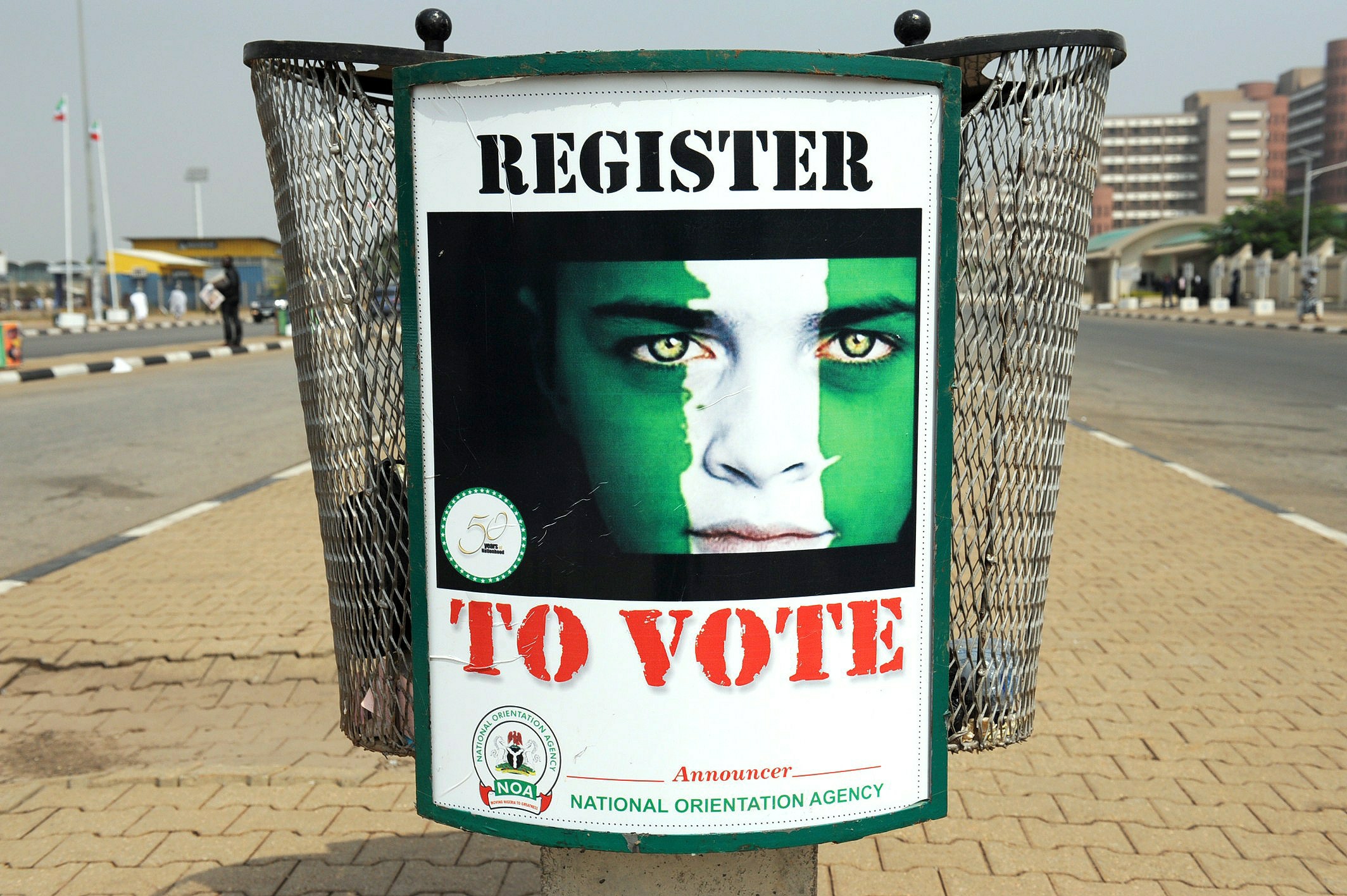
Registration has begun for April's polls in Nigeria, although complaints are already being made about the process.
The Chairman of Nigeria's Independent National Electoral Commission, Professor Attahiru Mohammed Jega, is live on the programme ready to answer your questions.
Stephen Amponsah from Ghana wants to know:
"What mechanisms have been put in place to make sure that the electoral process will be conducted in a free and fair manner?"
What would you like to ask? Include your number if you want to put your question live on BBC Africa Have Your Say at 1600GMT on Tuesday 18th January.
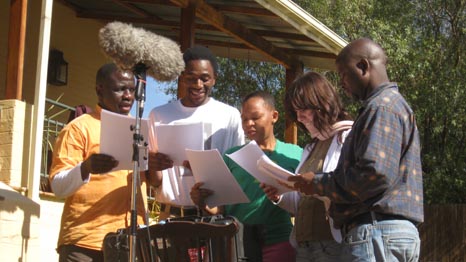
The deadline is approaching for BBC listeners to enter the 2011 African Performance playwriting competition but what impact do you think drama has in Africa?
What kind of drama do you enjoy, be it on radio, film or on television?
Have you ever seen or heard drama that made you stop and think, or even changed your attitude towards something?
Can a writer say something through drama that is too difficult to express in real life?
Do you have ambitions to be a playwright? If so what topic would you like to write about?
If you would like to debate this topic LIVE on air on Thursday 13 January at 1600 GMT, please include a telephone number. It will not be published.
Kenya’s education minister says pupils who fail end of year exams will no longer be kept down to repeat the year. Is he right to allow them to carry on to the next level?
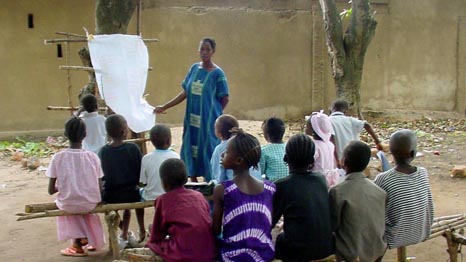
In many African countries, examinations are used as a basis for promotion to the next year. But does that lead to the victimisation or bullying of children who are being kept behind?
Does repeating a class give a pupil a wake-up call? Or does it make them feel like a failure?
If you have been made to repeat a year in school what impact did it have on you? If you are a teacher, how do you think the minister's action will affect education in the country?
If you would like to debate this topic LIVE on air on Wednesday 12 January at 1600 GMT, please include a telephone number. It will not be published.
Several people have died in Tunisia and Algeria in recent days following clashes with security forces over youth unemployment.
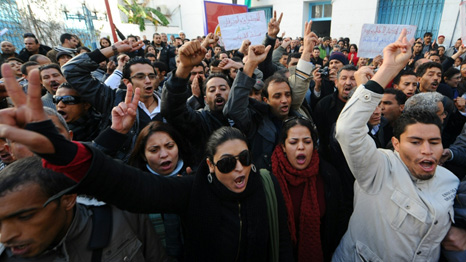
In Tunisia protesters attacked public buildings and police stations in frustration at the lack of jobs and rising food prices.
The level of violence is unusual in Tunisia given the tight controls aimed at preventing public dissent in the country. So why have things turned violent there now?
The increasingly youthful population in Sub-Saharan Africa also faces massive unemployment. What is being done by your government to address the problem? How do you think most unemployed youth in Africa keep busy?
Are you young and unemployed? If so, how do you cope? How can you use your time to maximise your job prospects?
If you would like to debate this topic LIVE on air on Tuesday 11 January at 1600 GMT, please include a telephone number. It will not be published.
Regular BBC Africa HYS listener Francis Kennedy Ocloo from Ghana says the church is taking too much money from its congregation. "Sometimes it is too embarrassing if you not able to contribute," he adds.
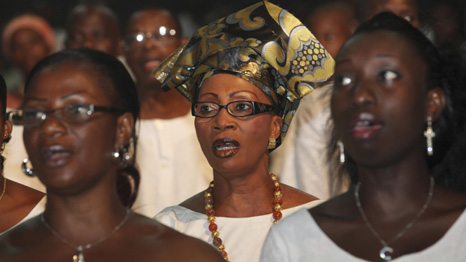
Does your church expect too much from you financially? Does the way collections are conducted put people under pressure? Does the pressure to contribute deter you from attending?
How much do you know about how the funds are spent?
If you are from another faith group, are you faced with similar issues?
If you would like to debate this topic LIVE on air on Thursday 6th January at 1600 GMT, please include a telephone number. It will not be published.
Sudan, Africa's largest country, is on the brink of history. 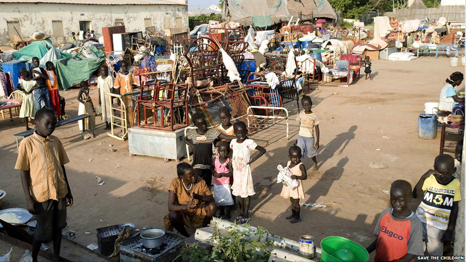
On 9 January, southeners go to the polls to vote in a referendum which could lead to separation and the creation of an independent state in the south.
The run-up to the vote has been uncertain with accusations of intimidation, ethnic tensions and talk of war.
As the country hovers between apprehension and anticipation, is Sudan ready for its moment of history? What can it learn from the Eritrea's separation from Ethiopia? What's the significance of the referendum to Africa?
If you would like to debate this topic LIVE on air on Wednesday 5 January at 1600 GMT, please include a telephone number. It will not be published.
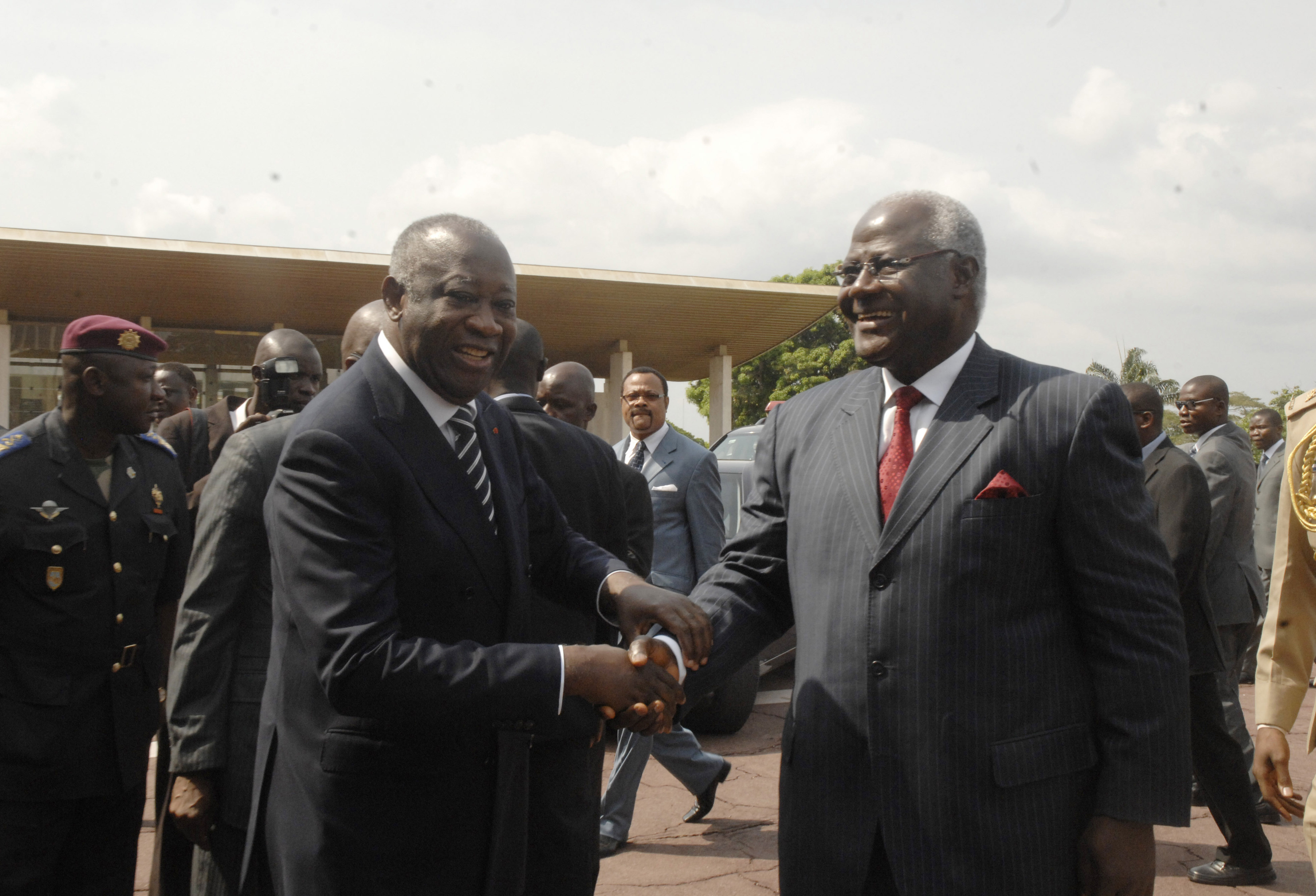
African leaders are offering amnesty to Ivory Coast's incumbent president Laurent Gbagbo following November's disputed elections.
Despite almost universal criticism, Mr Gbagbo is still refusing to step down as president.
The UN says some 200 people have been killed or have disappeared in politically motivated violence in the past month.
The African Union has suspended Ivory Coast from the organisation until opposition candidate Alassane Ouattara "takes over" from Mr Gbagbo.
West African regional bloc Ecowas has warned that it is ready to use "legitimate force" if President Gbagbo refuses to stand aside.
Should the AU support Ecowas and become more vocal about potential military action? Can West Africa countries resolve the standoff in Ivory Coast?