Children on camera: Taking care of the kids in factual TV
Cathy Loughran
is an editor of the BBC Academy blog
If you’ve laughed, cried, marvelled, winced or been left open-mouthed by the revelations of factual TV featuring children, you’ll understand why the genre is increasingly in demand from channel commissioners.
Watchable, yes, but making compelling documentaries that have under-18s as main contributors is about as far from child’s play as programme-making gets.
That was certainly the impression left on an audience at BAFTA this week by an experienced panel of execs and producers who’d gathered to give a masterclass on putting children on camera.
Emma Loach, executive producer with Dragonfly TV (Ambulance, Inside Birmingham Children’s Hospital); Richard Marson, exec with Twofour (Our School, I Know What You Weighed Last Summer); Kez Margrie, CBBC’s independents exec and commissioner of factual/factual entertainment formats (Operation Ouch!, My Life); and Nicola Brown, freelance series producer/director (The Secret Life of 4, 5 and 6 Year Olds, Educating Cardiff) were joined by session chair Joe Godwin, a former director of BBC children’s output who now heads the BBC Academy and BBC Midlands.
They touched on statutory and best practice requirements for any broadcaster working with young people, including child protection policy, informed consent, licensing by local authorities and chaperoning – much of which is covered, for BBC programme makers, in the BBC’s guidance on working with children.
But it was the producers’ own experience of gaining trust, ‘casting’ main characters, managing contributor expectations and the all-important ‘after care’ of their young subjects that provided the real insights into the craft and ethics involved.
Access and building trust
To develop her new Channel 4 film A Killing in My Family (airing end of November), about children who’ve lost relatives to murder or manslaughter, Emma Loach entered into “a two-year conversation” - first with broadcasters seeking an “innovative” idea and with a specialist bereavement charity and then eventually with families being helped.
The team talked to families “very gently” about the film over a period of months, before getting access to record with fixed-rig cameras at a therapy weekend for the bereaved children.
“There were about 16 families. We thought we’d get three or four to sign up, but we ended up with nearly all of them agreeing,” she said. “They wanted their voices heard… for people to see the devastation caused by murder and manslaughter.”
Now into his third fly-on-the-wall series of Our School for CBBC, where remote cameras are again recording year 7 students over their first year at secondary school, Richard Marson is aware of how fragile a long term relationship with contributors can be.
“Even when the head decides this is a project for us, teachers don’t necessarily feel the same. They fluctuate in terms of what you’re trying to do and you get a variety of responses.”
This time around, none of the dinner ladies would appear on camera and in series two, one teacher “marched off the premises in week one”, he revealed.
His antidote? “We created a regular weekly drop-in where staff could come and tell us their feelings. They’re under incredible pressure, and we’re just one more.”
Casting
For CBBC’s long-running My Life, independent producers find the children whose stories the series will tell, said Kez Margrie, and it’s neither a quick nor easy process.
“The most compelling are the children that producers have really bonded with. It’s easy to pick kids who are very confident, but they don’t necessarily reflect the nation’s children. You want kids who will genuinely have something relevant to say to our audience.”
Nicola Brown agreed: “You just know when you’ve got someone special - not the most forward, more the girl next door, or the boy who’s into trains. They have something that everyone can relate to. Audiences are strangely nostalgic about children who remind them of their past.”
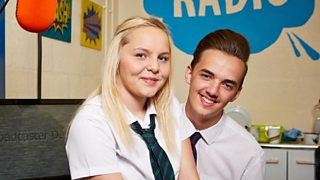
During filming at Willows High School for Educating Cardiff (above), a fight broke out between two fifth year boys in the canteen: “They went from the fringes of the documentary to becoming main characters. So there, we retrospectively ‘cast’ them,” she said.
Conversations continued throughout the edit, building trust with the boys and their families before full consent was gained once the team had cut the story.
What makes the cut?
Had the panel ever filmed young contributors for a long time and then decided not to use them, Joe Godwin asked, knowing that the answer would inevitably be ‘yes’.
“It happens, but the children are part of that process,” Marson said. “You need to be honest… have conversations with schools, parents beforehand, but never just cut a kid out [without warning].”
Some editing decisions can be made early on and producers “can take risks if there are enough children in the mix”: “But it’s not X Factor, you’re not looking for ‘stars’.”
Over long relationships, children often “choose themselves”, Loach explained, while others “find being filmed too difficult or find it hard to verbalise what’s happening”: “It’s quite an organic process.”
When contributors are filmed for hours and the programme uses just minutes, or no footage at all, managing expectations can be hard enough with adults, let alone children, she said.
A Killing in My Family was particularly tough: “We had permission to film about 15 kids. Inevitably in the edit we had to concentrate on a fewer number.
“But it had been important for all of them to be involved, so director Kirsty Cunningham made individual short films of all the contributors, backed by music of their choice - even when it was possibly somewhat inappropriate, like Little Mix!”
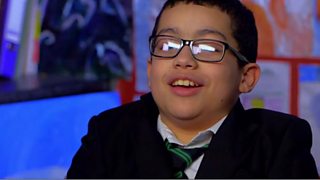
The BAFTA audience was shown a clip from Our School in which a disruptive but endearing pupil called Izaak (above) is filmed in tears in a ‘confidential’ session with the school’s youth worker.
Aware that, at some later stage in his life, Izaak might not want that shown, keeping the segment in had been a difficult call: “If Izaak had really hated it we wouldn’t have used it. But he was joyous, he said ‘I do get really upset… it’s how I am’.
What happens when a contributor has a change of heart?
“You have to expect they might change their minds,” said Joe Godwin. “It’s certainly happened to me… including a repeat transmission where a contributor was unhappy and so we took an episode out of the series.”
During the editing process, all contributors can feel abandoned, Loach said: “So we think it’s important to stay in touch. We ring them and say what we’re cutting and what we’re keeping in so there’ll be no surprises when they watch the final film.”
The night before an episode of I Know What You Weighed Last Summer was due to transmit, the father of a featured child rang the general BBC number and said he didn’t want the programme to go out.
“I got on the phone to the dad and in the end, it was resolved,” Marson recalled. If it hadn’t been, we wouldn’t have shown it. They may have legally signed a consent form, but it’s just a piece of paper, after all.”
After care
Kez Margrie: “These children are filmed at one point in their lives. They’re going to change enormously. With My Life, for instance, it’s down to the independent producer to maintain the relationship.” It’s a process that can go on for years, she said, and contributors should know how they can contact producers, long after the show’s gone out.
Emma Loach: “We leave [contributors] with a letter - a complete narrative of what’s been made, who we are, what we’ve done, what we thought, that they can comment on. So they always have a record of the process and can be in touch.”
Richard Marson: “Because things live online, you need to keep up the relationship. I find it extraordinary how trusting people are. You have to be mindful of that. They’re unguarded.”
Good for kids, or good for TV?
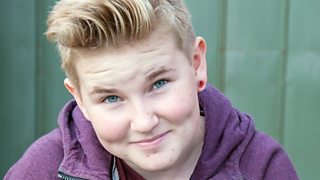
A clip was shown from I am Leo, an award-winning My Life film about a transgender teenager. In a self-shot video that Leo (above) made later, he describes making the programme as “the best thing in my life, ever”.
Leo’s experience aside, how do producers strike the balance, Godwin asked, between the value to the participant and the value to the programme?
“I think things have changed since YouTube,” Margrie said. “There is less naivety, more excitement about being featured. Kids might get bored filming but when they see [the finished programme], they’re mostly really positive. Leo, for instance, had a chance to speak about things that had been difficult for him.”
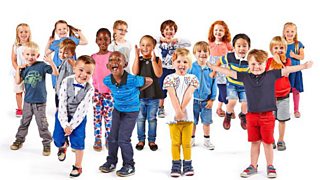
For Brown, it was a case of “how” the programme comes over. With series like The Secret Life of 4, 5 and 6 Year Olds (top image), “warmth” was important: “Our kids were seen dealing with adult themes like lying and morality. But small children approach these things with brutal and refreshing honesty… I never felt like the kids were too much ‘out there’.”
Having a child scientist on the team had also provided context and insight into the children's behaviour, she felt, making the series less about the children as individuals, and more about the experience of childhood itself.
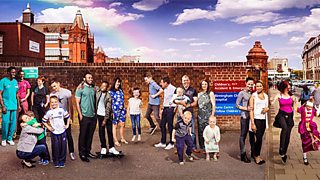
Channel 4's Inside Birmingham Children's Hospital
The rules
There were reminders about programme makers’ responsibilities when fixed rig cameras record words or actions that may be concerning. (Unless it’s a clear emergency, BBC safeguarding protocols require referral to the production’s child protection adviser/commissioning editor in the first instance.)
BBC guidelines also make clear that interaction with young contributors on social media is off limits. Panelists agreed that, while productions need their own social media presence, it was imperative to advise children appearing on camera on how to protect themselves on social networks.
“That’s tricky,” Margrie said. “Young children shouldn’t even be on social media, but they are. So we give advice on staying safe, because they will be looking for comments - and you don’t often get the nice stuff.” Her teams also give advice to parents, she said.
And in a business where the safety and wellbeing of the child has to take priority over all else, perhaps it wasn’t so surprising to hear a consensus from the creative panel that more, not less regulation, is better.
“Compliance is not a scary thing. The more regulations there are, the easier it is because everyone knows where they stand,” Margrie argued.
Good practice around working with children probably should be “more codified”, Loach agreed: “There should be lots of checks and balances in place. It’s about ownership by the children. They’ve invested massively in these films, which can be empowering if made in the right way.”
Working with Children at the BBC
