Personal tragedy taught me importance of sensitive ‘death knock’ reporting

Becky Garrod
Assistant producer, BBC Studios
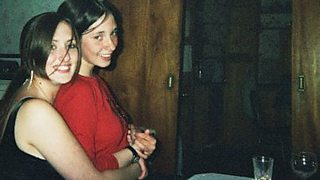
Becky Garrod (left) and her teenage sister Helen
The trauma of a death in her own family, and resulting media attention, made Becky Garrod determined to help other journalists approach and deal with grieving families in the most sensitive, least distressing way. Her research with the Samaritans and SAMM (Support after Murder and Manslaughter) produced the guidance given in three new BBC Academy films on working with the bereaved. Here she explains her motivation:
Like most journalists and programme-makers, from the start of my career in TV current affairs, I was expected to pick up the phone and make that most tricky of calls - to a bereaved family in the throes of loss. And like most of us, I always felt that I was being sensitive.
But when my own sister drowned while on holiday, aged 16, I suddenly found myself on the receiving end of media enquiries.
I felt the shock of an unexpected ‘death knock’; the dizzy spin back to the first moments of trauma each time I told our story; the spike of anger at the journalist who told my mother that she “knew how she must be feeling”.
I discovered how easy it is for members of the media to inadvertently make an already unbearable situation feel worse.
Helen’s death attracted only short-lived media focus. But the attention we did receive gave me a glimpse of what it might be like for families who live their grief in a ‘goldfish bowl’ for months or even years.
It left me with a commitment to try to ensure that here at the BBC, we do everything we can to make the experience of working with the BBC as easy as possible for bereaved families.
It is necessary and right that the BBC reports on death. And it’s inevitable that the type of death deemed newsworthy is usually sudden or traumatic in nature, leaving families in a state of severe trauma at the time when we are contacting them to share their stories.
These stories are often in the public interest and can have a positive impact, for instance in appealing for information about a crime, or in raising awareness of an issue related to the death. For the bereaved families, telling their story can be helpful or cathartic.
But equally, media attention can be uncomfortable and distressing for the relatives. And working with the bereaved poses challenges and can leave even experienced journalists and programme-makers feeling unsure of how to approach and build a relationship with their case studies.
Without having ‘been there’, it can be very difficult to understand what a grieving person is going through and to be aware of the ways in which we might inadvertently add to their trauma.
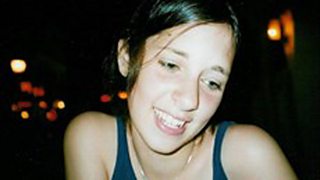
Helen's death, aged 16, led to Becky's research into working with the bereaved
In putting together these videos and tips about working with bereaved families, the BBC Academy worked with bereaved people, as well as experts from bereavement charities, to gain insights into the impact of traumatic bereavement, families’ experiences with the media - both positive and negative - and how we could improve the way we work.
From being mindful of language that could offend; to briefing people in the forgetful fog of grief even more thoroughly than usual; to simply remembering the simple words ‘I’m sorry for your loss’, I hope that what we have learned from this project will offer colleagues insights that will equip us with practical tools for working with the bereaved.
Sian Williams: Tips on working with the bereaved
Working with the bereaved: Sian Williams and Samaritans
Bereavement: Interviewing grieving families
The full Academy section on working with vulnerable contributors
Blog: Inaccuracy can do more harm than intrusion in ‘death knock’ reporting
Masterclass from Peter Allen on interviewing bereaved people (4.28 minutes in)
BBC editorial guidelines on reporting death, suffering and distress
